Lesson 3:

Load devices.
As explained before, loads are the electrical components that are able to transform the energy they receive from an electric current into another kind of energy (luminous, thermal, kinetic…).
Motors.
An electric motor is a component that transforms electric energy into kinetic energy, that is, into movement. Its electrical symbol is:

There is a great variety of different motors. Since the smallest ones, use to move small mechanisms, like in hair cutting machines, to the biggest ones, used fr example to move trains or elevators.
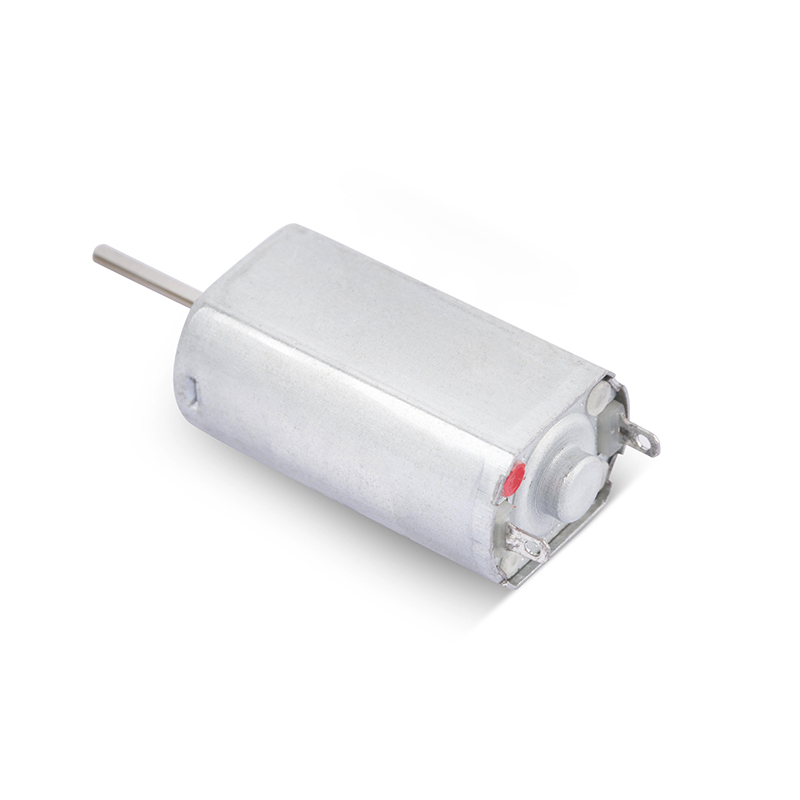
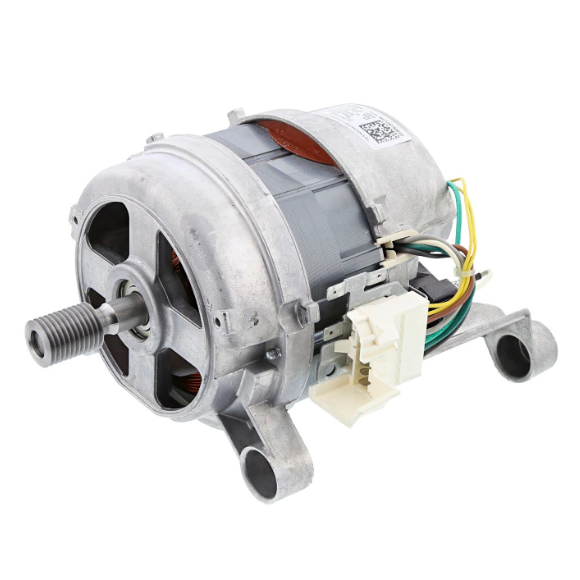
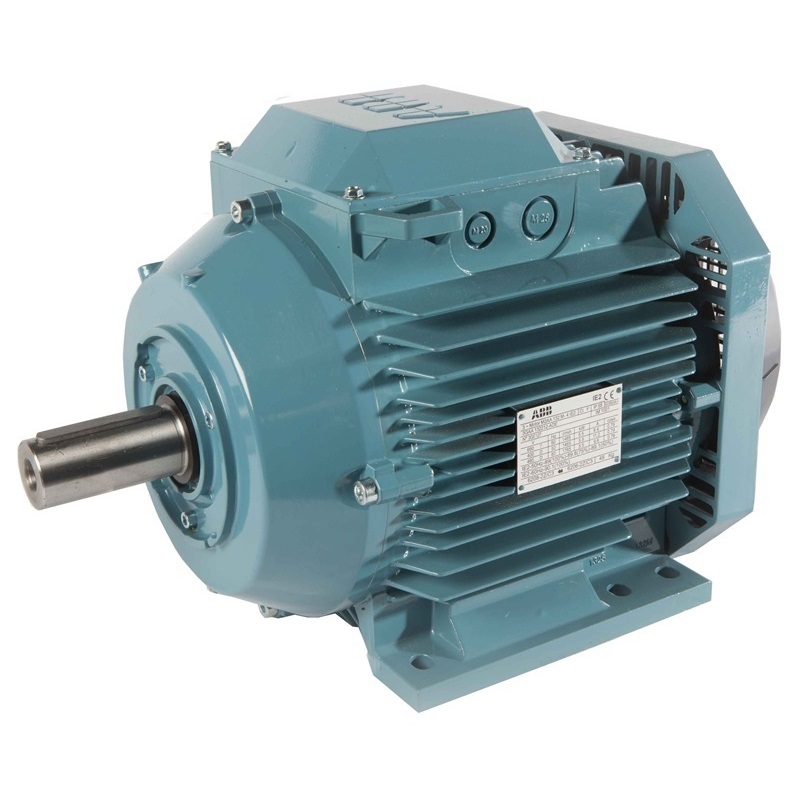
The motors of the image above generate a continuous rotatory movement. That means that their shaft rotates again and again while electric current flows through them. However, other types of electric motor exist that do not rotate in a continuous way but a certain angle. There are two models of motor that work this way:
- Servo motors: that are used, for instance, to power robotic arms that need to move at a high speed.

- Stepper motors: which are very precise, but are not able to move too fast, They are used, for example, to move the extruder of 3D printers.

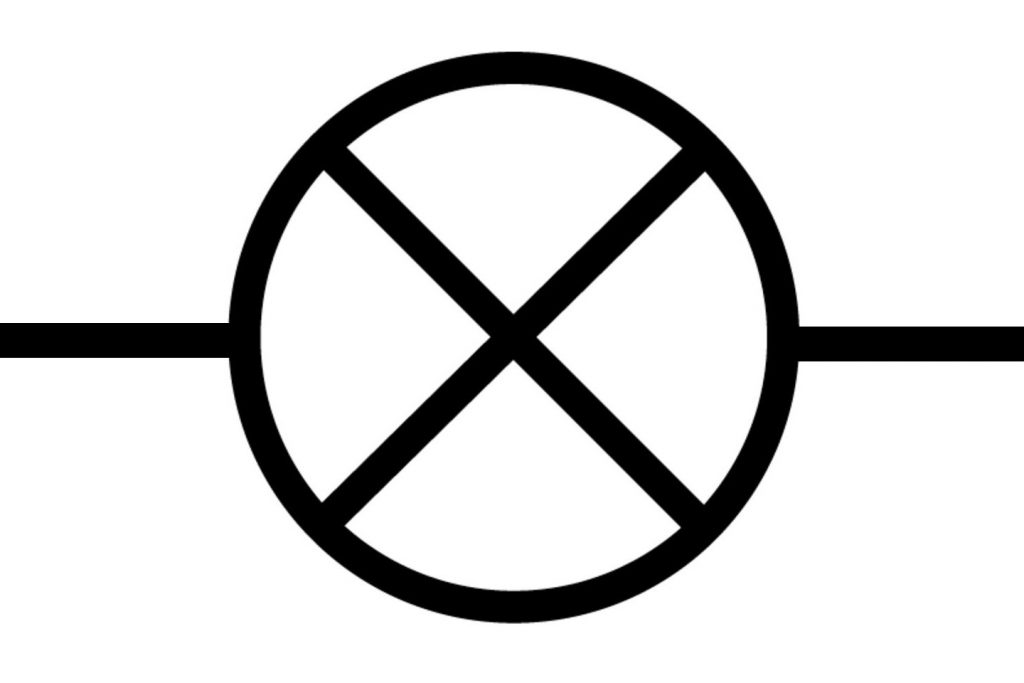
Bulbs/lamps.
A bulb is a component that transforms the electrical energy from an electric current into luminous energy, that is, into light.
Just as it happened with motors, we can find a great variety of bulbs. In this case we are going to study three different models:
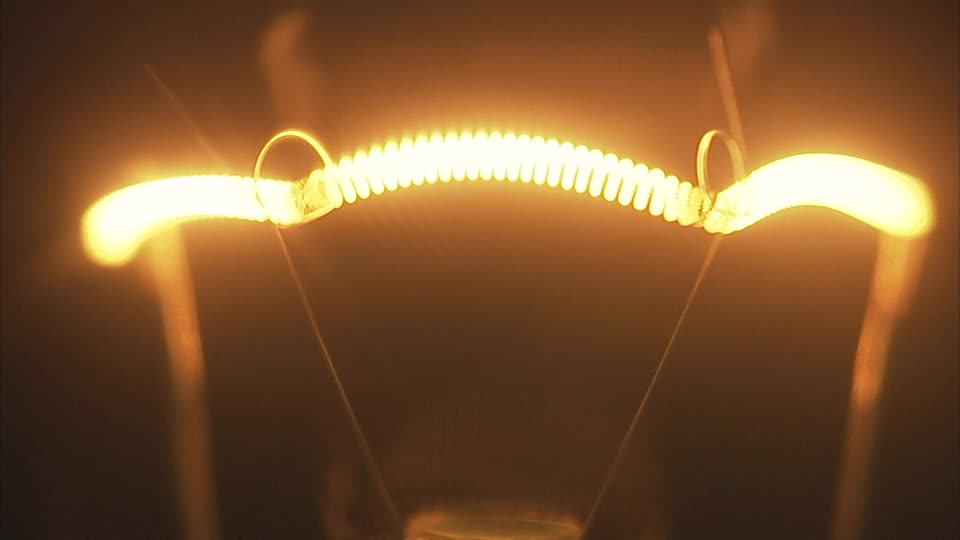
- Incandescent light bulbs: where the first ones to be invented more that 140 years ago. son las primeras que se inventaron (hace ya 140 años). Their working principle is quite simple, the main difficulty is finding the appropiate materials to manufacture them. In order to generate light, an electric current flows through a thin metallic filament (usually made of tungsten) that heats up to 2500 grades due to the effect of the current and starts emitting light. This kind of lamp transforms around an 80% of the electrical energy into heat (thermic energy) and 20% into light. This is the reason why their efficiency is so low.
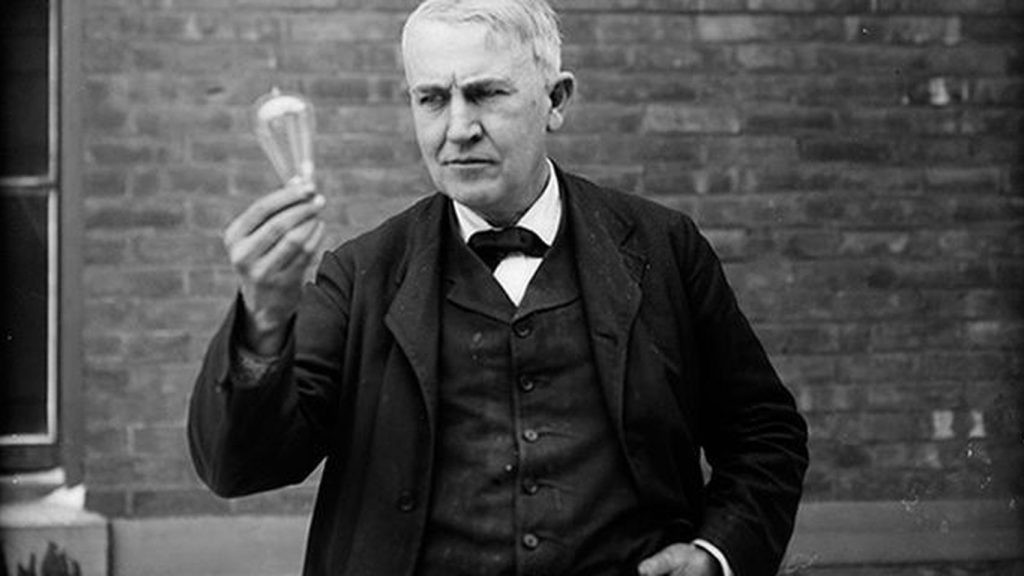
(Edison did not really invent the first bulb but created the first one that was durable and easy to manufacture)
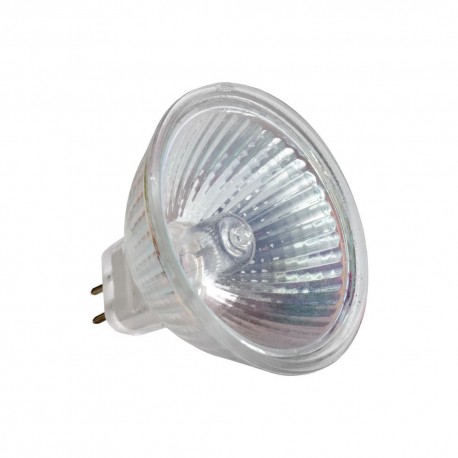
There is a variant of this kind of lamp called halogen lamp (image on the right), that are frequently used, for example, in bathrooms and corridors. Their working principle is just the same with the only difference that they are filled in with a particular gas, called halogen, that prevents the filament from wearing, which makes this kind of lamp more durable.

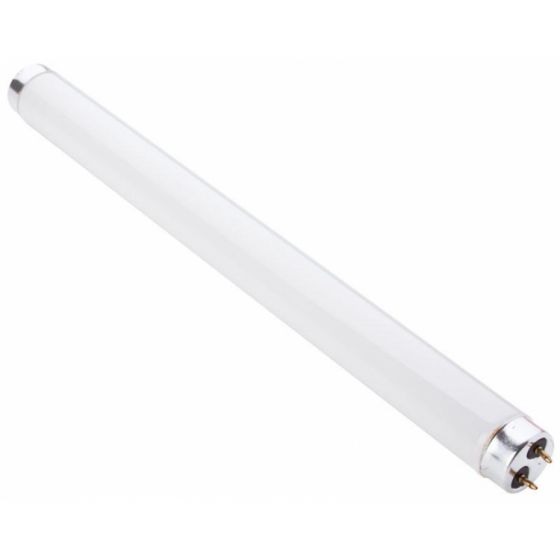
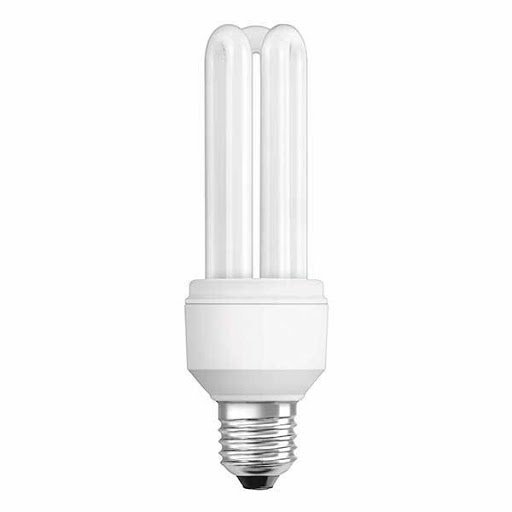
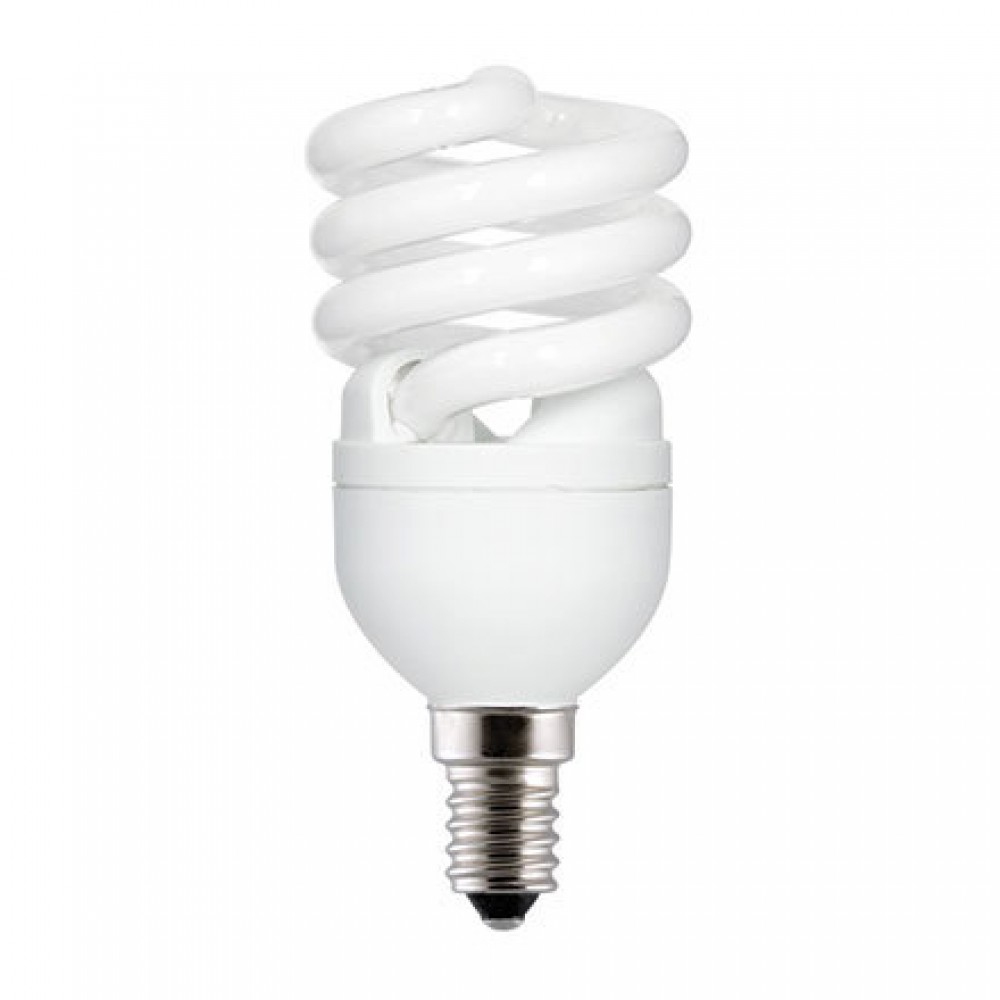
- Fluorescent lamps: in this case, the way to produce light is completely different from the previous models. Fluorescent lamps consist of a glass tube filled in with some gases (mercury vapor, neon…) that emit light when they are heated due to the flow of an electric current through them. In this case, there’s no metallic filament acting as a conductor, the electric current directly passes through the gases inside the tube. This kind of lamp is much more efficient than incandescent lamps and transform around 70-80% of the electric energy into light. All the lamps below are examples of fluorescent lamps:
- LED lamps: the last lamps to be developed have been lamps based on LEDs (Ligh Emitting Diodes). This electrical components are by far, the most efficient way to produce light from an electric current, and that’s the reason why, they’ve spread so much in the last years. In fact, the manufacturing of incandescent lamps was forbiden in Europe in 2012 because of their inefficiency. Apart from this, LED lamps have a longer lifespan and therefore are much more profitable. The electrical symbol of an LED is:
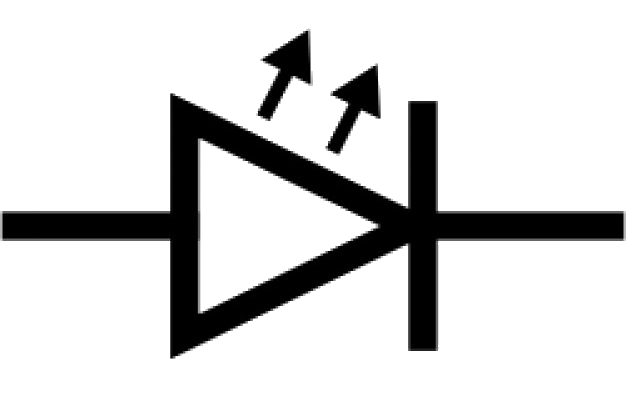
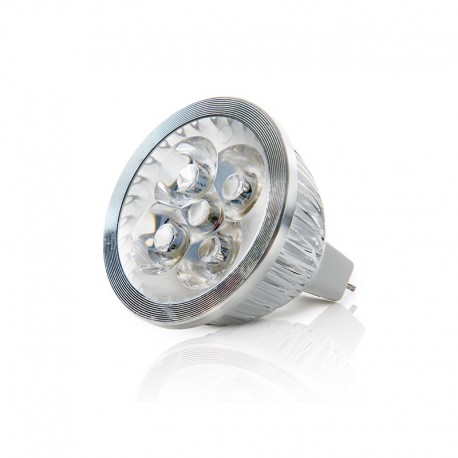
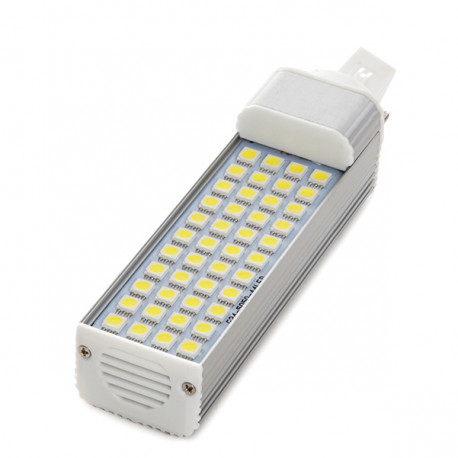
In the image on the left you can see an individual LED. In the other two images you can see two different models of lamps in which a certain amount of LEDs have been connected together to increase the light power:

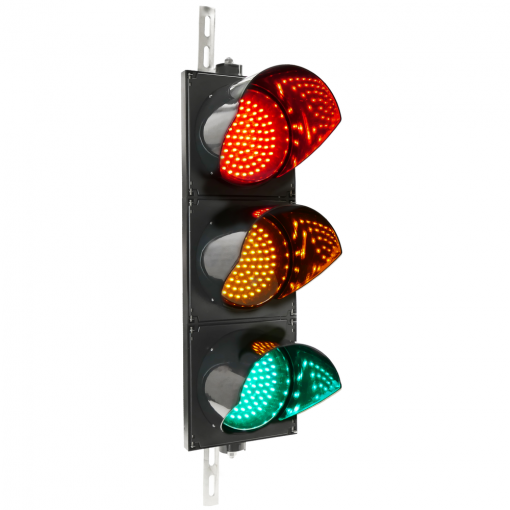
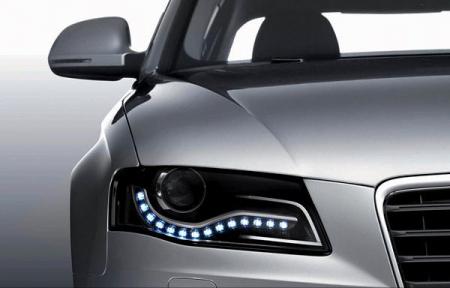
Este tipo de iluminación también se utiliza, por ejemplo, en semáforos y para los faros de los vehículos:
Buzzers
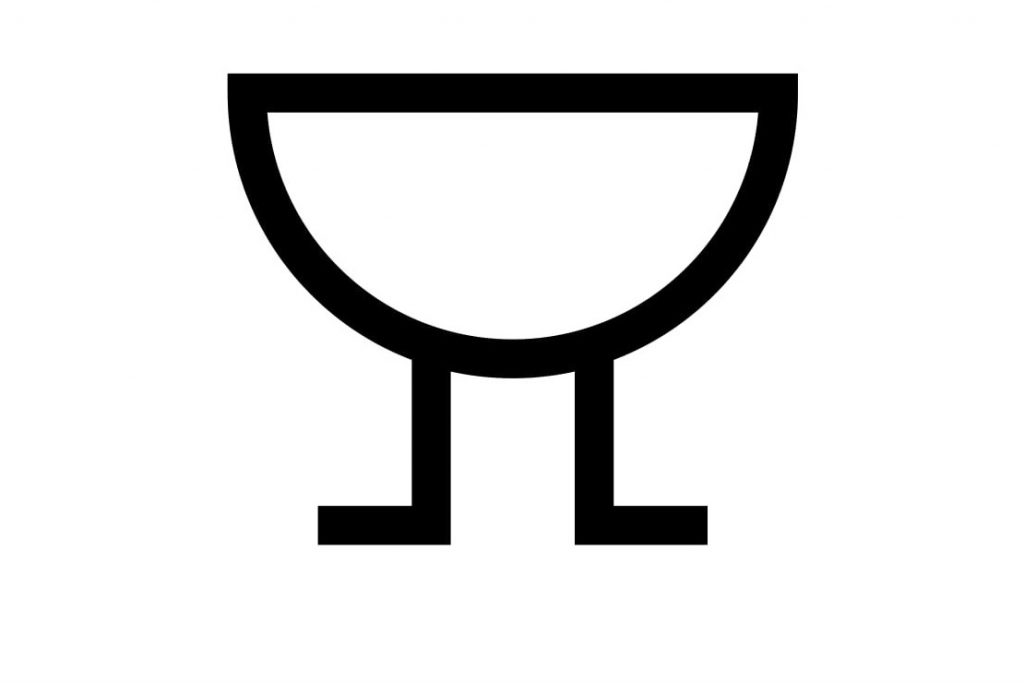
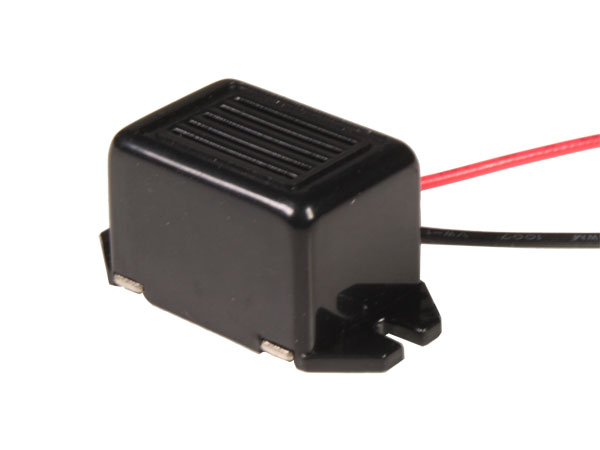
A buzzer is a component that transforms electric energy into sound energy. Its electrical symbol is:
They are used in all devices that need to emit some kind sound: alarm clocks, doorbells, smoke detector systems, anti-theft systems… Depending on the intensity of the sound needed different models are available:


Resistors.
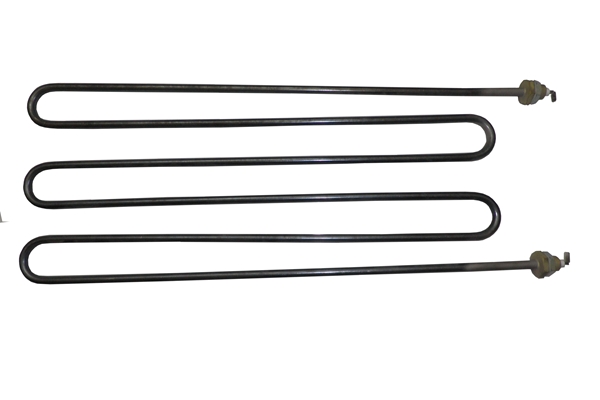
A resistor is a component that transforms electrical energy into thermic energy, that is into heat. its electrical symbol is:

They are used in those devices that need to provide heat: ovens (left image), ceramic hobs (middle image), toasters, coffee machines (right image), electric radiators… Below you can see different versions:


Important! There is a different type of resistor, that you will usually find in the technology workshop and in many electronic devicess, that has this appearance:

This is a little component that, in fact, also emits little amounts of heat when electric current flows through it. However, the purpose of this kind of resistors is not to generate heat, but to reduce the electric current that flows through a wire. Both effects, producing heat and reducing the electric current, are closely related. Resistors emit heat just because electrons find it very difficult to flow through them (the higher the resistance of the resistor the more difficult it is for them). That difficulty causes electrons to rub against each other what produces heat (something similar to what happens when you rub your hands).
Therefore, both types of resistor are very similar, but they are used with different purposes.