Lesson 2:

Types of components in a circuit.
Let’s start remembering some of the basic electrical components that we studied in 1st of ESO as well as another ones that probably you still do not know. You will need to learn their function (how each of them work), their electrical symbol and their physical appearance. But, before we are going to see how all the electrical components can be classified into three different groups according to its function in an electrical circuit.
- Sources: are those components that make electric current flow throught the circuit.
- Load devices: are those components that receive the energy from the electric current and transform it into another kind of energy.
- Control devices: are the components that allow to regulate how the electric current flows through the circuit.
Let’s see an example of this classification in a very simple circuit. Eventhough we still have not reviewed the components we studied last year you will probably remember the following three examples:
- Battery.
- Bulb.
- Switch.
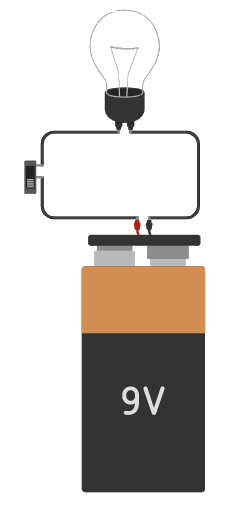
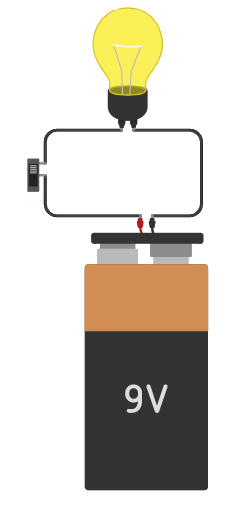
Would you know how to classify those three components?
– The battery is the component in charge of creating the electric current for the circuit, therefore it is a source.
– The bulb transforms the electrical energy from the current into another kind of energy (luminous energy, in this case), therefore it is a load device.
– Finally, the switch allows us to control whether the electric current passes or not through the bulb, therefore it is a control device.
However, electrical circuits consist of more than three components. Although they usually have a single source they often have several loads and control devices. The following circuit is another example:
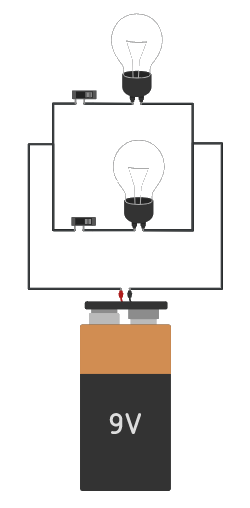
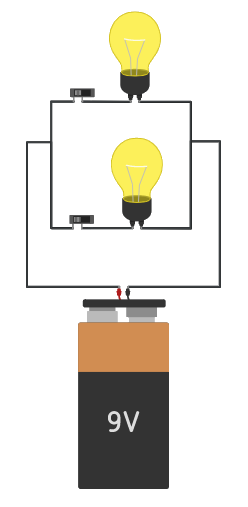
In this case, the circuit has just one source but two loads (two bulbs) and two control devices (two switches). As you can see, the fact that each bulb is controlled by a specific switch allows us to turn one on while the other remains off, or the opposite.
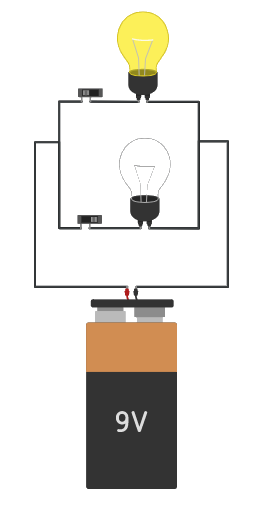
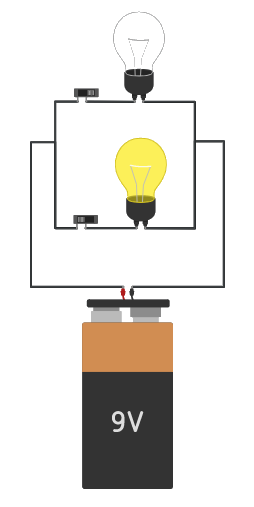
You can access the circuit through this link (remember you need to register in Tinkercad to play the simulation): https://www.tinkercad.com/things/7roalZmwcJE
Sources.
The most common sources that can be found in an electrical circuit are:
Batteries.
Batteries are the electric sources that we use the most in our daily life. They are used in plenty of devices suchs as: watches, remote controls, calculators, wireless keyboards and mouses… Two different electrical symbol are used to represent a battery:

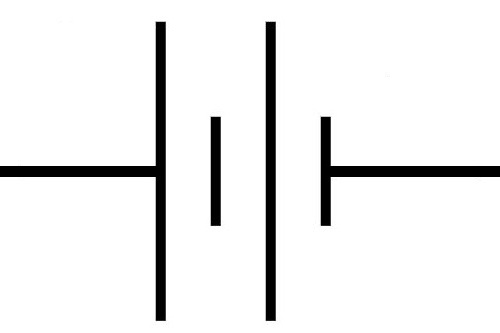
All batteries have a positive pole (+) and a negative pole (-), marked in the component itself. The electric current travels from the positive pole (represented with a long line in its electrical symbol) to the negative pole of the battery (short line).
As you alredy know there are different types of batteries:
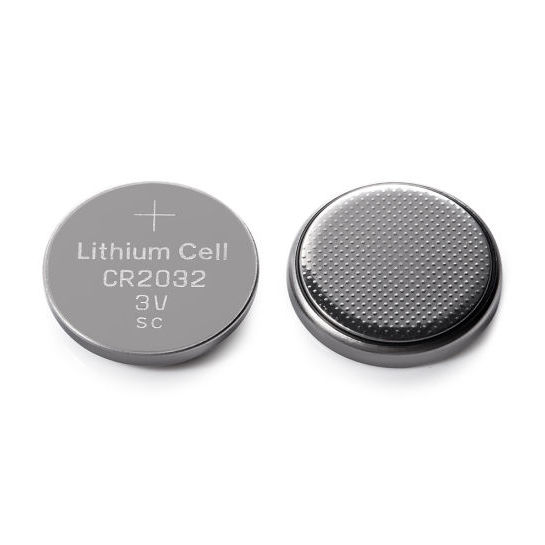
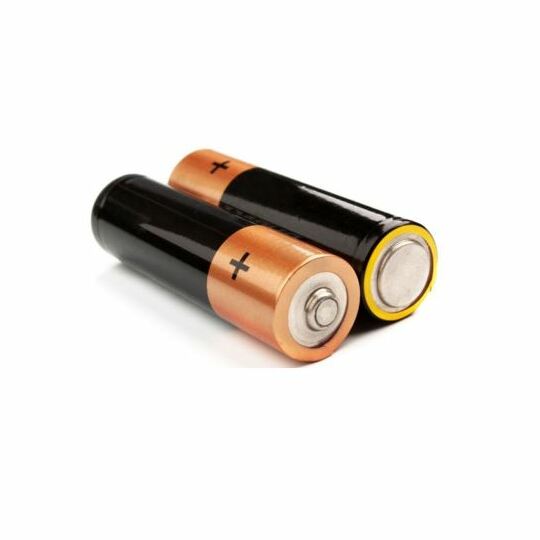
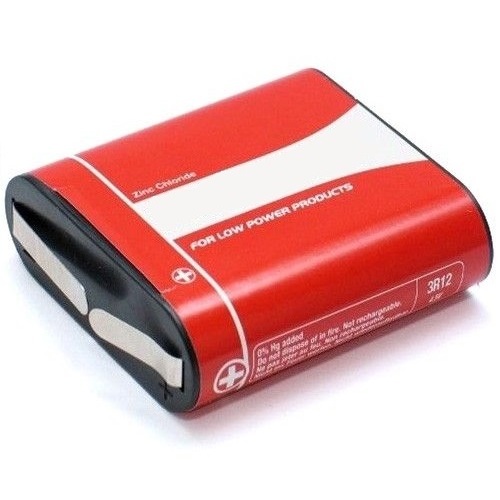

Depending on the amount of electric current needed for the electrical components of a circuit one battery or another will be used. For instance, for a wristwatch or a calculator, a single button battery is usually more than enough. However, for a remote control car or for an alarm clock bigger batteries are necessary.
Apart from these kinds of battery, some devices need specific batteries adapted to its requirements: maybe they need a specific voltage, they need to last longer, must have a specific shape… That is why you may find a great variety of batteries that are quite different from the ones we have seen before. Here are some examples:
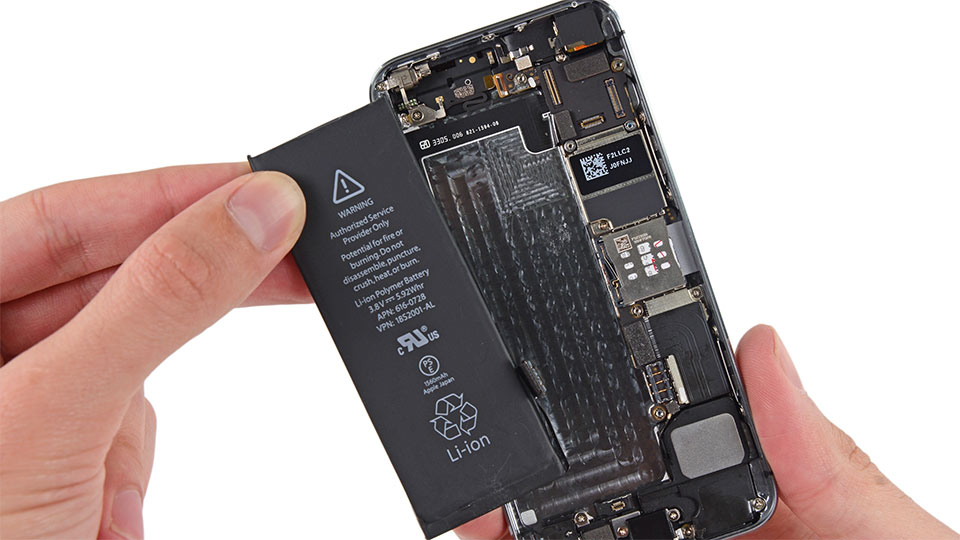
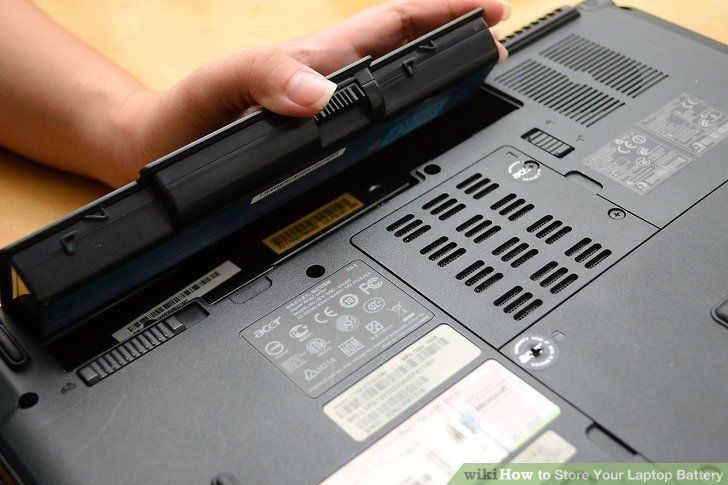
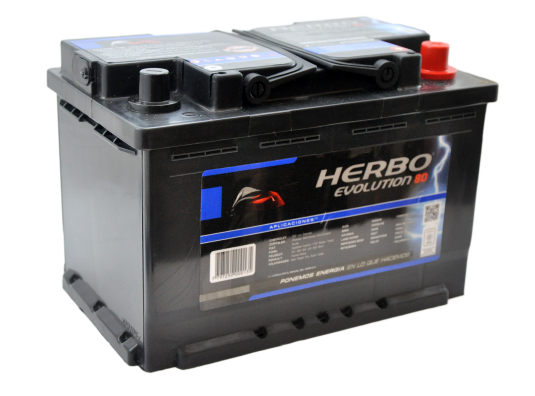
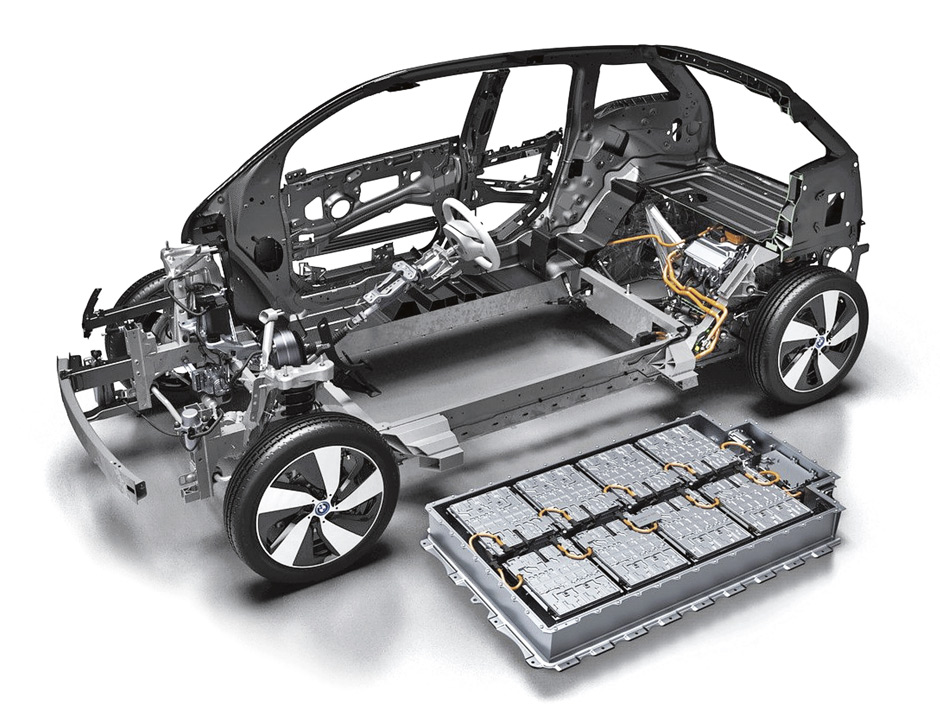
The car battery of the image above provides electric current for the headlights, the lifting system of the windows, the radio… That’s why all kind of vehicles need one. However, there is a specific case in which that kind of batteries are not enough: electric cars. In an electric car the battery must generate energy enough to move the whole vehicle, so much bigger batteries than the ones of a conventional car are needed. To develop longer lasting batteries for electric vehicles is one of the main purposes of technological companies and that is why a lot of resources are being invested in this field.
Power plants.
Batteries are the most widely used electrical sources, mainly in those devices that need to be moved and therefore can not be connected with a wire. But maybe you are asking yourself what happens with devices such as the television of your home, or with the home appliances of your kitchen, or with the lamps of your dining room… Where does the electricity that power those machines come from? The answer is from an electrical source, but which one?

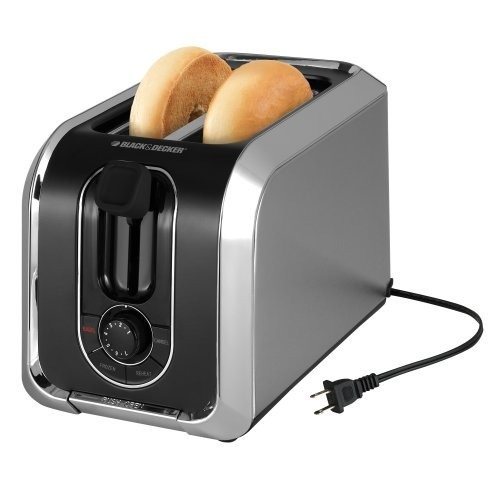

A quick answer could be from the sockets of your house. Those machines that can remain still in a certain location (washing machines, desktop computers, a fridge…) do not usually use batteries as electrical sources. On the contrary, they usually use the electric current provided by the electrical installation of the building by taking the electric current from a socket.
Important! In English, it is fundamental to make a difference between plug and socket. Remember that the plug is the part that is inserted into the socket:

However, the electric current that we can take from a socket must have been generated at some point. Actually, it is in the power plants where the electricity that reaches our homes is produced. Those installations are designed to generate electric currents from a different type of energy:
- The energy from the wind in a wind farm.
- The energy from water in a hydroelectric power plant.
- The energy from a nuclear fuel (usually uranium) in a nuclear power plant.
- The energy from the sun in a photovoltaic power plant.


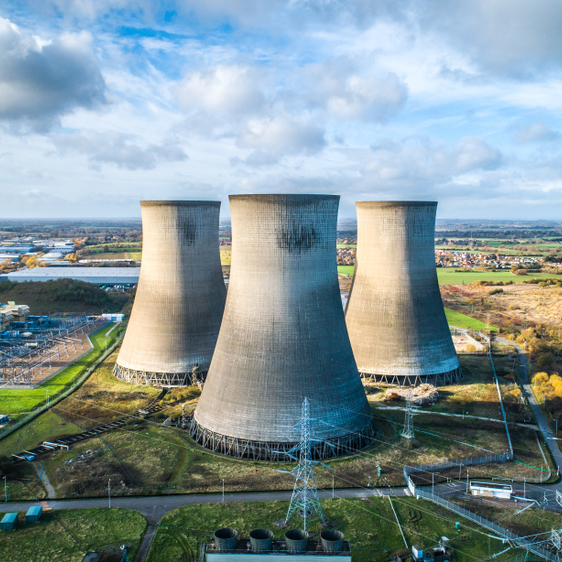

A power plant is, after all, a huge electrical source capable of producing large electric currents that are later transported to the nearby populations through th electrical networks. That is the electricity that we use when we connect any device to a socket at home, and the electricity used to power the trains, the undergrounds of our cities, the city lights, the elevators of our buildings…