Lesson 6:

Triangulated structures.
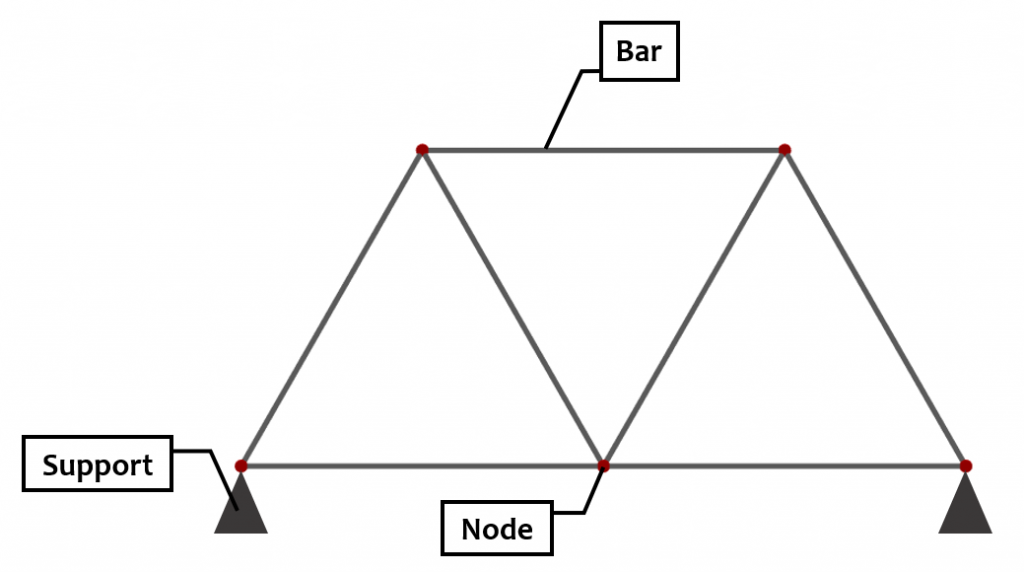
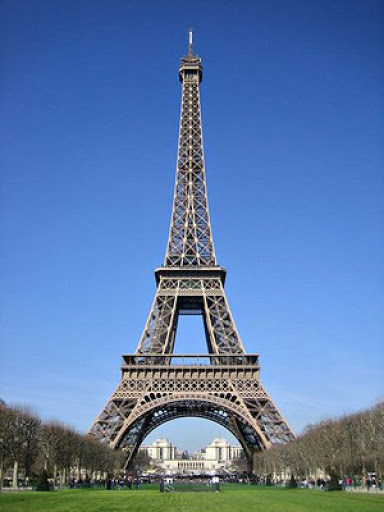
A triangulated structure is a structure made up of straight bars that are connected forming triangles. The points where two or more bars meet are called nodes and the elements where a triangulated structure is attached to the ground are known as supports. One of the best known examples of this type of structure is the Eiffel Tower in Paris, which was built between 1887 and 1889 for the 1889 Worlds’s Fair.
The reason why bars are connected in the shape triangles is that this is the simplest way to make a structure rigid and avoid deformations when external forces act on it (definition of structure). Notice how, in the following animation, the structure on the left, which is made up of two triangles, cannot be deformed by moving the red dot. On the contrary, the one on the right, which is a quadrilateral, can be deformed when moving the red dot, and the same would happen with any other polygon other than the triangle (pentagons, hexagons …):
In real life, most triangulated structures are three-dimensional, that is, they are not made of flat triangles, but of pyramids, whose faces are triangles. In the animation below you can see an example of a three-dimensional triangulated structure (you can rotate it by clicking with the right mouse button and dragging in any direction):
Triangulated structures are very commonly used because they allow creating rigid structures that are light at the same time because of the little material needed for its construction. This type of structure can be made of different materials, but the most widely used are:
- Steel: as it is the case of bridges, transmission towers, industrial buildings, cranes, scaffoldings…
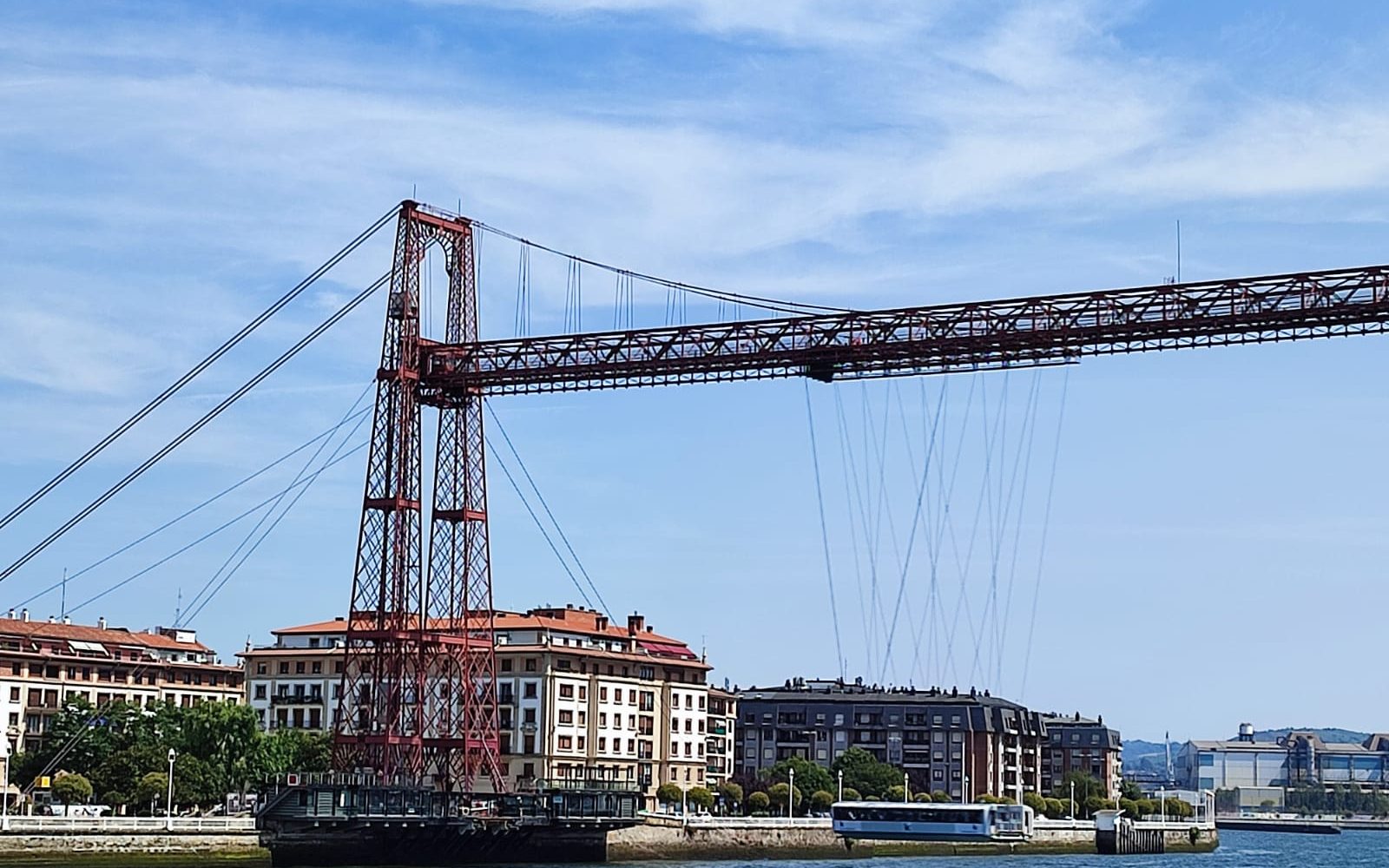
(Vizcaya Transporter Bridge, original image)
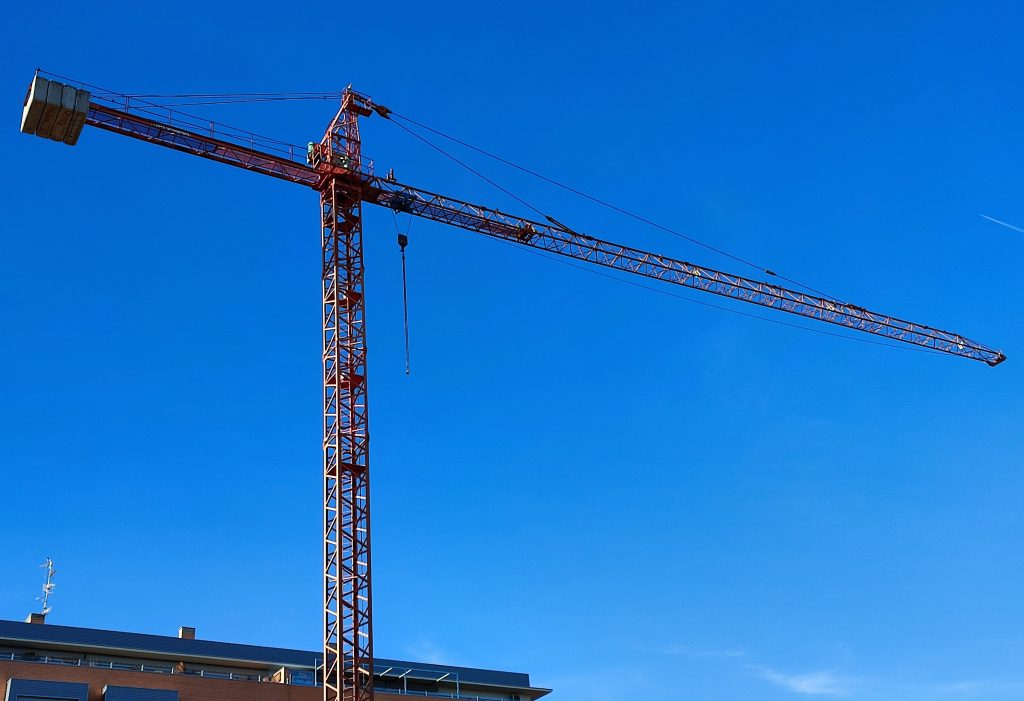
(Triangulated crane, original image)
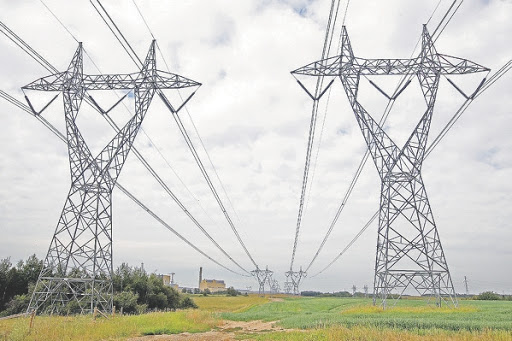
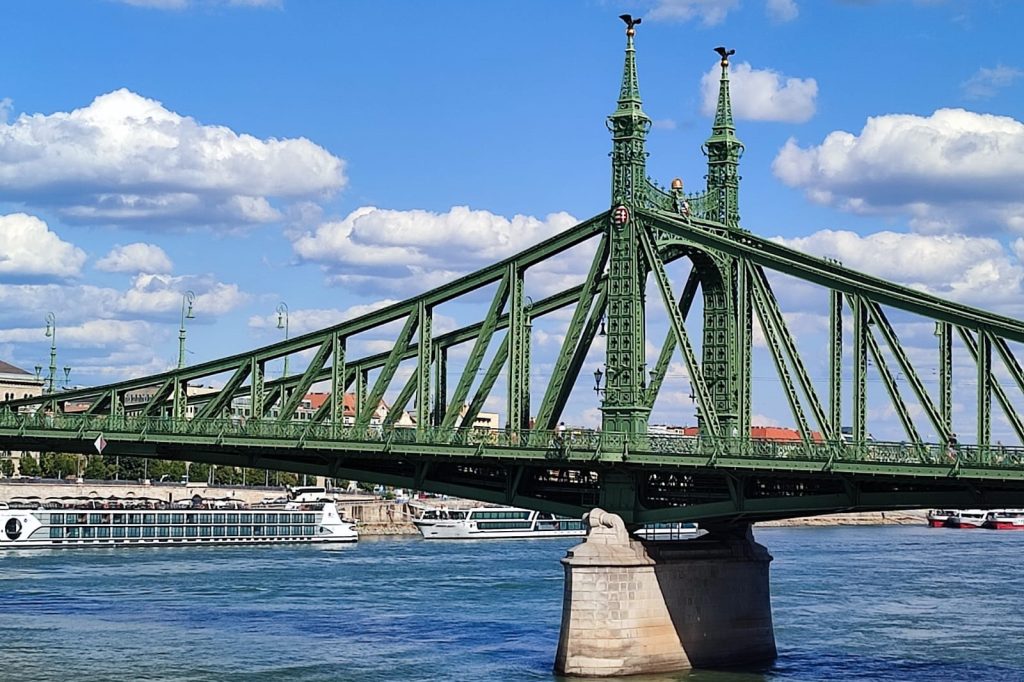
(Triangulated bridge, Liberty Bridge, Budapest, original image)
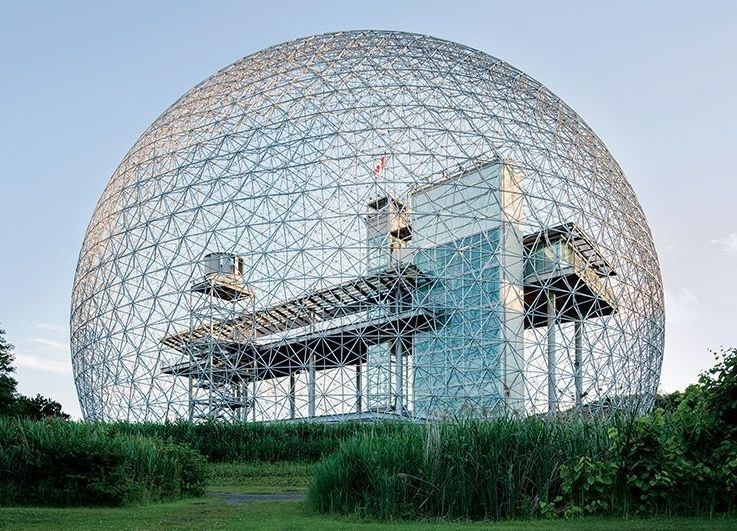
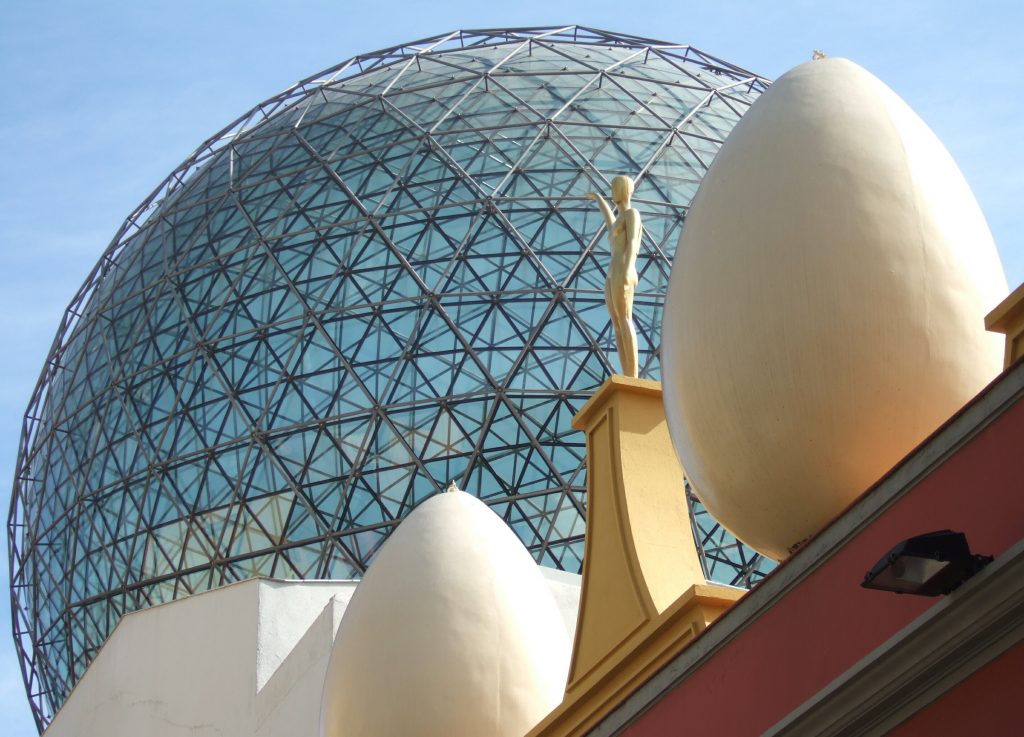
There is a very interesting application of triangulation: the construction of geodesic domes. These are spherical-shaped structures formed by a multitude of assembled triangles that can then be covered by sheets of glass or other material. Below you can see two examples: on the left, the dome designed by Richard Buckminster, the inventor of this type of structure, for the 1976 Montreal World’s Fair; and on the right the dome of the Dali Museum, in Figueras:
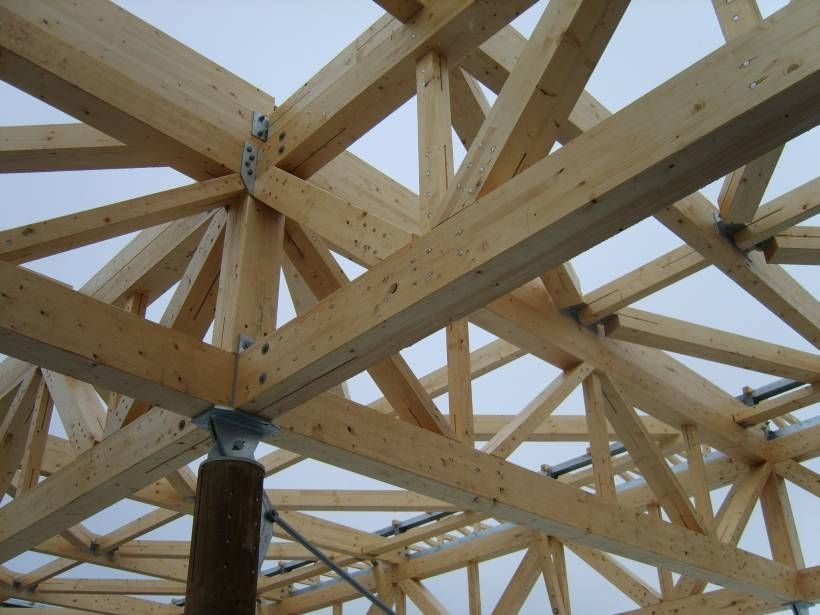
- Wood: mainly for the roof structure of some buildings.
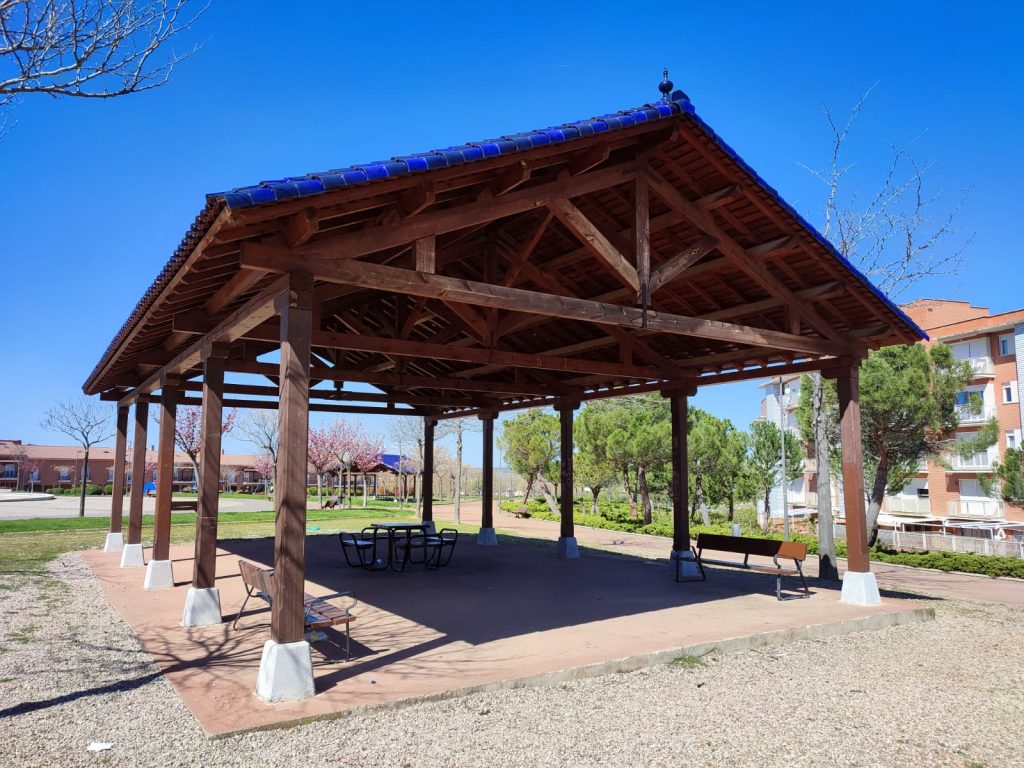
(Triangulated wooden structure, original image)