Lesson 8:

Relationship between stresses and deformations.
We have already seen that a force is an action that can cause an object to:
- Move (or change its speed).
- Deform.
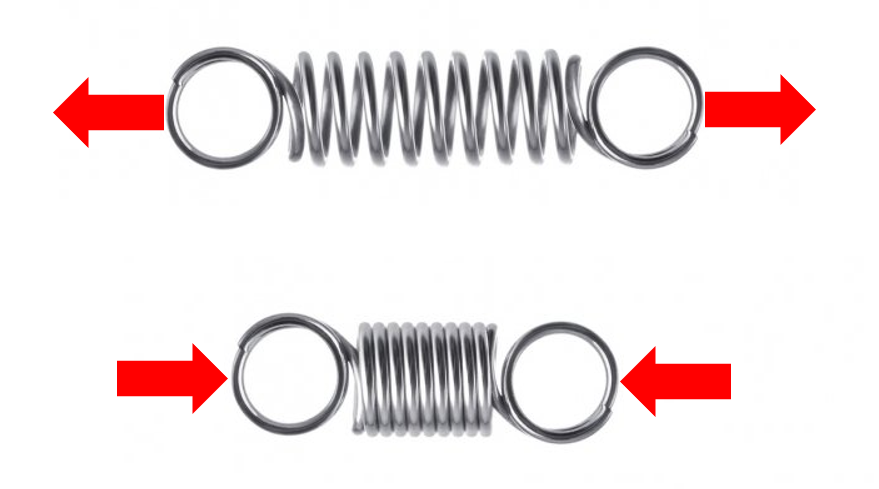
In this unit we are going to focus on analyzing how forces deform the objects around us. We are going to see how the same force can cause an object to deform in very different ways depending on the way it is applied. For example, in the spring below, if the force is applied outwards (up) it will lengthen, while the same force applied inwards (down) will cause the spring to shorten.
The different ways in which forces can be applied to deform a body are called stresses. There are six types of efforts that we are going to study:
You should also know that the greater the stresses to which a body is subjected, the greater its deformation will be. For example, in the case of the spring in the image above, the greater the force that is applied, the more it will lengthen or shorten.
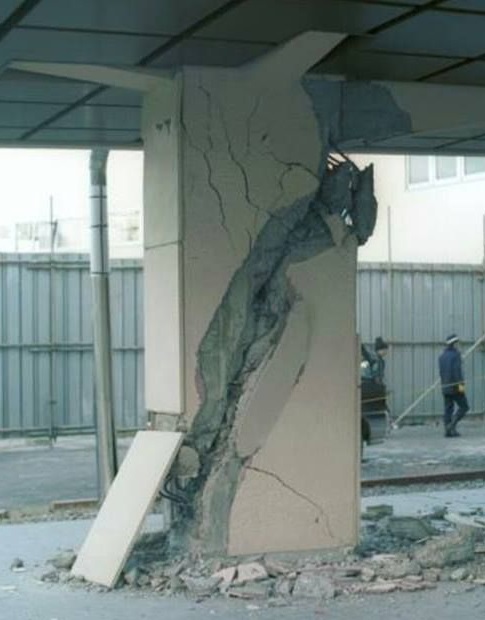
Knowing the different ways in which bodies are deformed is essential, for example, when designing a building or any other type of structure. Any element of a structure can resist a certain deformation, but if the deformation is too important, the structure will collapse (image on the left).
Imagine that the architect in charge of designing a block of flats decides to use columns that are too thin to support the entire weight of the building. In this case, it is very likely that the columns will collapse due to the weight of the building. There’s no doubt, it is a subject that must be taken into account and that is worth studying.
Compression stress.
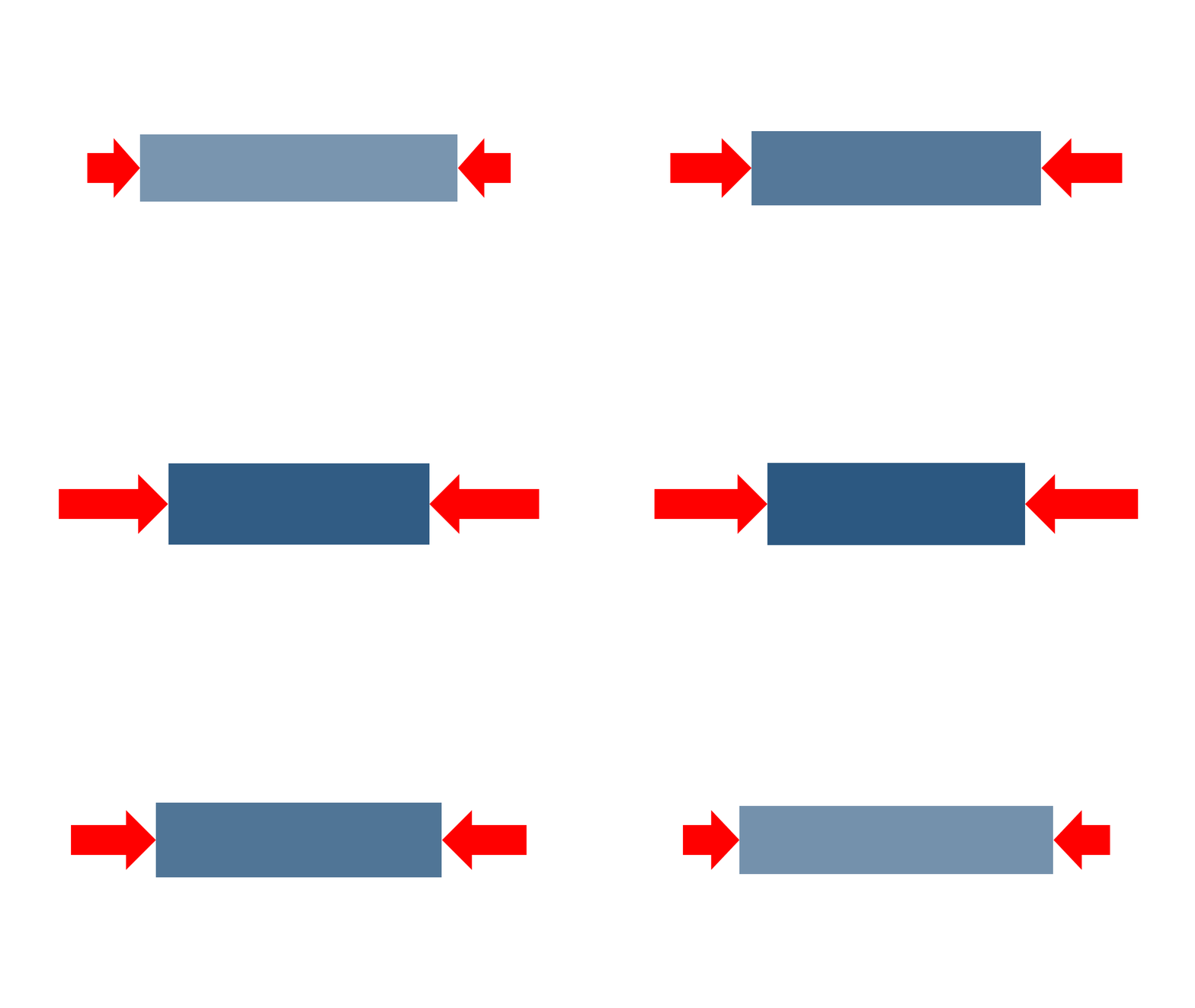
We say that a body is subjected to compression when forces act in such a way that they to shorten it. As you can see in the gif, at the same time that the element is shortened, it widens.
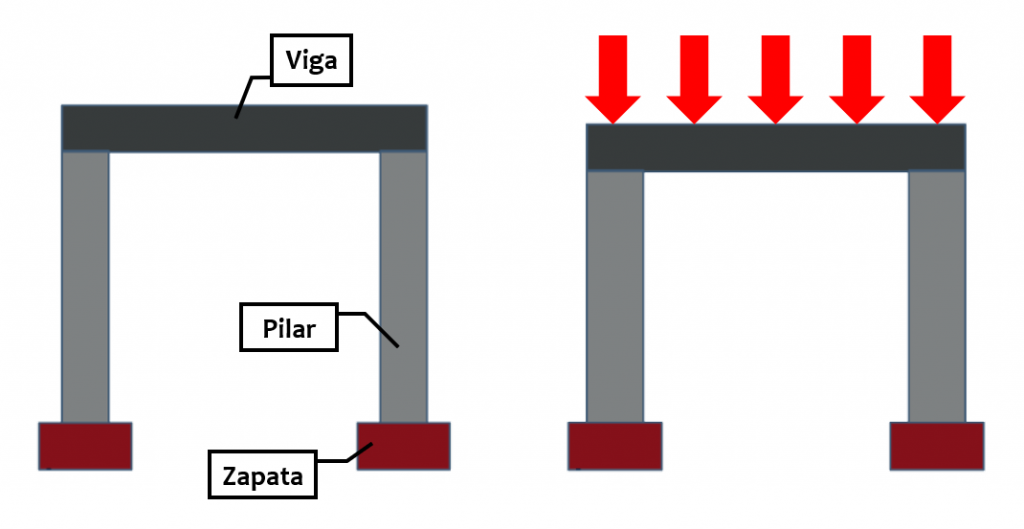
This type of stress to which the columns of a frame structure or the towers of a suspension bridge are subjected. In the image below you can see how when the pillars of a building bear some weight (image on the right) they shorten and widen a little. In fact, the pillars of the first floors of a building are the ones that hold the most weight, since they have many floors above, and therefore are the most important:
Tension stress.
We say that a body is subjected to tension when the forces acting on it lengthen it. Unlike the previous case, as the body lengthens it also gets thinner, as you can see below:
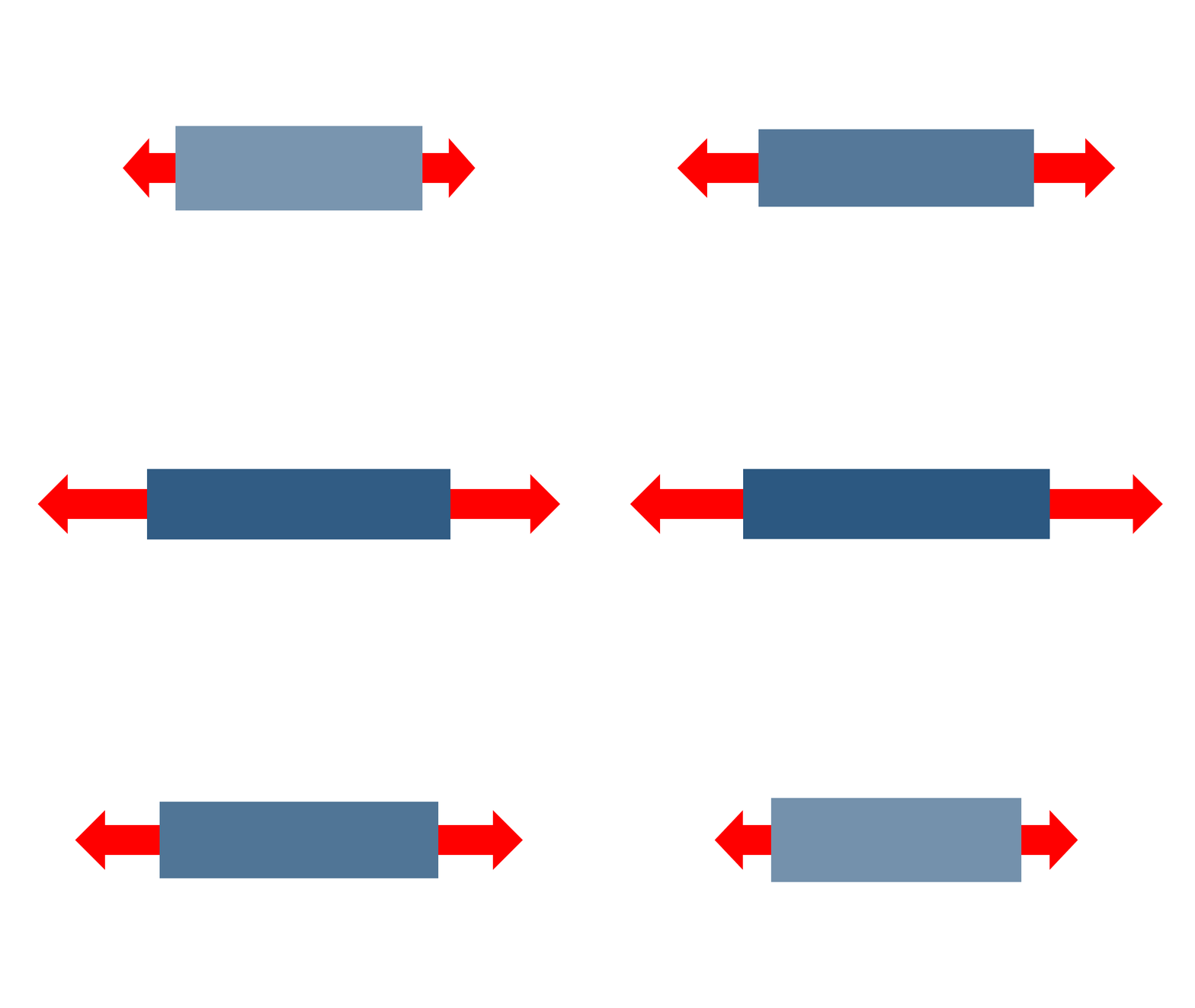
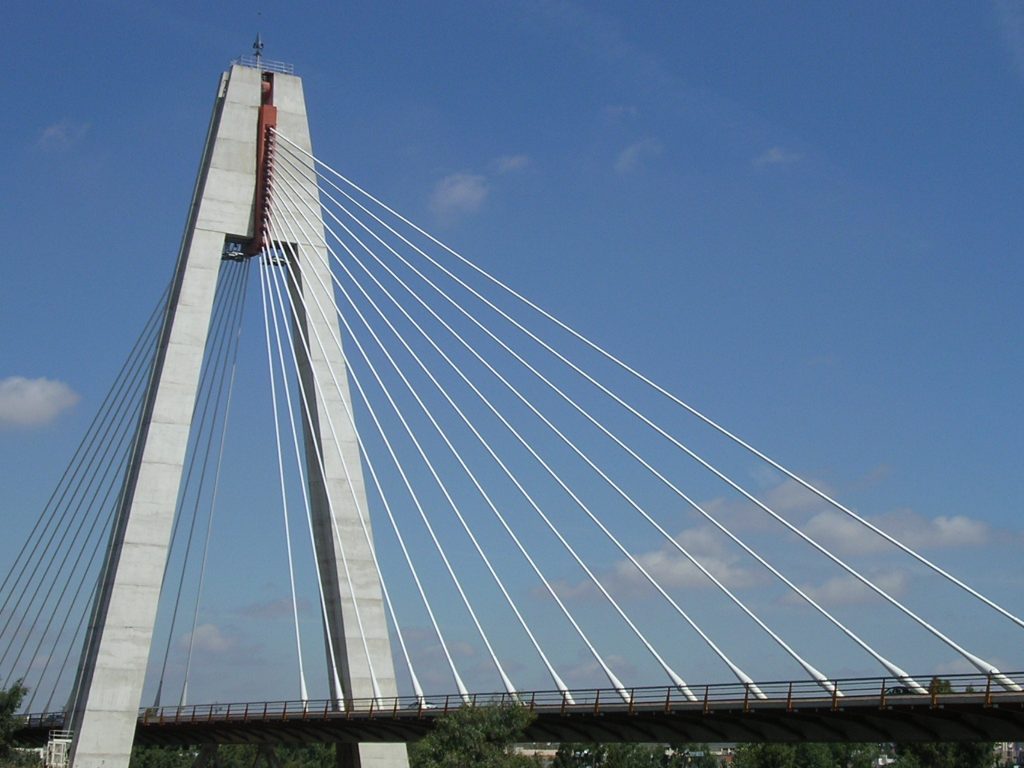
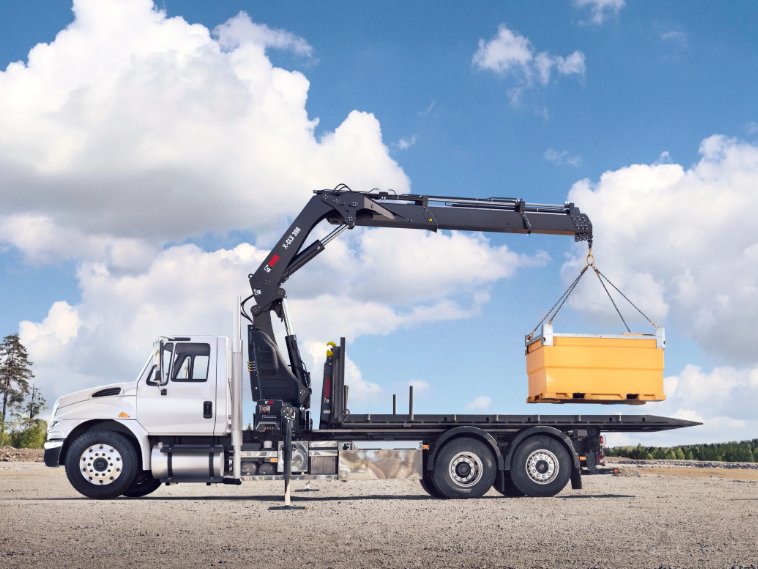
This is the type of stress to which the suspender cables of a suspension bridge are subjected. In that case, the deck of the bridge is hanging from the cables and therefore they become longer due to the weight. Another good example are the cables or chains from which the load of a crane hangs:
Bending stress.
We say that a body is subjected to bending when it bends due to a force that acts perpendicular to it, as you can see in the gif:
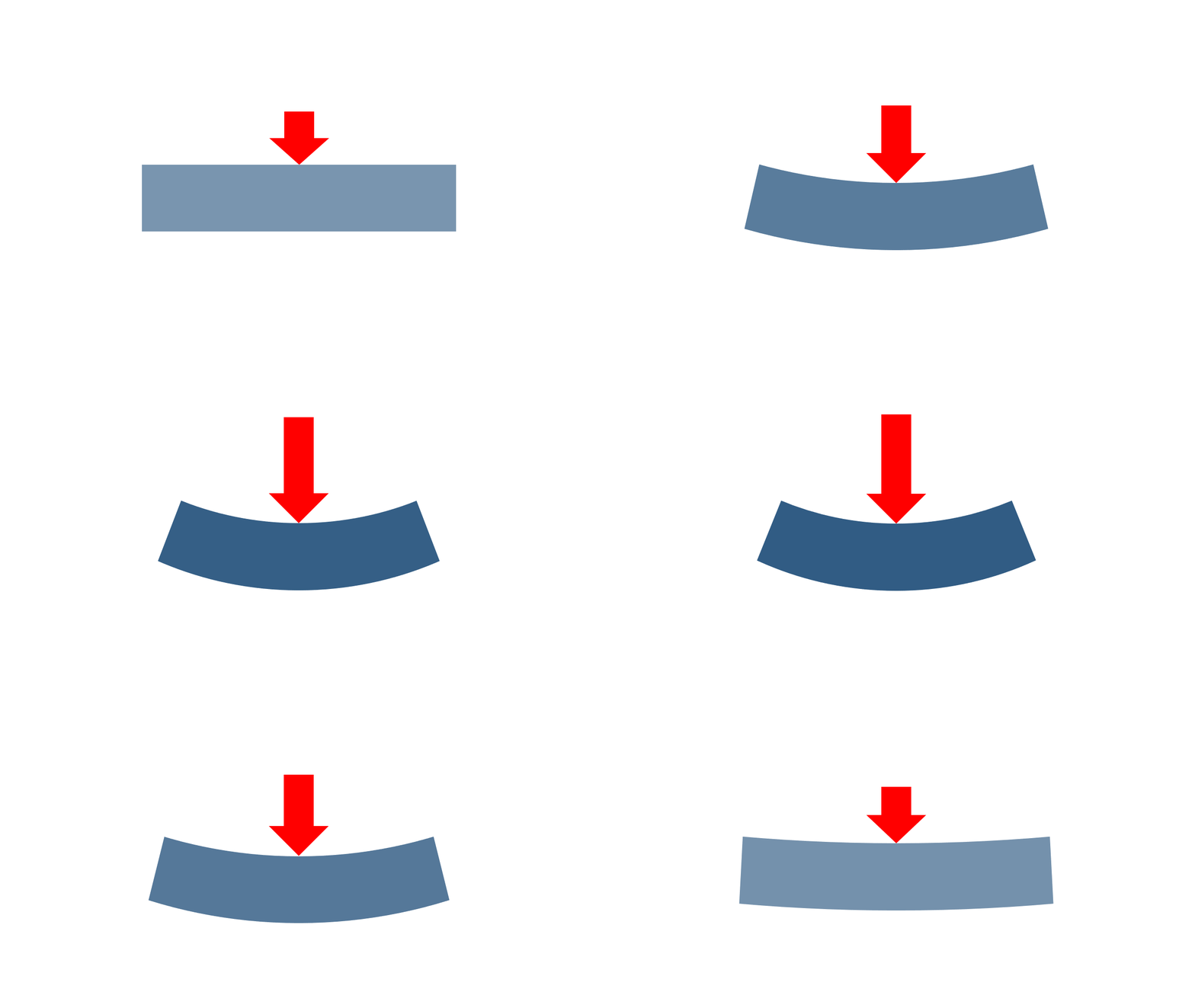
The most typical example of elements subjected to bending are the beams (or the joists) of a frame structure. Keep in mind that beams are placed horizontally between two columns and that they must support the weight of the upper floor. Therefore, although it cannot be seen with the naked eye, if we exaggerate the deformation of a beam, the result would be that of the image below:
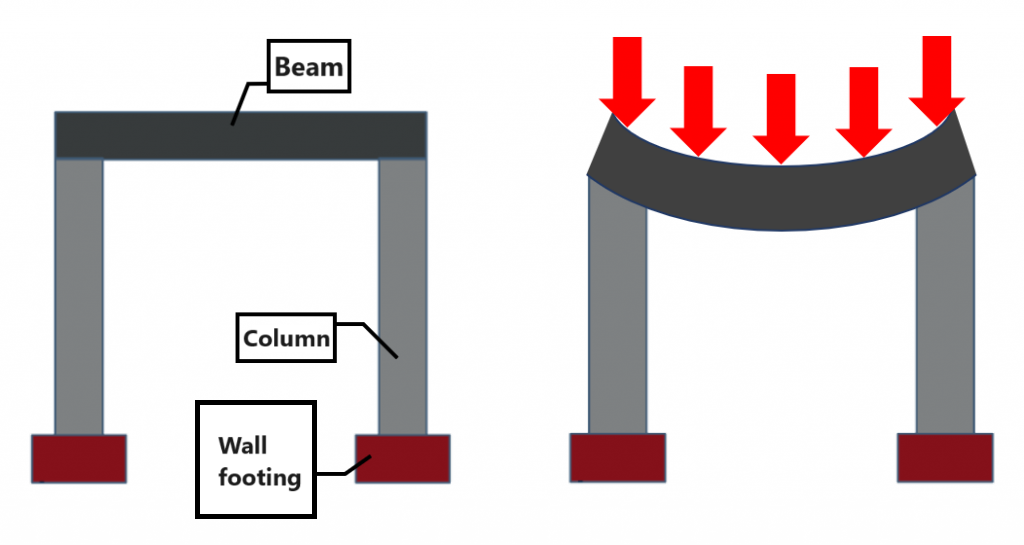
(Original image)
Torsion stress.
We say that a body is subjected to torsion when the forces acting on it make it twist:

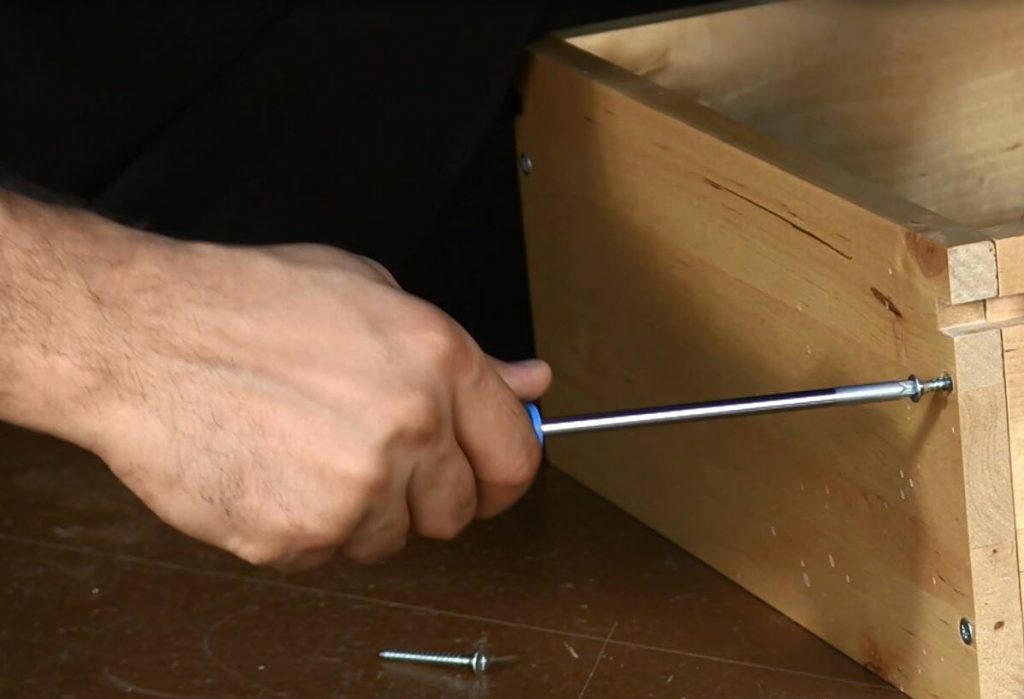
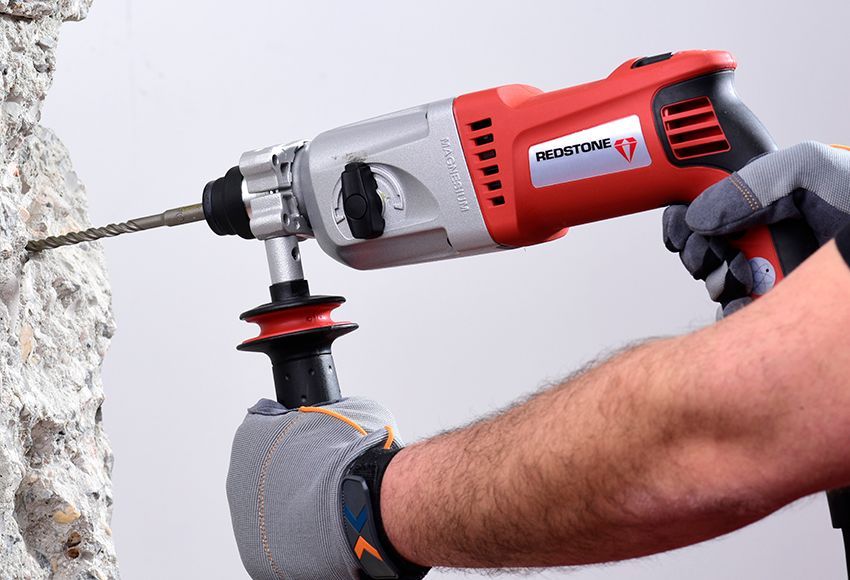
It is not common to find elements subjected to torsion in structures, but there are many objects that must resist this type of stress. Two good examples are screwdrivers and drillers:
Shear stress.
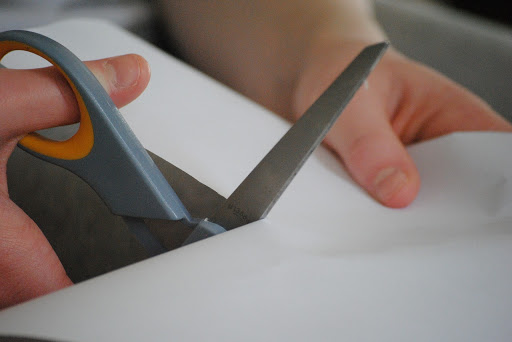
A body is subject to shear when the forces that act on it try to cut it into two parts:

A typical example is a sheet of paper being cut by scissors. In this case, each of the scissor blades exerts a force in one direction, one up and one down, causing the paper to cut into two pieces.
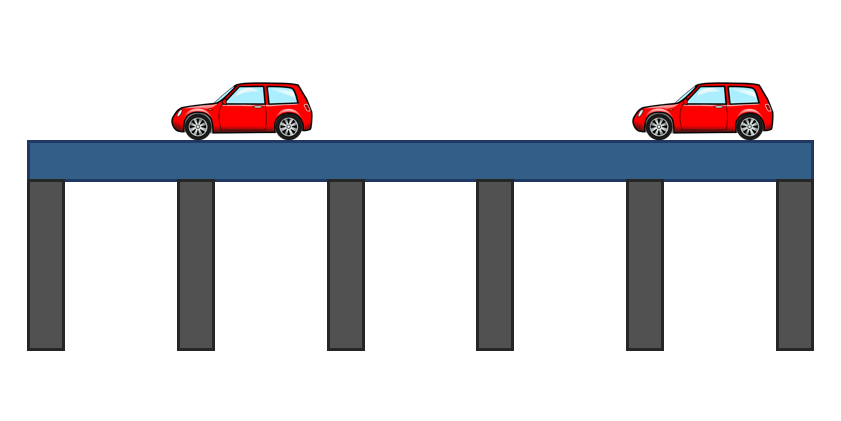
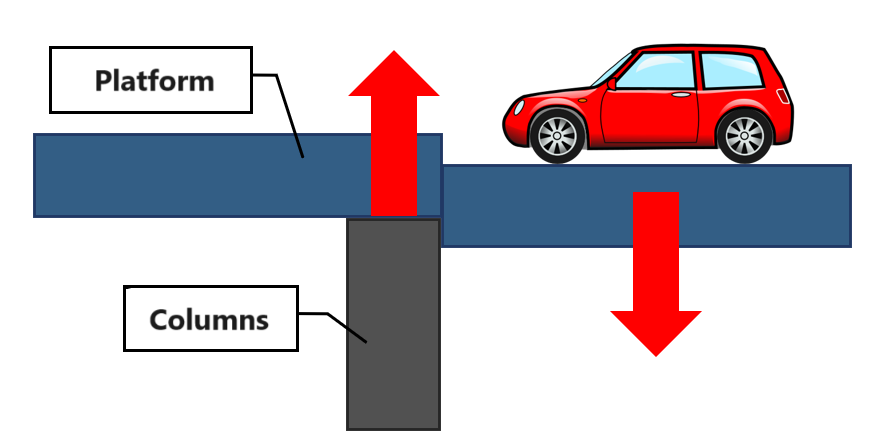
Another example of shear stress, which is of great interest in the construction of structures, is that experienced by bridge decks that stand on columns. On a bridge of this type, there is a risk that, due to the weight of the vehicles and the platform itself, it will sink. This is, in fact, another example of shear, which must be considered when building a bridge:
Buckling stress.
The last type of stress, and perhaps the least known, is buckling. It is an effort that somehow similar to bending, since it also causes the body to bend. The difference with bending is that in this case the forces that cause the deformation are parallel to the body:
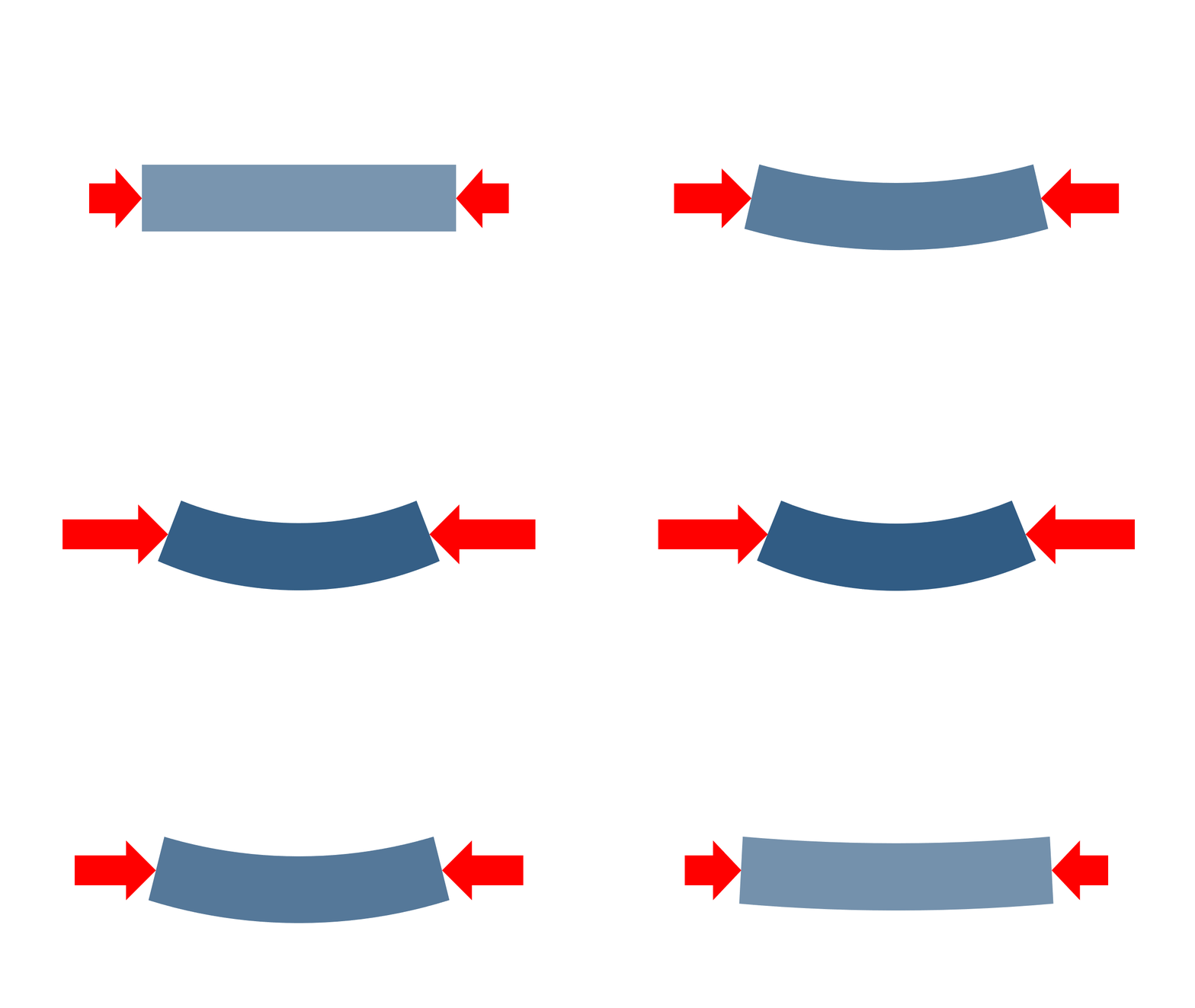
This type of deformation only appears in bodies that are very long and thin (the technical word to describe these bodies is slender). Perhaps you have ever experienced this effect with a plastic ruler as in the image on the left, but this effort must also be considered when designing structures with slender columns like those in the image on the right:
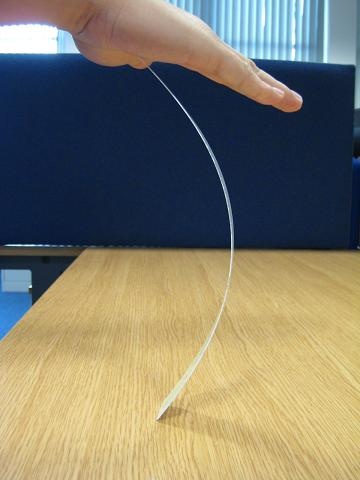
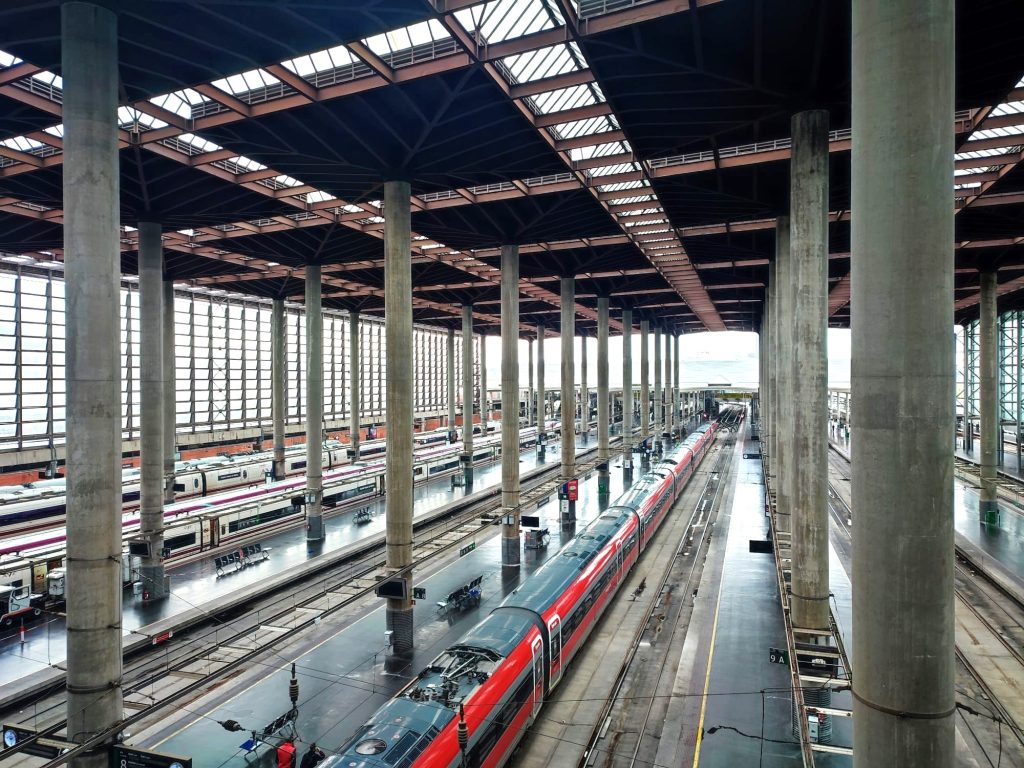
(Columns at Atocha Station, Madrid, original image)