Lesson 2:

What is electricity?
We call electricity to the set of phenomena that imply a movement of electrons. Some examples of electrical phenomena are these:
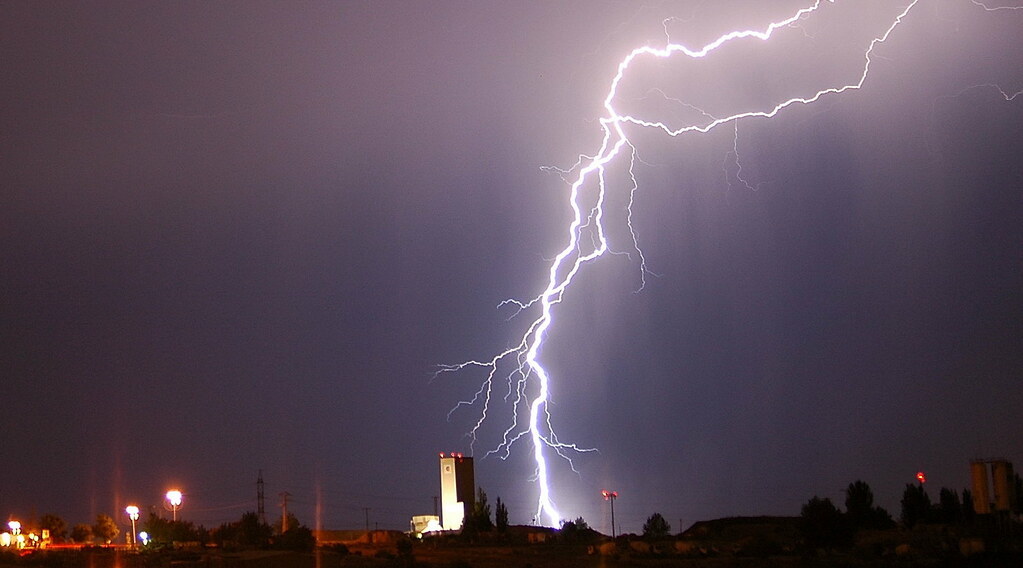


In this unit we are going to focus on one particular electrical phenomenon: electric currents.
Electric current.
As we have seen before, electrons are constantly spinning around the nucleus, and that happens in all kind of materials. However, in some specific materials, electrons are able to move in the same direction in the same way that water drops flow through a pipe. That is what we call an electric current:
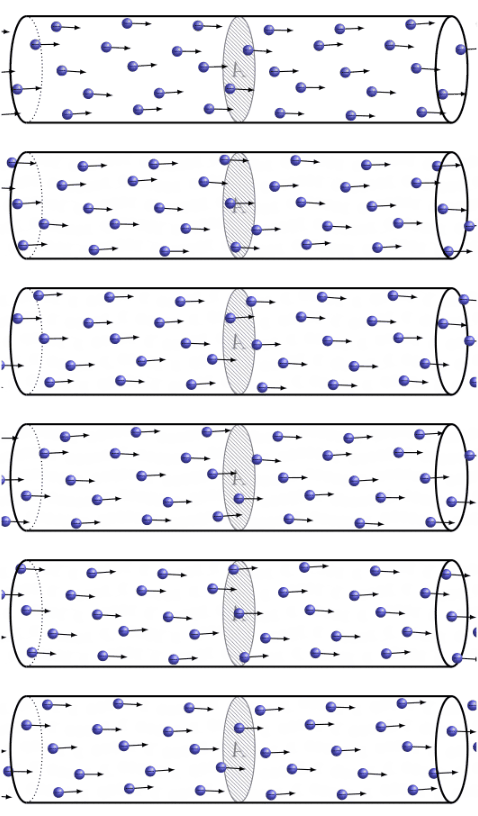
An electric current is just a large amount of electrons that move in the same direction through an electrical conductor.
Next, we will see which materials are able to conduct electric currents and which ones are not.
Electrical conductors.
The materials in which electrical currents can be established are called electrical conductors. There is a large group of materials that have this property: metals. All metals are good electrical conductors, which means that electrical currents can be established in all of them. For this reason, they are used to make wires through which currents can easily flow. Some examples of metals that are commonly used to manufacture wires are:
- Copper.
- Iron.
- Aluminium.
- Gold.
- Silver.
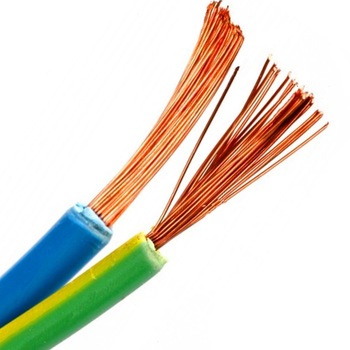
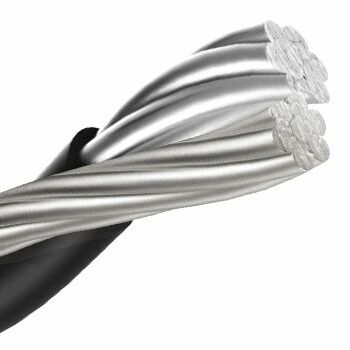

Copper is used for most of the wires of the electrical installations of the houses since it is one of the cheapest metals. Aluminum is often used to manufacture large wires that carry electricity over long distances since in this case a more resistant material is needed. Finally, it is common to find wires, for example for speakers or television, that are covered with a thin layer of gold or silver, since these metals are the best conductors but they are very expensive.
Electrical insulators.
The materials that can’t conduct electric currents are called electrical insulators. Some examples are:
- Plastics.
- Glass.
- Wood.
- Fabrics.
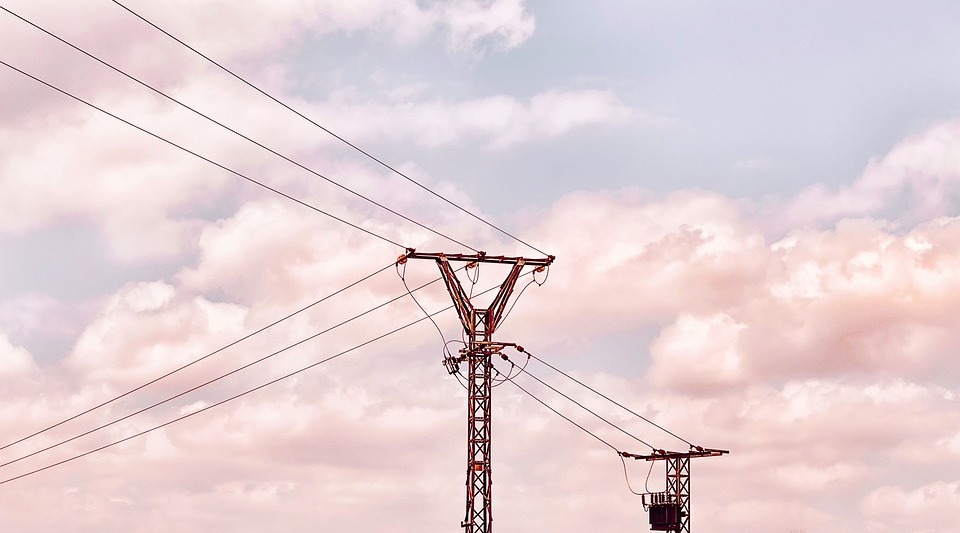
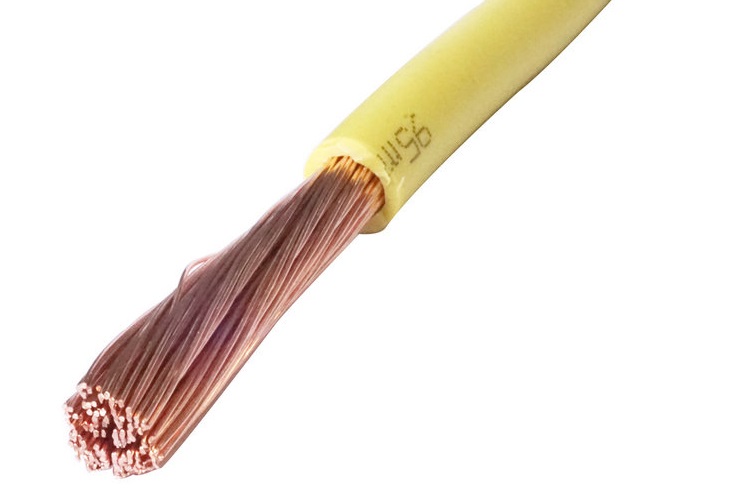
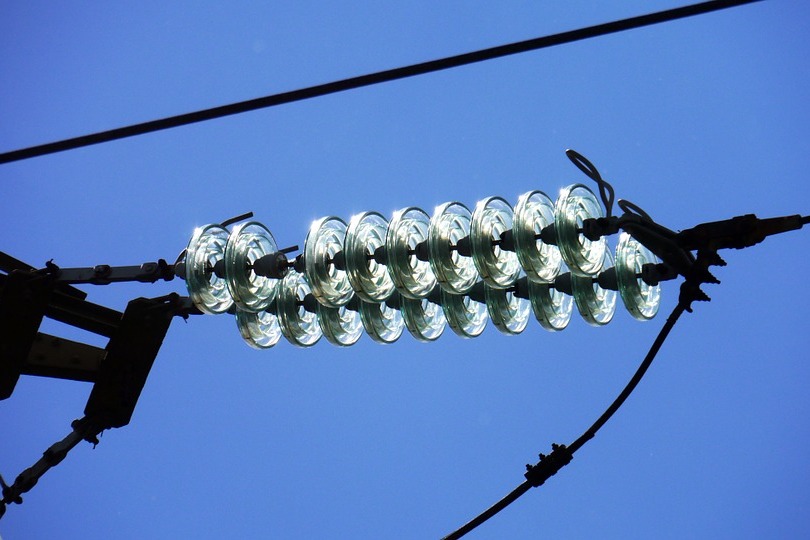
For this reason, plastic is used to cover (coat) the electrical wires and this way avoid contact with the electric current and glass insulators are used in the electrical towers:
How is an electric current created?
We still have one question to answer. What makes the electrons, which are normally spinning around the nucleus, start moving all together in one direction?
For an electric current to be generated in a conductor (usually a wire), an electricity generator is necessary. The most widely used electric generators are batteries.
Batteries are responsible for pushing the electrons through the conductor material so that they start moving in one direction. As you will probably know, there is a wide variety of different batteries, from the smallest ones, which are used for example in wrist watches, to the largest, which are used, for example, to power electric cars.
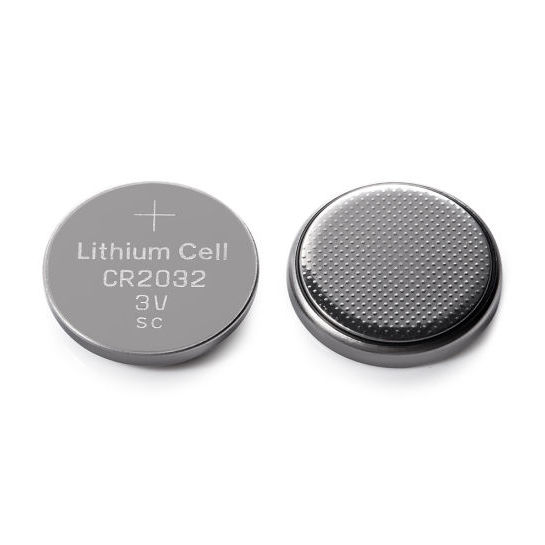
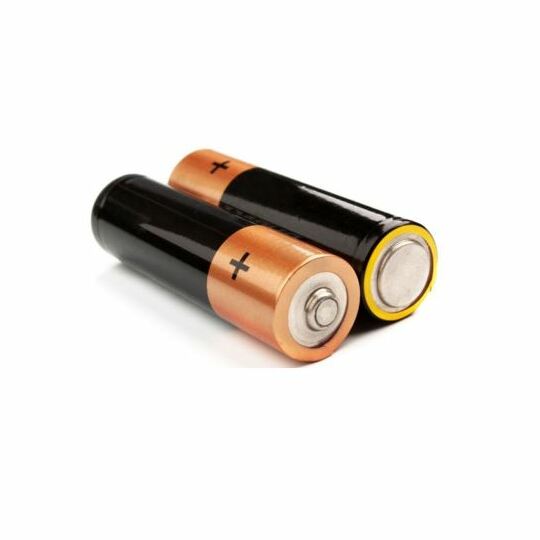
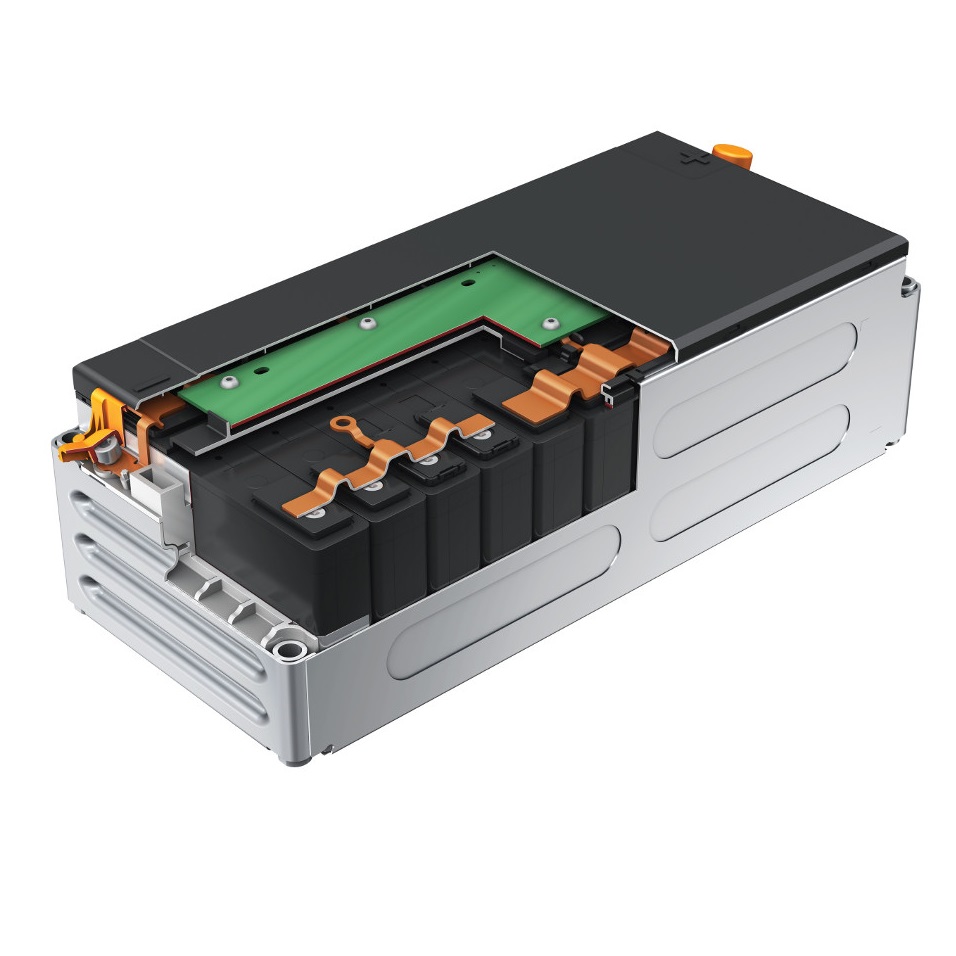
Finally, you must know that there are more types of electric generators. A solar panel, a wind turbine or a hydroelectric power station are also electrical generators. In fact, the electrical current that reaches our homes are just electrons that have been driven by some of these generators until they reach their destination.
However, in this subject, we are only going to work with batteries since they are the most commonly used generators.