Lesson 3:

More properties
a) Chemical properties
Chemical properties are the ones that explain how easily a material changes its composition.
Flammable / non-flammable (fireproof)
- Flammable: is a material that burns very easily. The word inflammable is a synonym of flammable. Examples: wood, some textiles (silk and cotton) and some plastics.
- Non-flammable or fireproof: is the opposite of flammable. Examples: metals, stones, glass, ceramic materials…
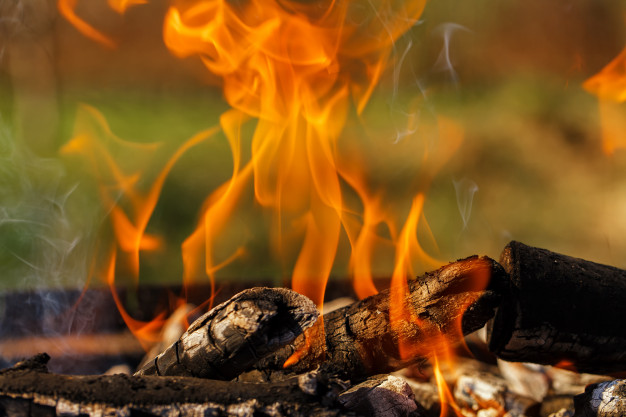
(Wood is a flammable material)
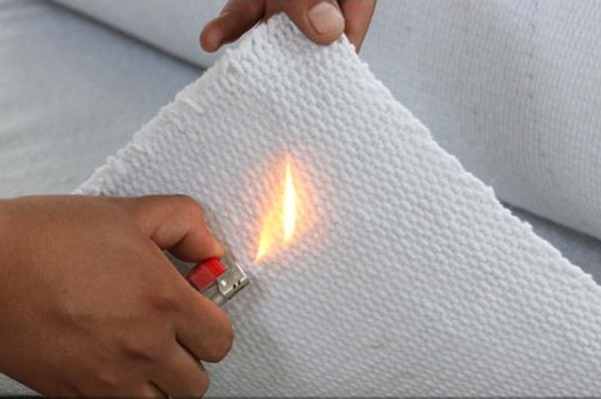
(Example of fireproof material, a textile made of ceramic fibers)
Stainless
A particular change in composition occurs in some metals such as iron when they are in touch with the oxygen in the air. This process is called oxidation and is quite dangerous because it can end up affecting the interior of the material and therefore weakening it. However, some metals such as aluminium, titanium, stainless steel, gold or silver do not suffer oxidation.
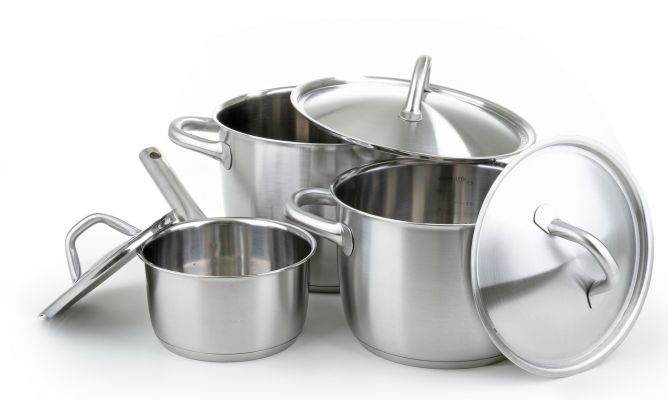
(Kitchenware is usually made of stainless steel or other stainless metal)
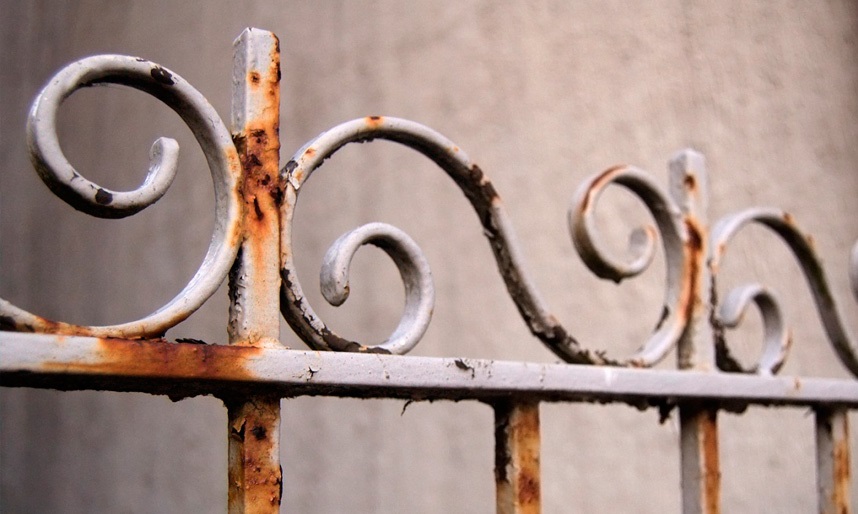
(A rusty fence due to oxidation)
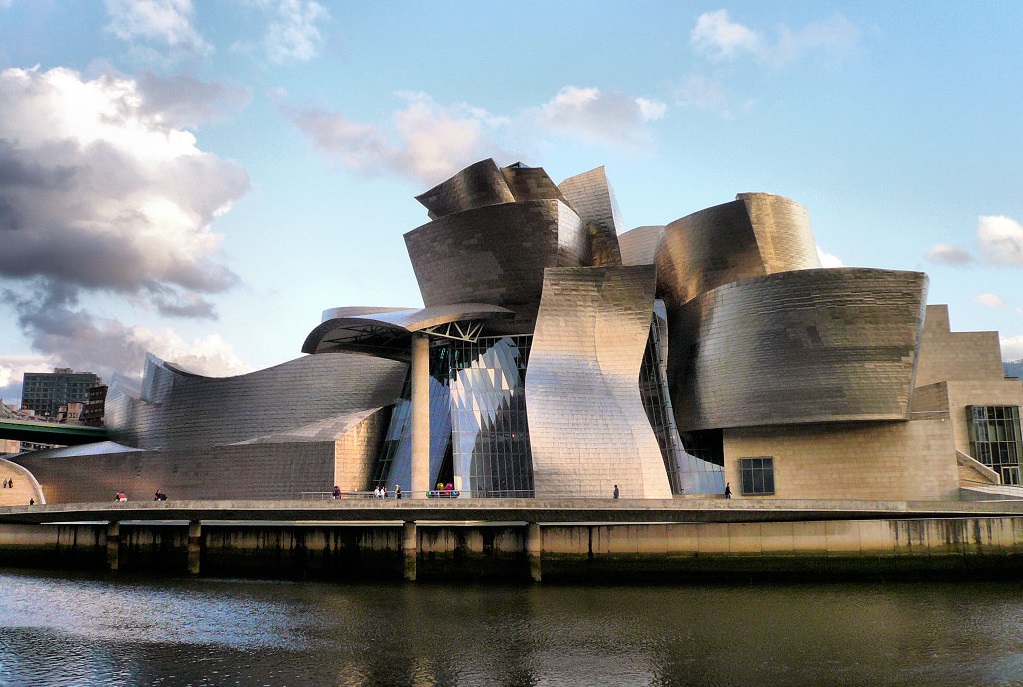
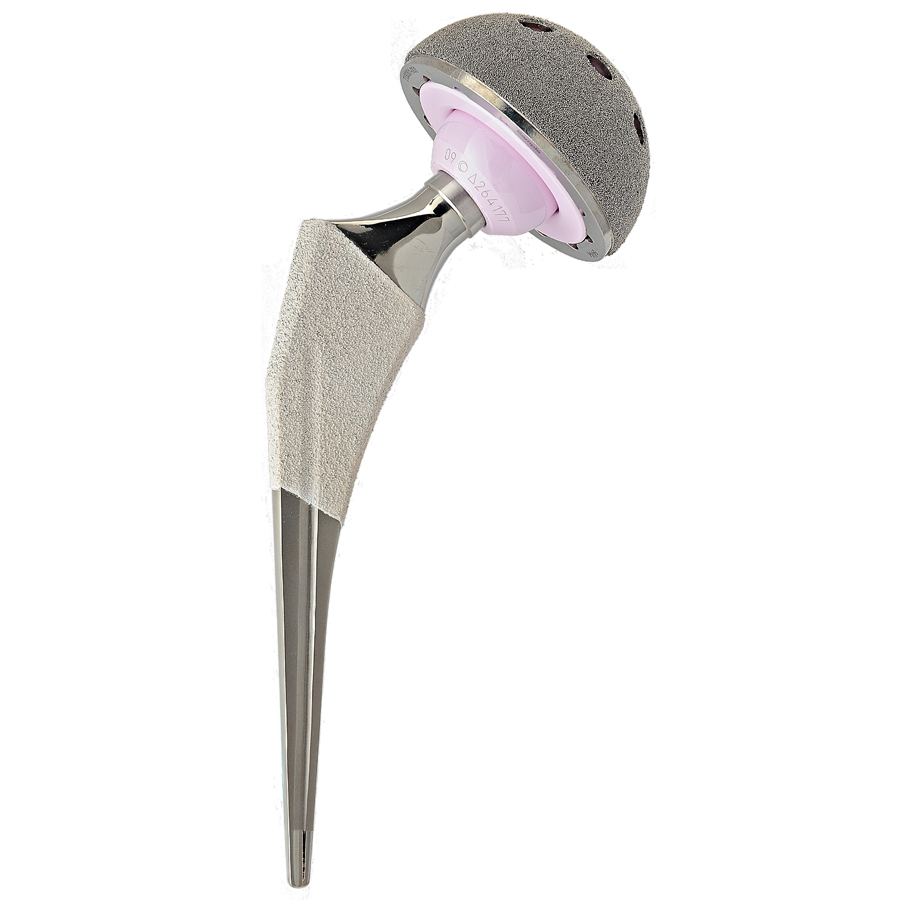
The Guggenheim Museum of Bilbao is covered with titanium plates, one of the metals that better resists oxidation. And the same material is used in hip replacements, as it is a material that does not interact with the human body:
b) Thermal properties
Thermal properties explain how heat is propagated through a material.
Thermal conductor / thermal insulator
- Thermal conductor: is a material that allows heat to pass through. Examples: metals.
- Thermal insulator: is the opposite of thermal conductor. Examples: plastics, wood and textiles (wool, cotton…).
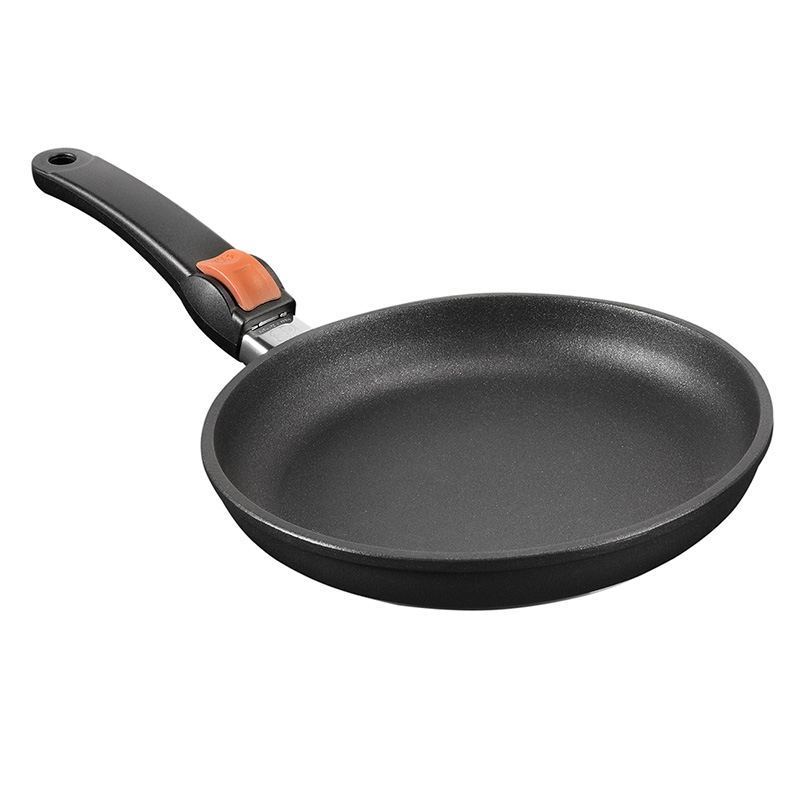
(Cooking pans are usually made of metals such as stainless steel, aluminium or titanium)
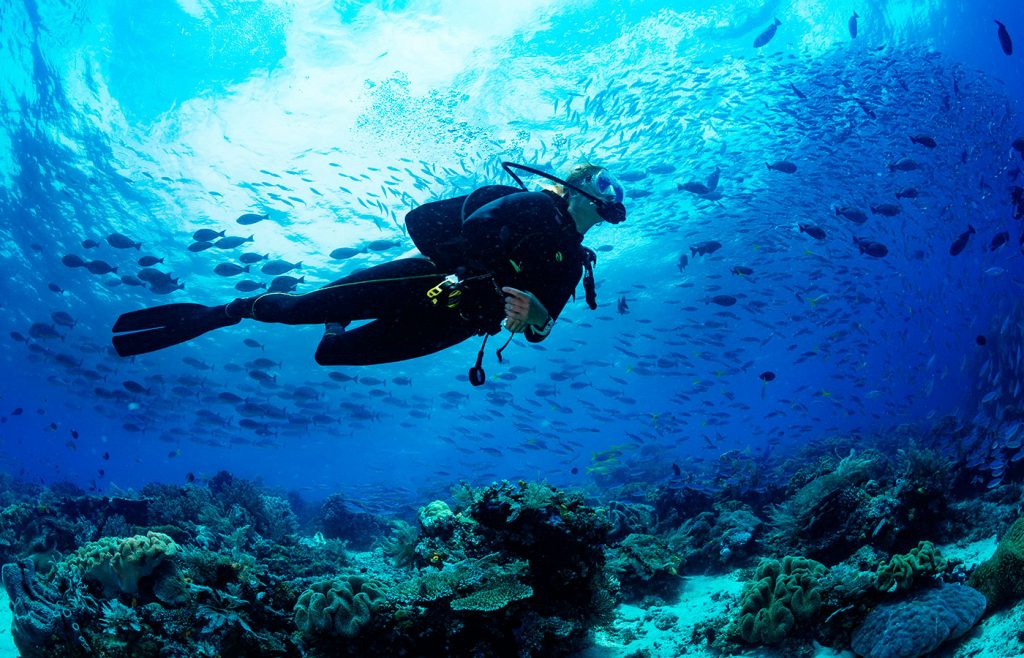
(Diving suits are made of a very good thermal insulator: neoprene)
c) Electric properties
Electric properties are the ones that explain how electricity is conducted through a material.
Electrical conductor / electrical insulator
- Electrical conductor: is a material that allows electric currents to pass through it. Examples: metals (copper, aluminium, silver, gold…).
- Electrical insulator: is the opposite of electrical conductor. Examples: plastics, glass, textiles.
- Semiconductors: are a specific group of materials that can behave as conductors or as insulators depending on several factors, such as temperature, pressure, other substances… Examples: some metals such as silicon and germanium.

(Most wires are made of copper and plastic coated)
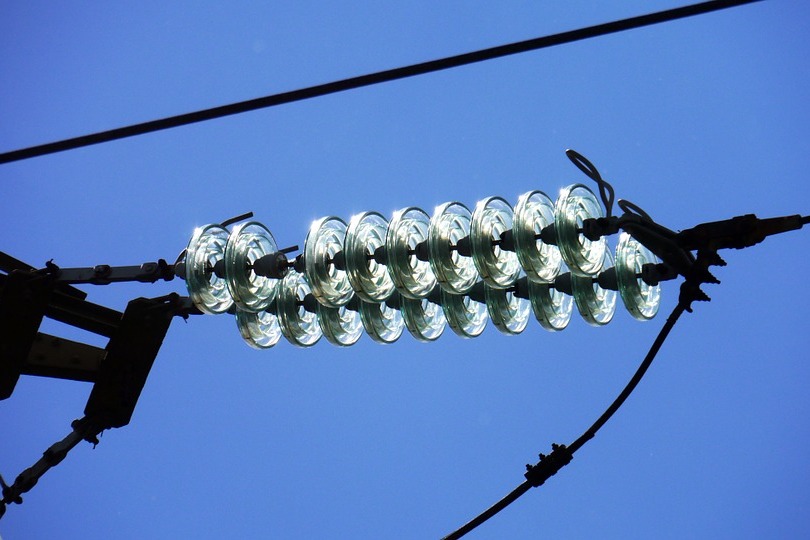
(To avoid contact between electric wires and transmission towers, glass insulators are usually used)
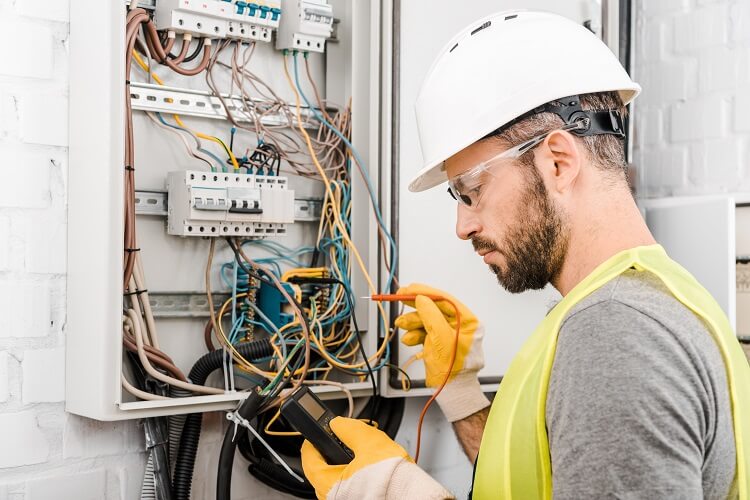
Electricians must always wear insulated gloves that protect them from electric currents. These gloves are made of textiles and plastics, and their thickness depends on the type of current that the worker will handle.
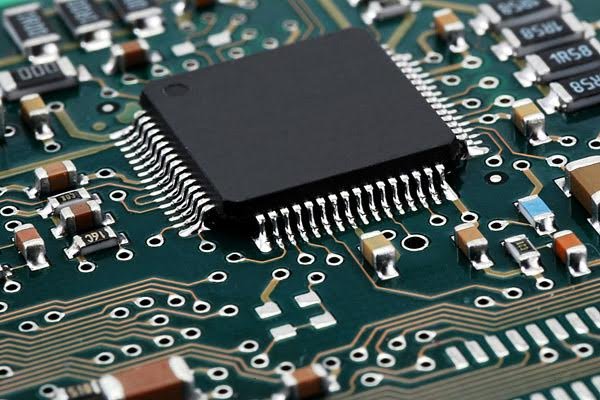
Silicon is the most used material in the integrated circuits (or microchips) that are used in all kinds of electronic devices such as: smartphones, computers, tablets… Have you heard about Silicon Valley? That’s the place in California where some of the most important technological companies are situated. And its name comes precisely from this material, which has been used for decades by those companies.
d) Ecologic properties
Ecologic properties explain how the material affects the environment.
Recyclable / non-recyclable
- Recyclable: is a material that can be processed and used more than once. Examples: metals, glass, paper and some plastics (we’ll see which ones in the next page).
- Non-recyclable: is the opposite of recyclable. Examples: ceramics (bricks, tiles…) and some plastics.
A very large amount of the materials that we use are recyclable. In fact, metals, glass, paper and most plastics can be reused if the appropriate process is carried out. Some examples of objects that can be recycled are.


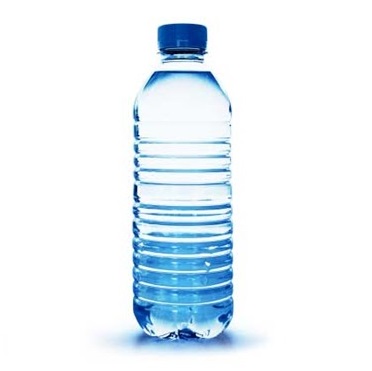
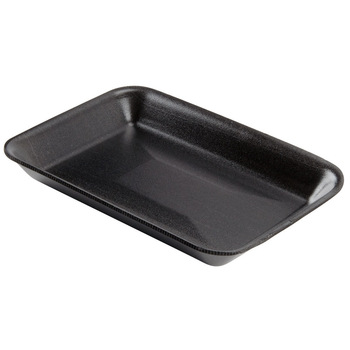
The problem with recyclable materials is that sometimes the recycling process is difficult or expensive… or just that we don’t make enough of an effort to do it. For example, though most of the plastics that we use are recyclable, just a few of them are actually recycled. While water bottles and other containers, which are usually made of a plastic called polyethylene, are easily recycled, other plastic objects such as food trays or disposable tableware made of polypropylene are not:


Biodegradable / non-biodegradable
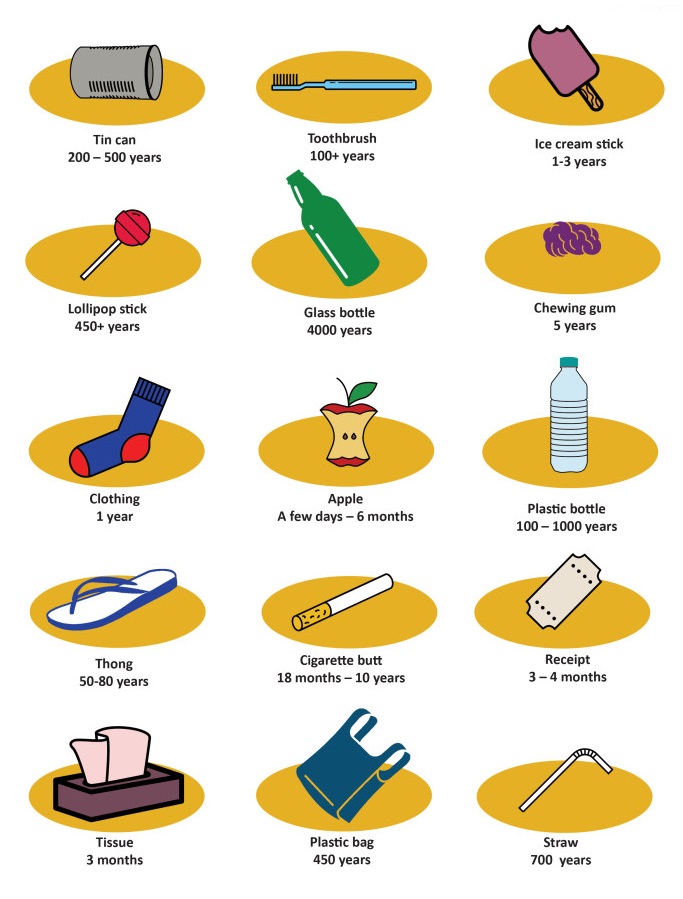
- Biodegradable: is a material that breaks down naturally due to the action of microorganisms. Examples: wood, cotton, wool and some plastics.
- Non-biodegradable: the opposite of biodegradable. Examples: metals, glass, most plastics…
Toxic / non-toxic
- Toxic: is a material that is harmful for the environment, mainly for living beings. Examples: metals (mercury and lead) and plastics.
- Non-toxic: the opposite of toxic. Examples: wood, stones, ceramics…