Lesson 4:

Types of metals
a) Ferrous metals
Ferrous metals are iron and all the alloys* that contain iron. They are the most widely used ones.
*Very important! An alloy is a mixture of several metals that may also contain other elements which are not metallic.
Iron
- Properties: it is magnetic.
- Uses: iron alone is not frequently used. Its only application is to manufacture magnets, that are used, for example, in electric motors.
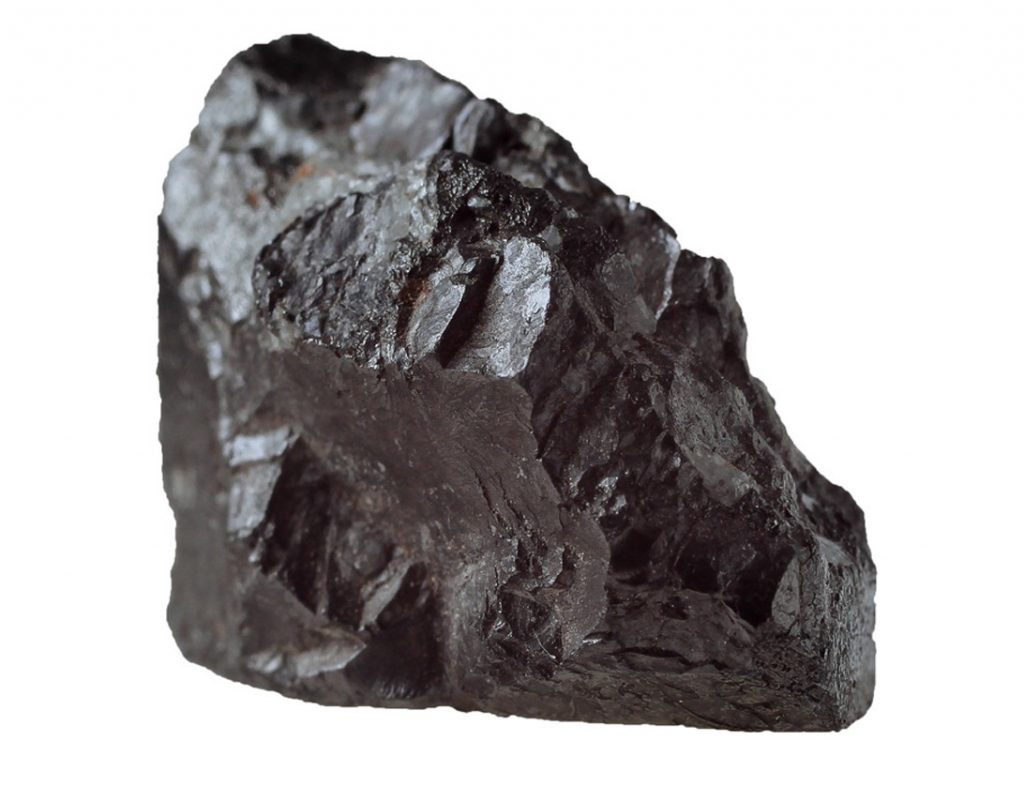
Steel (iron + carbon)
Steel is the most used metal worldwide. It is an alloy of iron and carbon, but other elements such as chromium, cobalt, manganese or nickel are frequently added to improve its properties depending on the application.
- Properties: steel is strong and tough. It is also resistant to oxidation if the proper elements are added*.
- Uses: in construction (beams and columns), to make tools (hammers, spades), means of transport (car bodies, trains, ships), railway tracks, kitchenware, cutlery, home appliances…
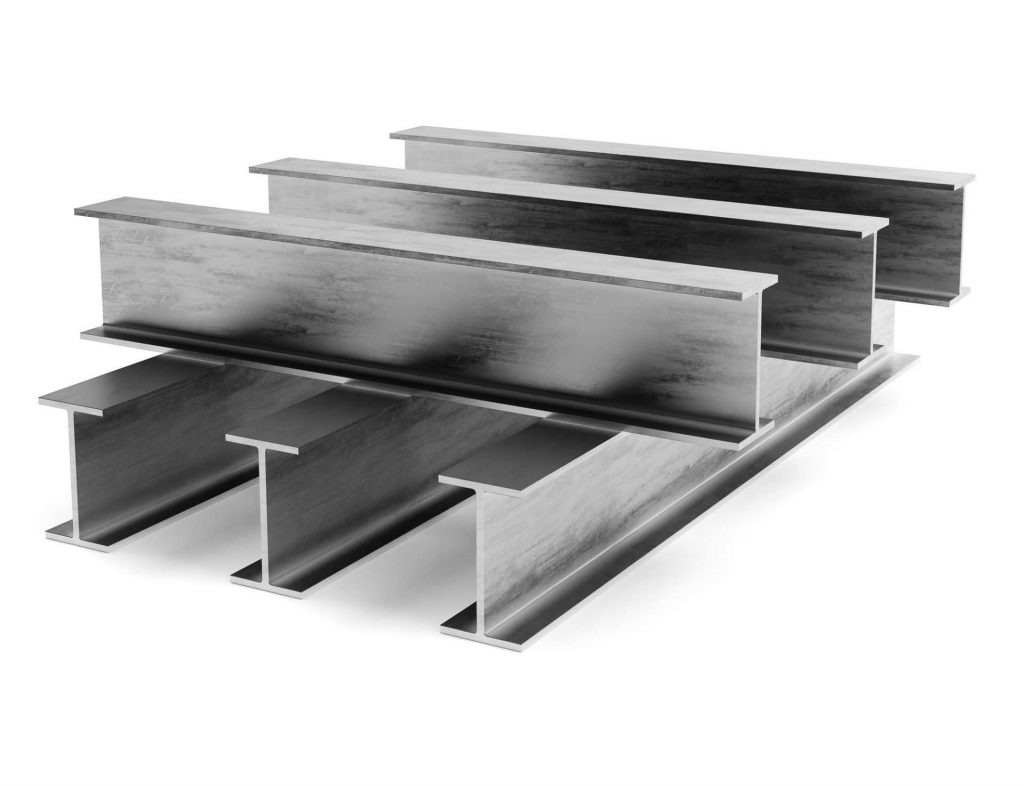
(Steel beams are used to build all kinds of structures)
*Very important! stainless steel is a special kind of steel which at least contains a 10% of another metal called chromium. Adding this element to the alloy makes steel much more resistant to oxidation and other environmental attacks (rain, snow, wind, dust…)
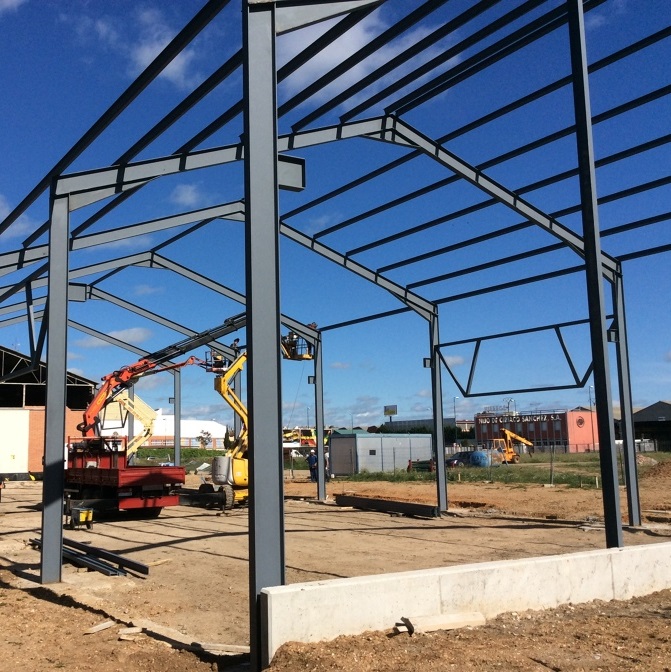
Industrial buildings 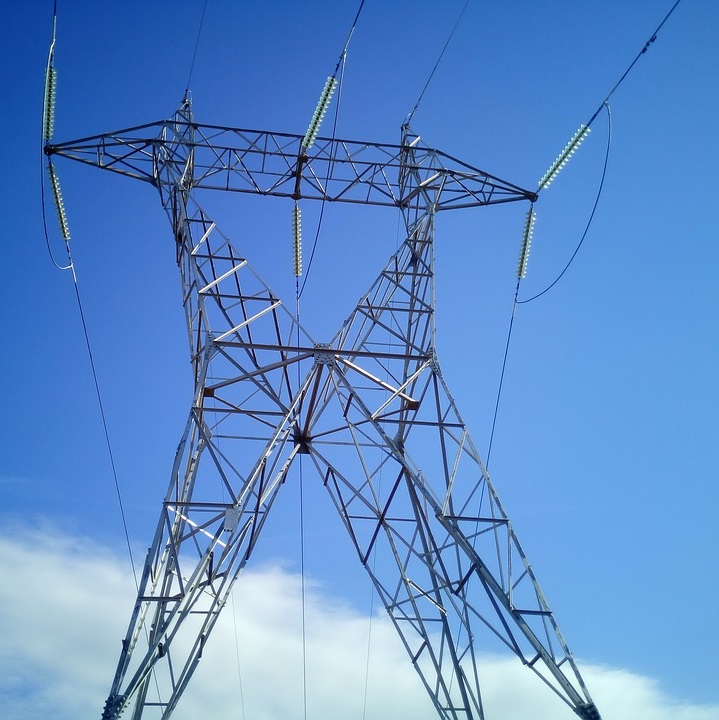
Transmission tower 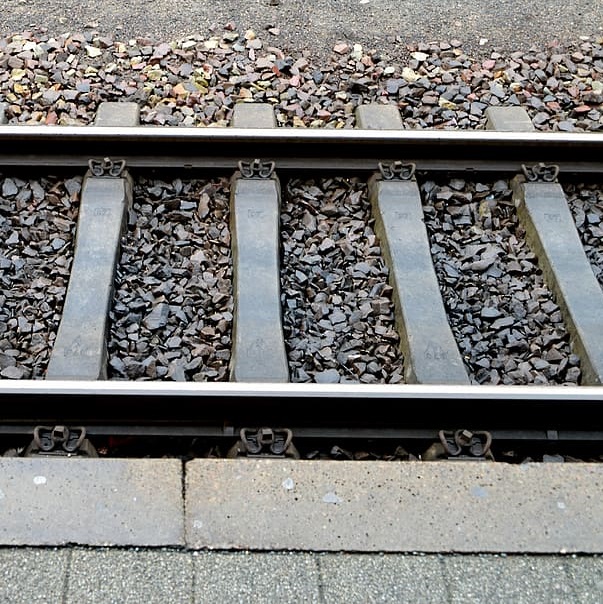
Railway tracks
Cast iron (iron + carbon)
Cast iron is also an alloy made of iron and carbon, to which other elements can also be added. However, unlike in steel, the amount of carbon varies from 2 to 6% what gives cast iron completely different properties.
- Properties: it is quite hard and easy to form by moulding.
- Uses: pipes, parts of cars such as the engine, cooking ware, urban furniture (benches, manhole covers, draining rids, streetlights), gym weights…
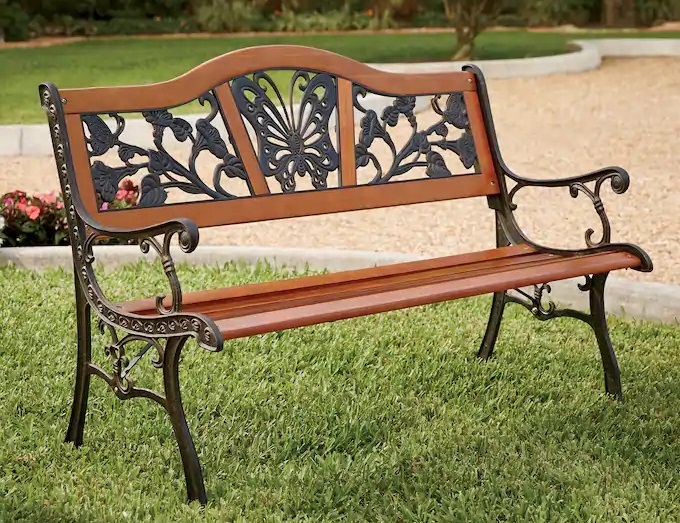
(Cast iron is used quite often in urban furniture)
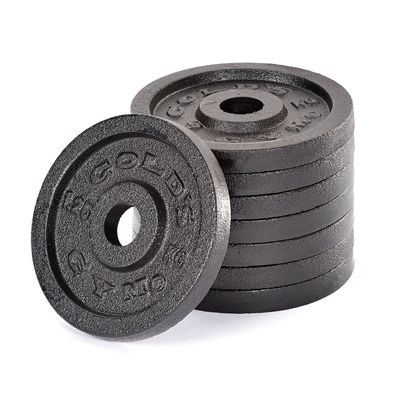
Gym weights 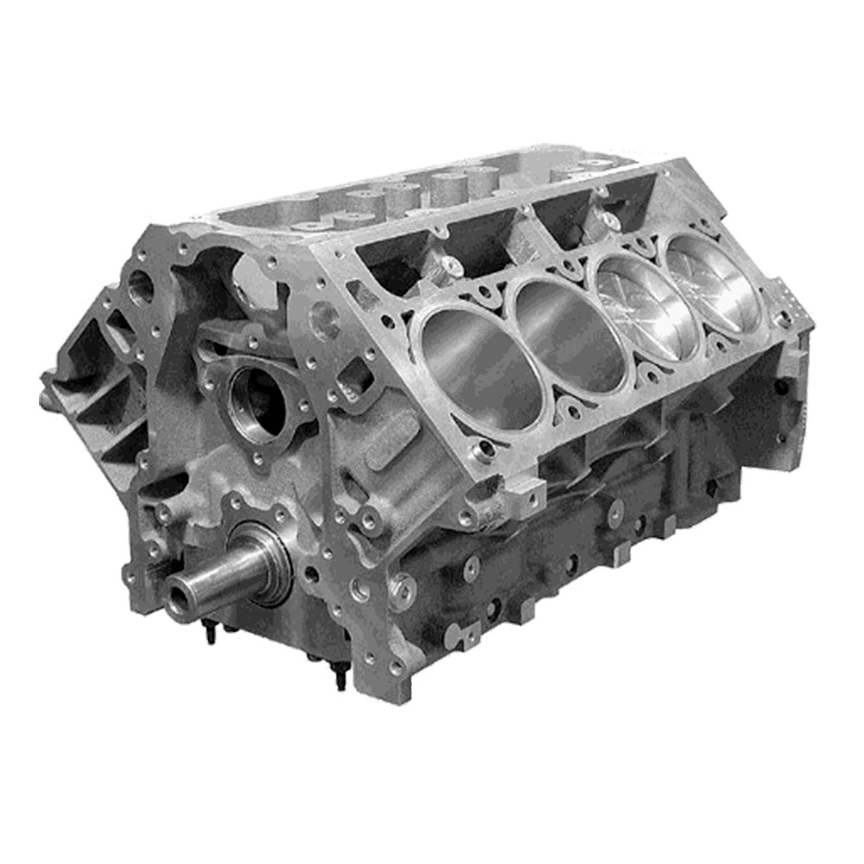
Car engines 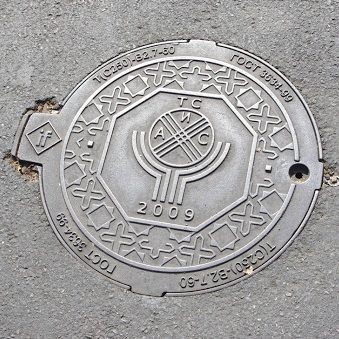
Manhole covers
b) Non ferrous metals
Non ferrous metals include those ones different from iron and alloys that do not contain iron.
Copper
- Properties: thermal and electrical conductor.
- Uses: electric wires, pipes, coins, kitchenware…
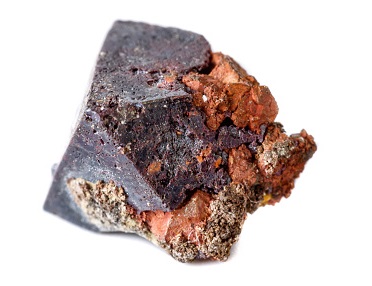
(Cuprite is one of the minerals from which copper is extracted)
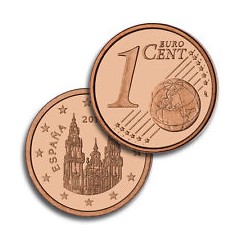
Coins 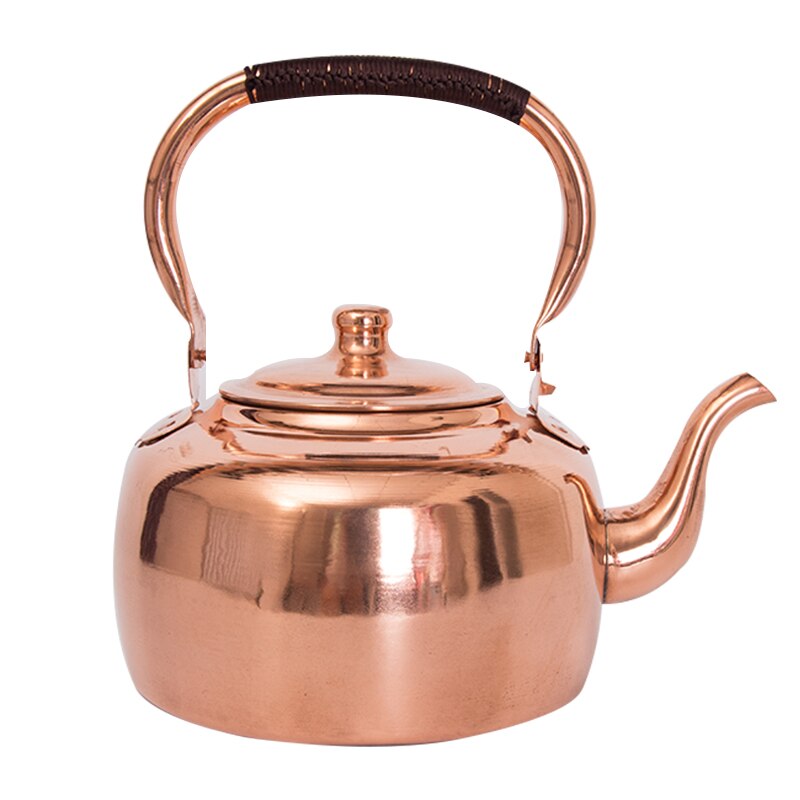
Teapot 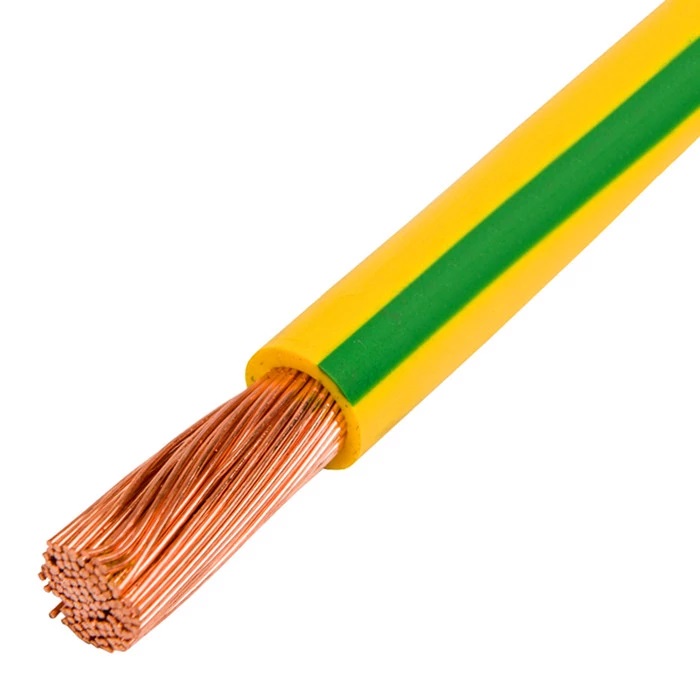
Wires
Aluminium
- Properties: strong and tough (though not as much as steel) and light.
- Uses: food cans, window frames, means of transport (mainly planes), kitchenware…
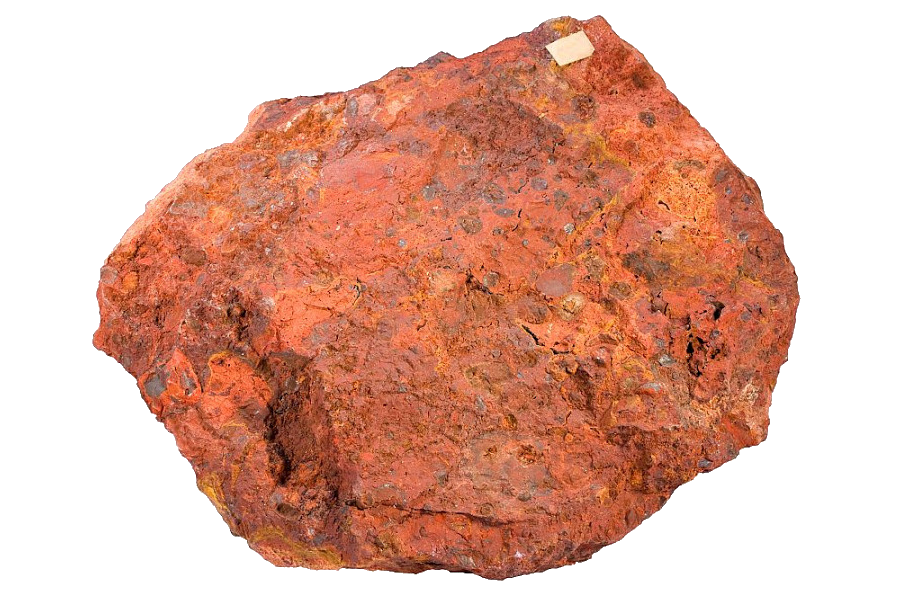
(Bauxite is the main source of aluminium)
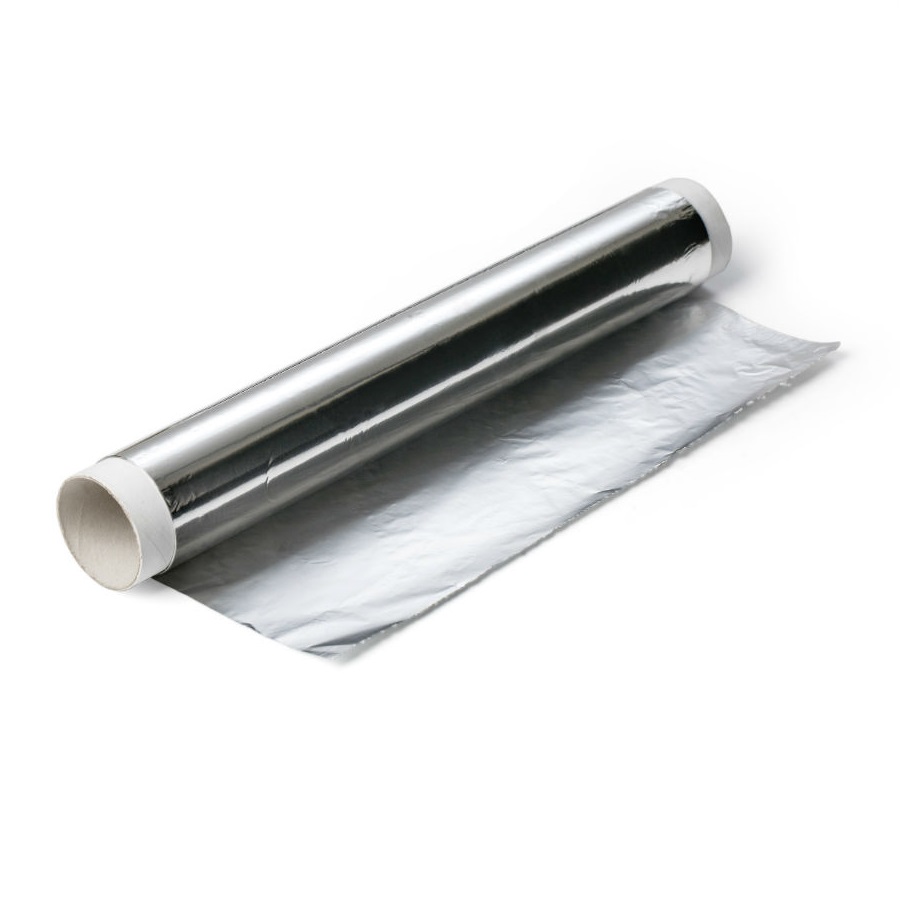
Aluminium foil 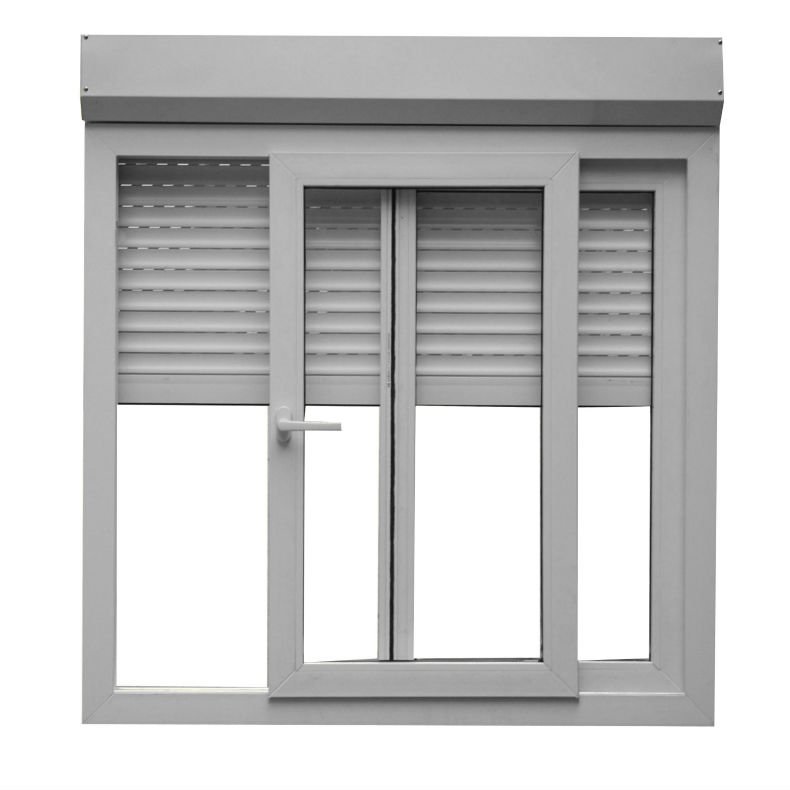
Window frames 
Planes
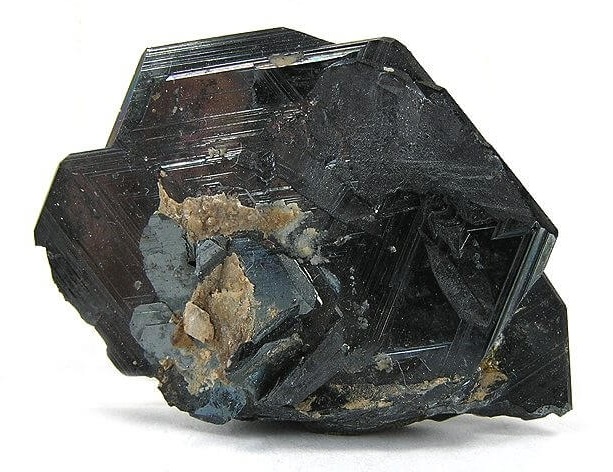
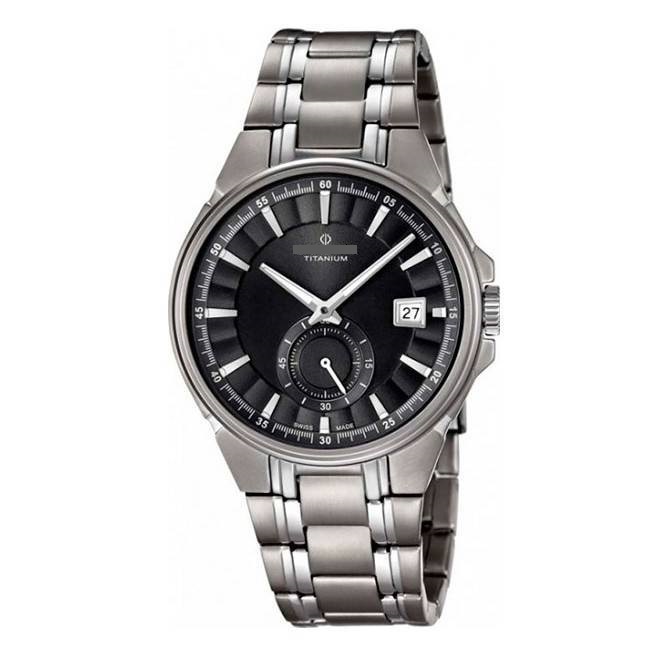
Titanium
- Properties: strong, tough, hard and light.
- Uses: all those applications in which very strong and light materials are required. Aerospace industry, medicine (scruches, surgical material, hip replacements…) bikes, watches…


Gold and silver
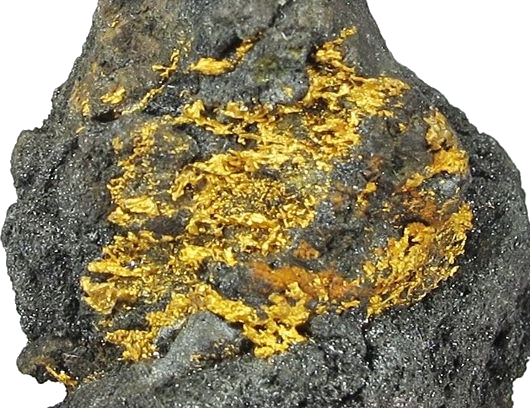
- Properties: very good thermal and electrical conductors. Very good aesthetic properties (quite shiny).
- Uses: mainly jewelry but also in high quality electronic applications as well as in analog photography
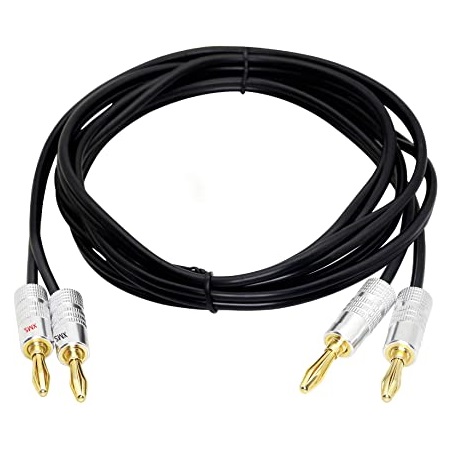
High quality cables 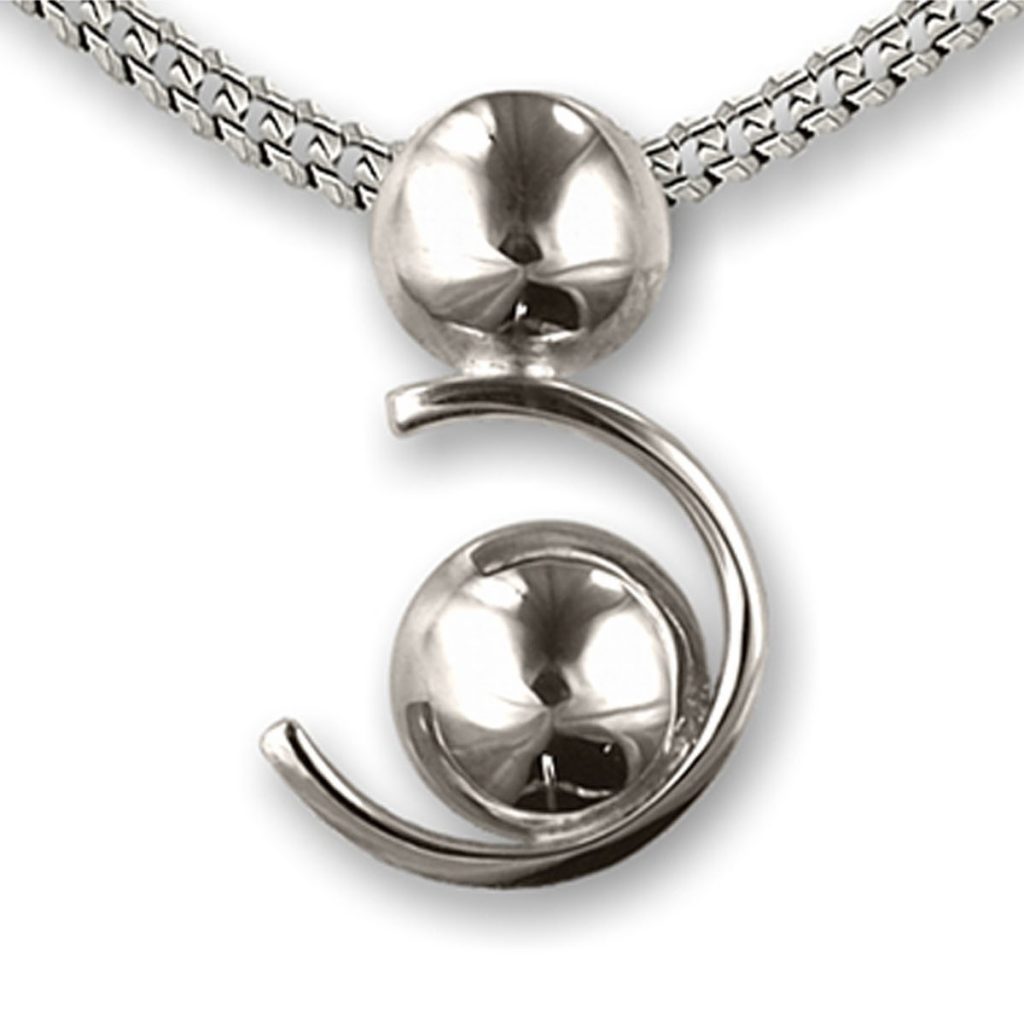
Jewelry 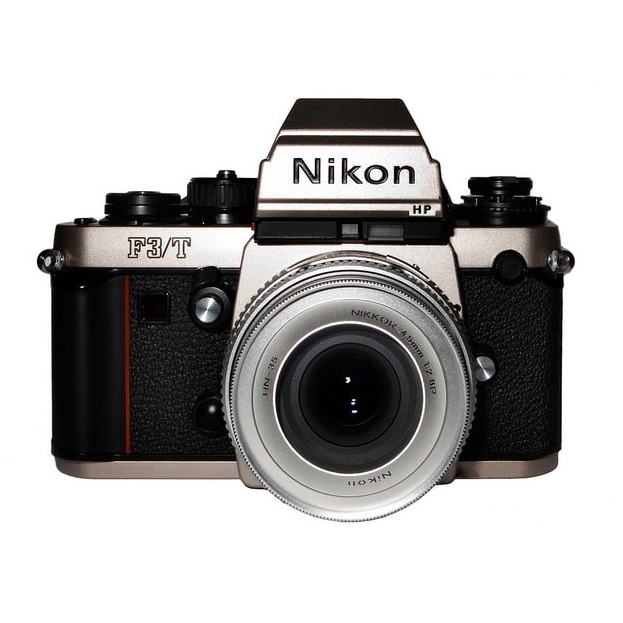
Photography (analog)
Zinc
- Properties: quite resistant to oxidation.
- Uses: mainly metal coating. The process of coating a metal with zinc is called galvanization and it is usually done by submerging it into a bath of molten zinc. A lot of steel made objects are then galvanized to avoid oxidation.
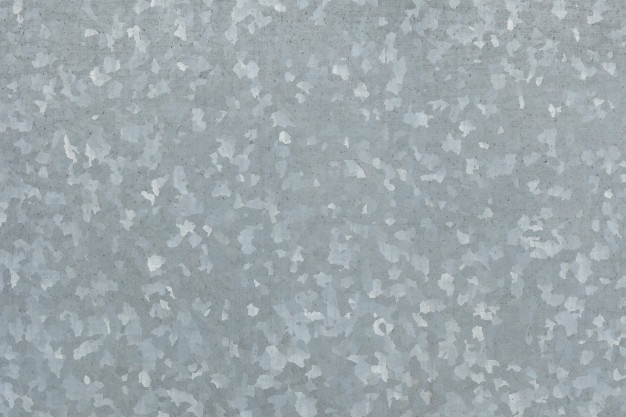
(Surface of a galvanized object)

(Surface of stainless steel, not galvanized)
Bronze (copper and tin)
- Properties: it is not as rigid as other metals what makes it easy to manufacture objects with it. It produces a very nice sound when hit.
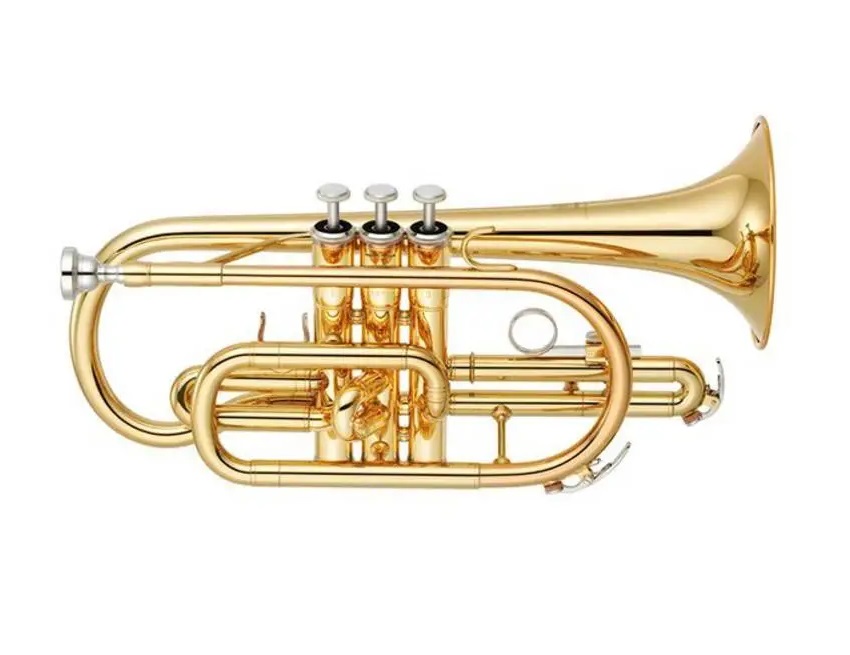
- Uses: bells, instruments, ornaments…
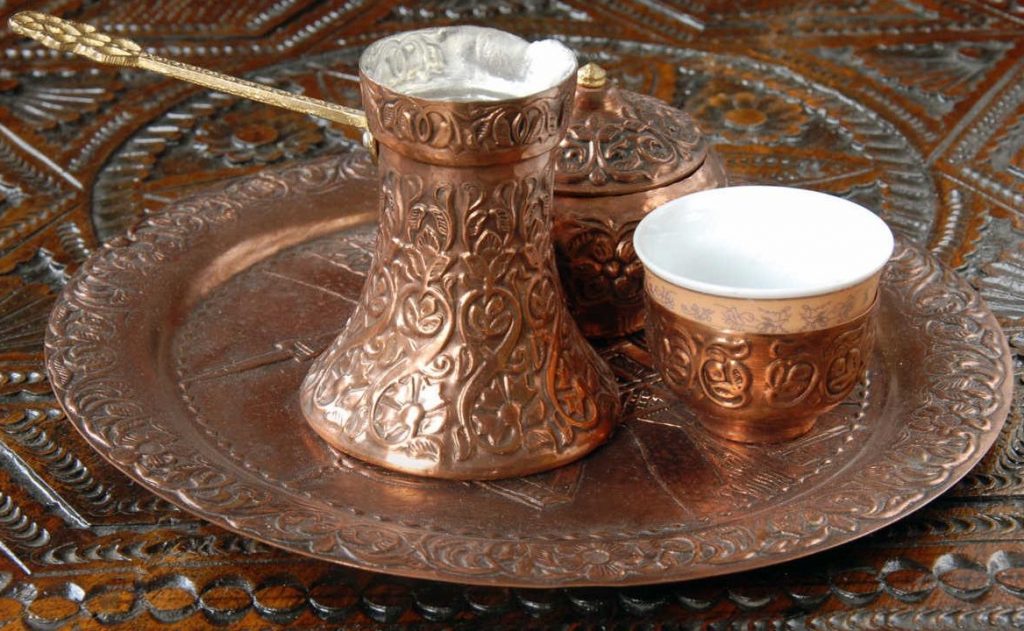
Brass (copper and zinc)
- Properties: it is quite resistant to oxidation and is quite aesthetic (similar to gold).
- Uses: all kinds of objects that are going to be in contact with water or humid environments. Also, to make pieces with a nice appearance.
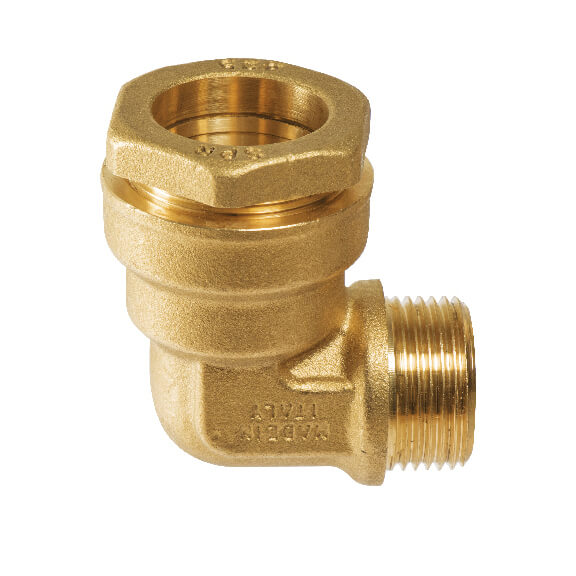
Plumbing parts 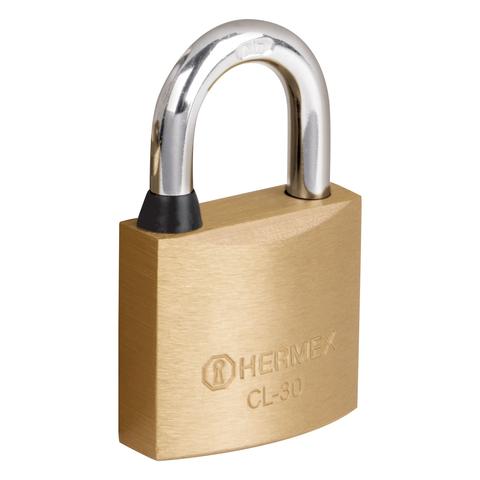
Padlocks 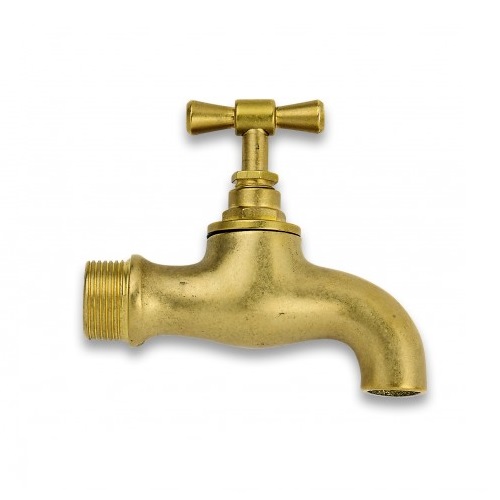
Taps