Lesson 2:

Material properties
a) Optic properties
Optic properties are the ones that explain how a material interacts with light.
Transparent / translucent / opaque
- Transparent: material that allows light to pass through without scattering. Examples: some glasses and plastics.
- Translucent: material that allows light to pass through with scattering. Examples: some glasses and plastics.
- Opaque: material that doesn’t allow light rays to pass through. Examples: stones, wood, metals, some plastics…

(Transparent)

(Translucent)

(Opaque)

(Transparent glass)
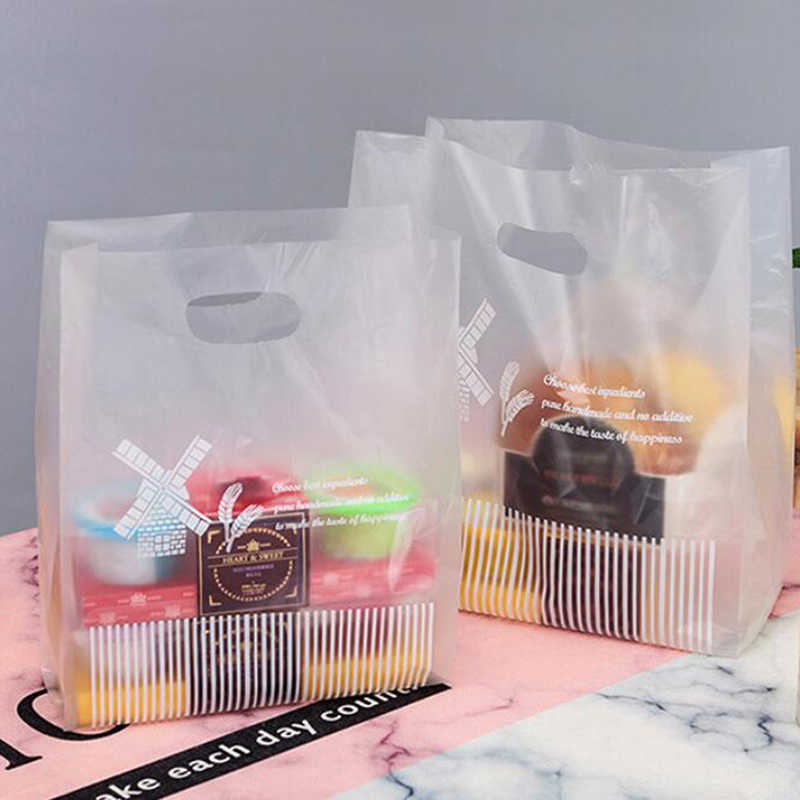
(Translucent plastic)
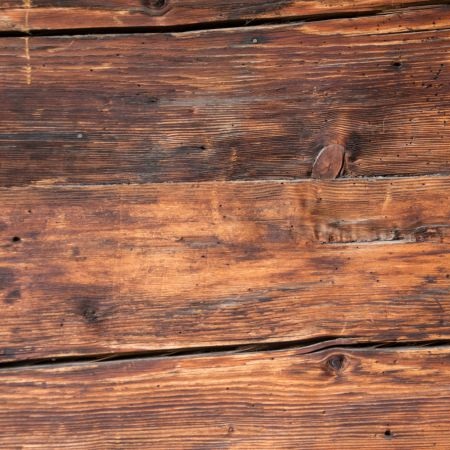
(Opaque wood)
Color
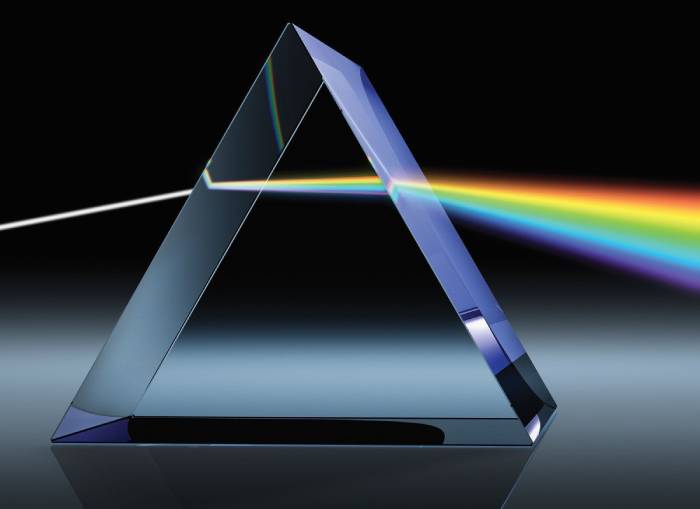
Color is a property that depends on the way the surface of one material reflects light. The light that reaches us from the sun is a mixture of all the colors shown in the images below. Depending on which colors are absorbed or reflected by a material, our eyes (in fact our brain) will perceive it in one color or another.

b) Sound properties
Are the ones that explain how sound propagates through a material.
Sound conductor / sound insulator
- Sound conductor: is a material that transmits sound well. Examples: metals.
- Sound insulator: is a material that doesn’t allow sound to pass through. Examples: plastics; textiles…
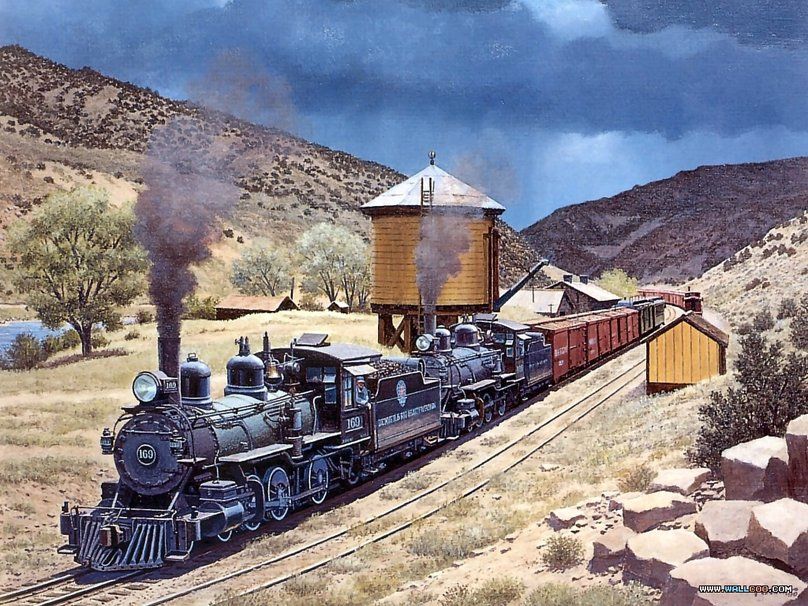
(Train rails are very good sound conductors)
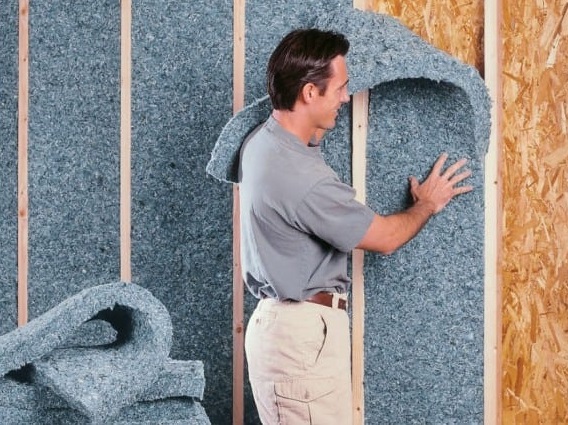
(Acoustic insulator inside a wall)

(A bronze church bell)
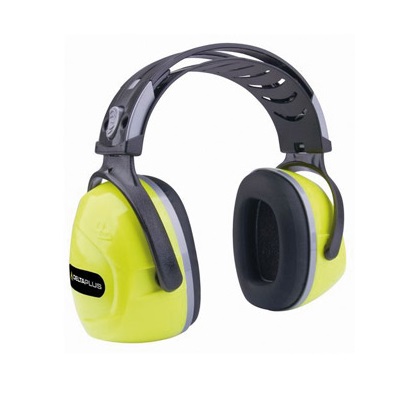
(Acoustic earmuffs)
c) Mechanical properties
Are the ones that explain how a material behaves under the action of forces
Hard / soft
- Hard: is a material that is not easily scratched by other materials. Examples: metals, stones…
- Soft: the opposite of hard. Examples: most plastics, most woods, textiles…
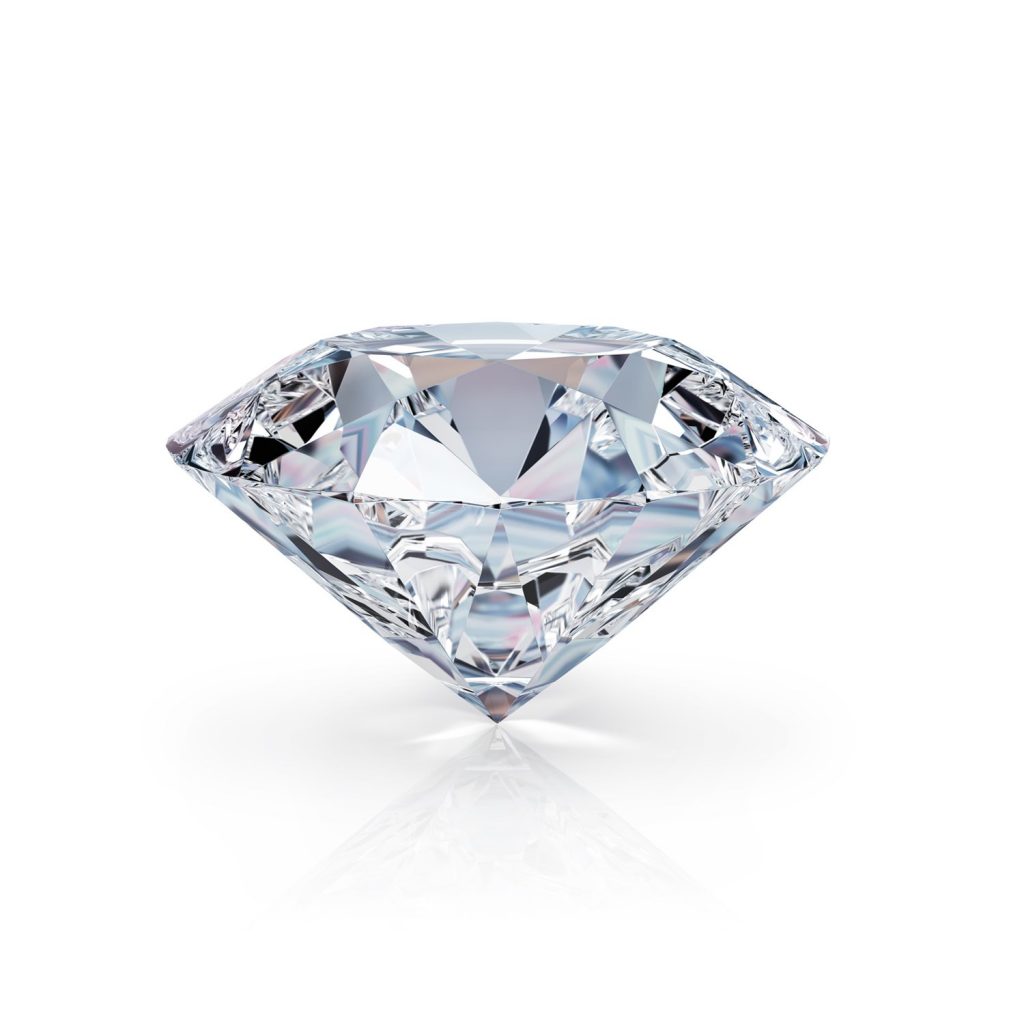
(Diamond, the hardest natural material)
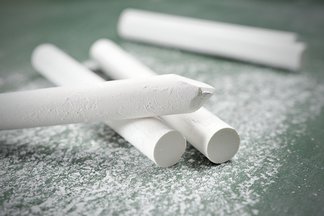
(Chalk made of plaster, one of the softest materials)
Tough / brittle
- Tough: is a material that is not easily broken into pieces when struck (suddenly). Examples: metals, wood…
- Brittle: the opposite of tough. Examples: glass.
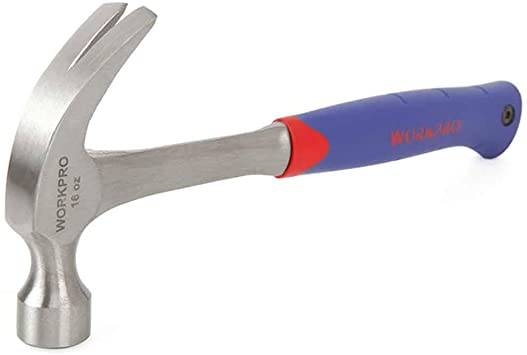
(A tough, steel hammer)

(A fragile, glass cup)
Strong / weak
Resistant: is a material capable of supporting applied forces without breaking. Examples: metals, stones…
Weak: the opposite of strong. Examples: textiles, plastics, woods*…
*Of course, some specific plastics and woods might not be weak, but they are usually much weaker than metals or stones.

(A very resistant, concrete (and steel) bridge during its load test)

(A not so resistant, hanging, wooden walkway)
Elastic / plastic
- Elastic: is a material with the ability to return to its original shape after being deformed. Examples: rubber and most textiles.
- Plastic: the opposite of elastic.
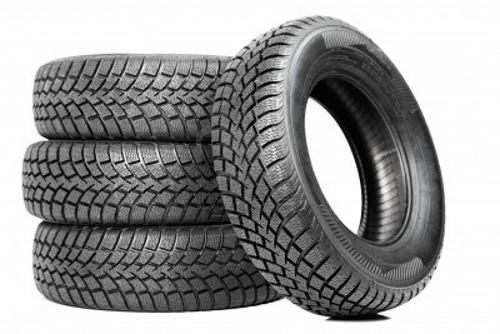
(Rubber tires must be quite elastic)

(Wet clay is a plastic material )
Ductile
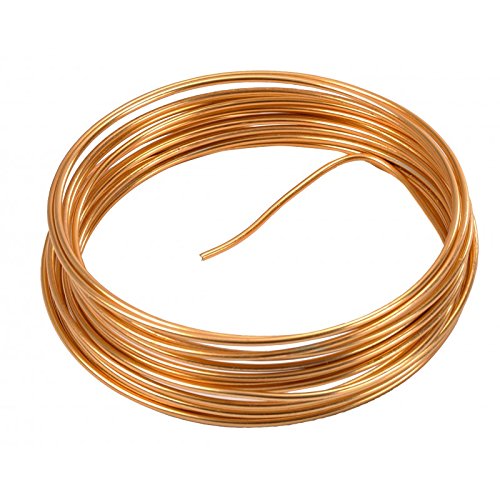
- Ductile: is a material with the ability to be stretched into long wires. Examples: some metals such as copper.
Malleable
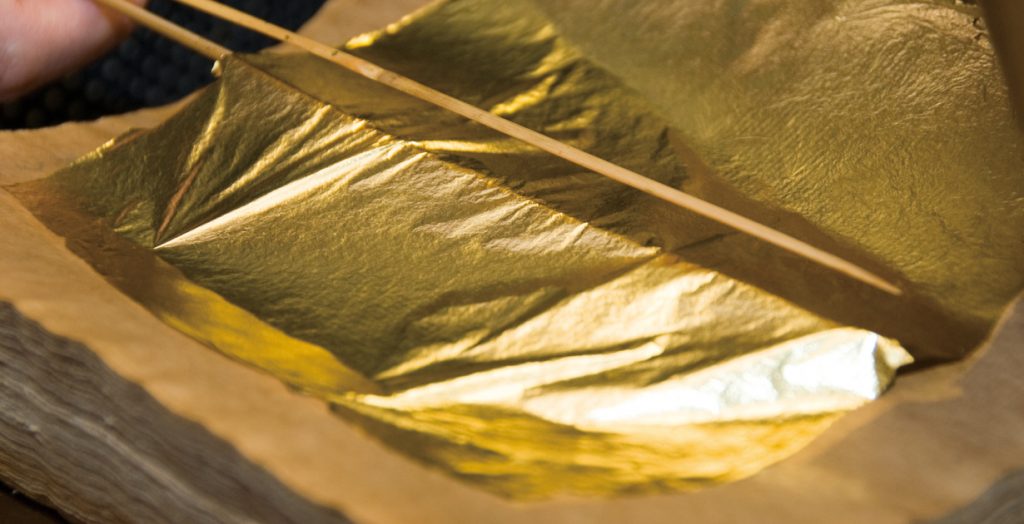
- Malleable: is a material with the ability to be flattened into thin sheets. Examples: some metals such as gold and silver.