Lesson 5:

Types of plastics
a) Thermoplastics
Are plastics that can be melted once and again, allowing them to be easily recycled. The reason why it is possible is that their chains are not tied one to each other.
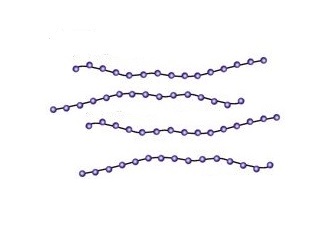
Polyethylene
- Properties: it is quite easy to manufacture objects with it and is tough enough for a lot of applications. It is also the easiest to recycle plastic, that is why is the most used one.
- Uses: all kind of bottles, bags, film…
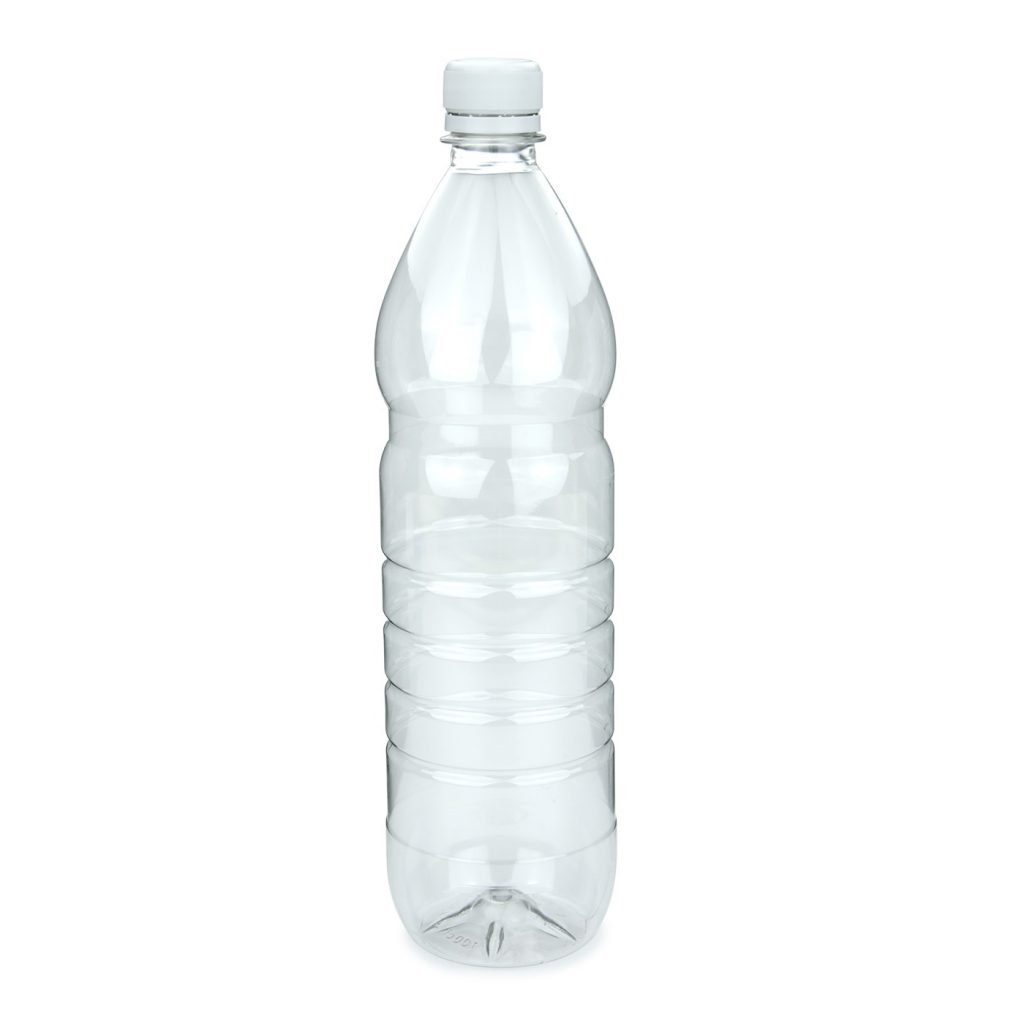
(Water bottles are made of polyethylene)
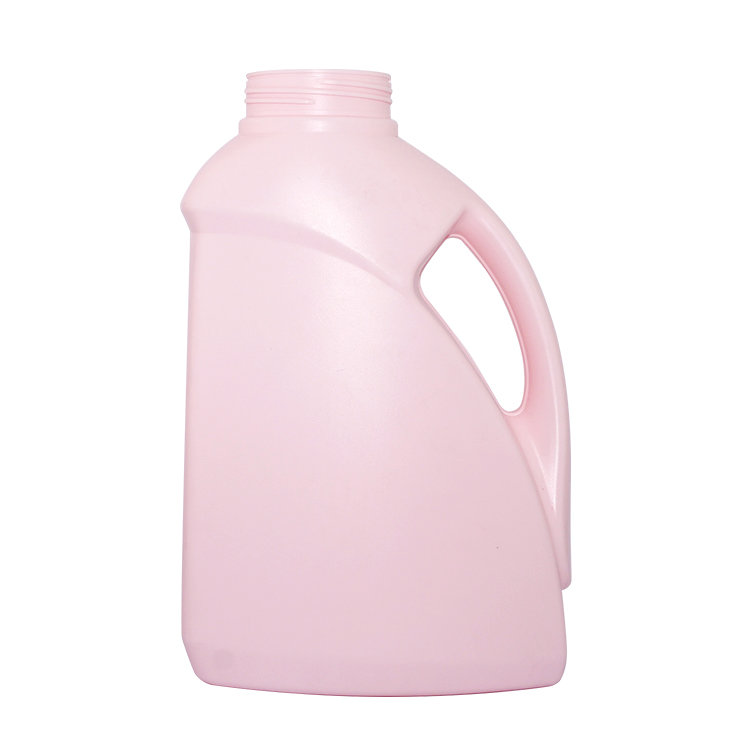
Other kinds of bottles 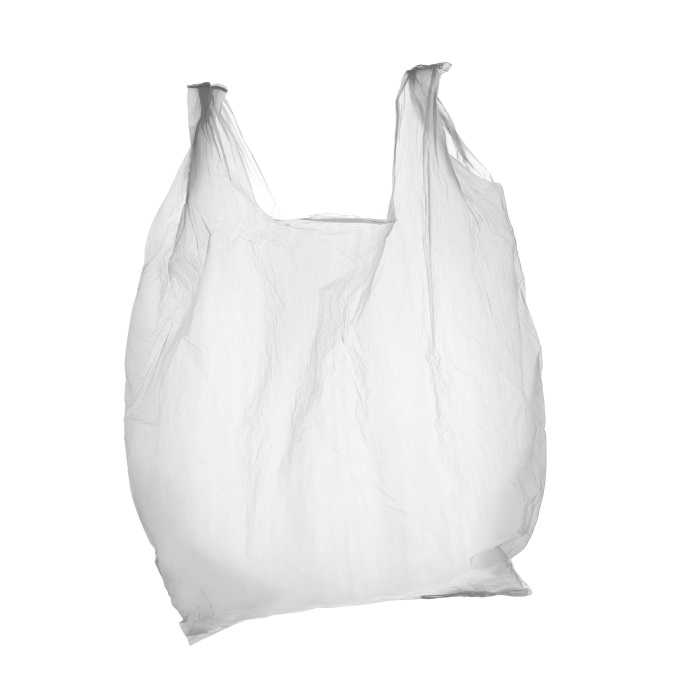
Bags 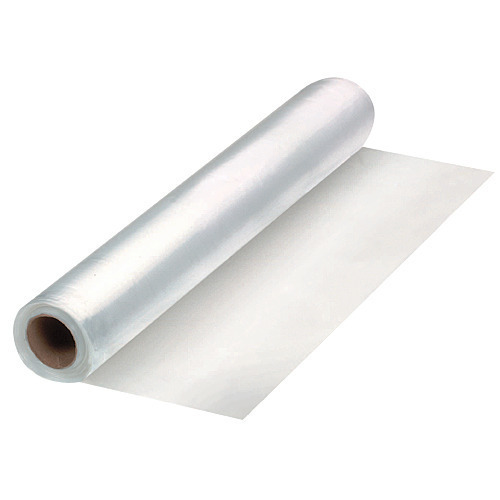
Film
Polypropylene
- Properties: it is tougher than polyethylene but more expensive. It is used, for example, to manufacture objects that need to resist high temperatures and are going to be in contact with food.
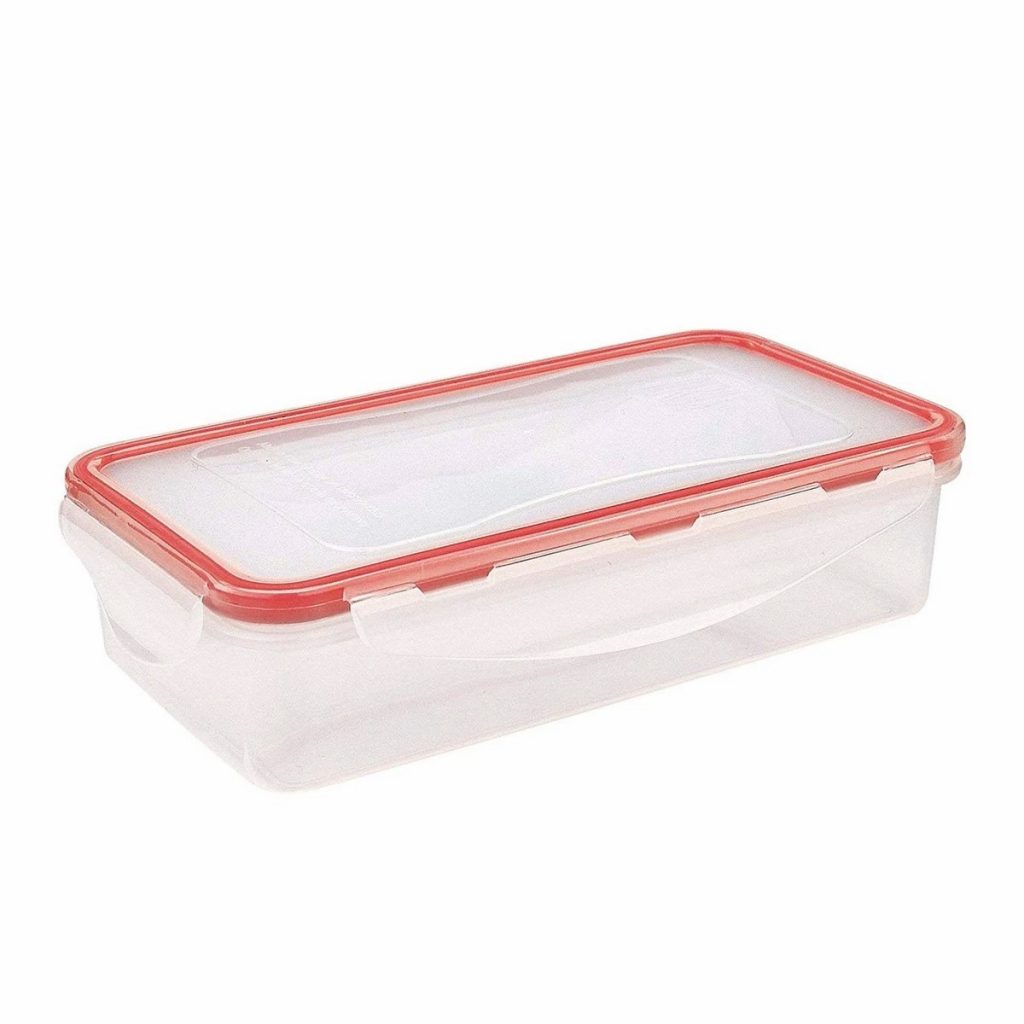
- Uses: tupperware and other containers, bottle caps, adhesive tape, disposable cups…
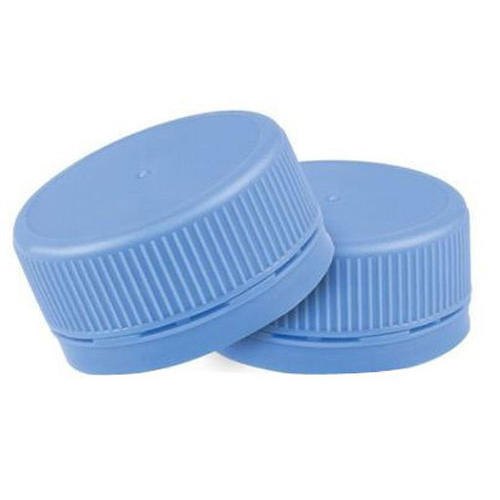
Bottle caps 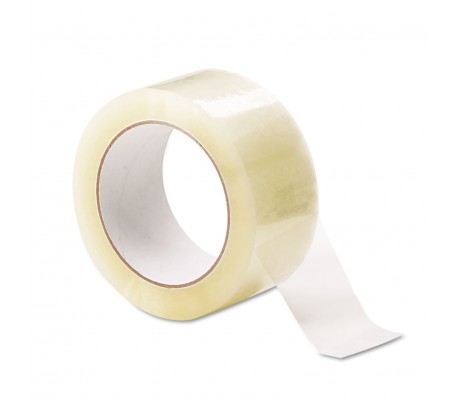
Adhesive tape 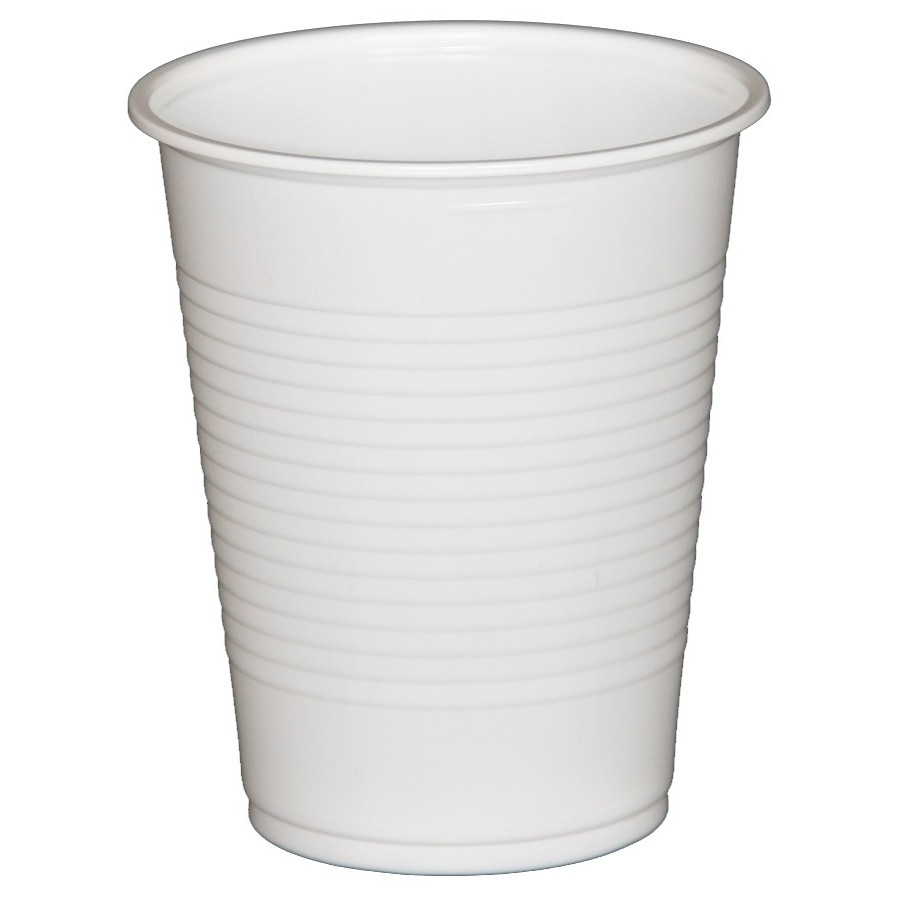
Disposable cups
PVC
- Properties: it is the toughest of all the thermoplastics and a very good thermal insulator. Its main problem is that it is seldom recycled because of its toxic components.
- Uses: plumbing elements (pipes and others), windows, electrical tape…
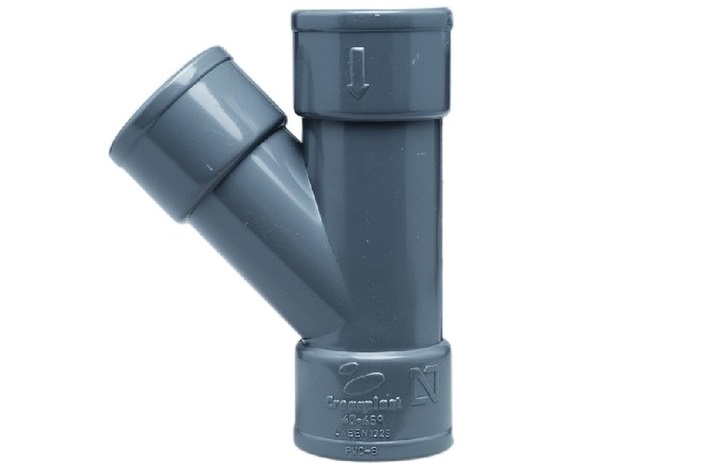
(Plastic pipes are made of PVC)
Polystyrene
- Properties: it is available as solid plastic (disposable tableware) and in the form of foam (trays). It is cheap and easy to mould.
- Uses: disposable tableware (forks, knives, spoons, plates…), packaging protectors, food trays, eggs containers, yogur containers…
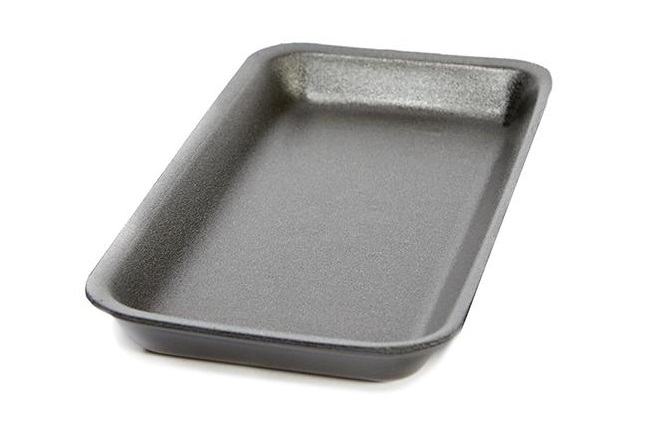
(Food trays are made of polystyrene)
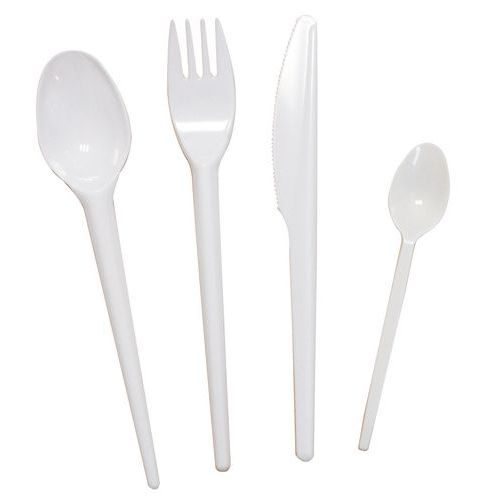
Disposable tableware 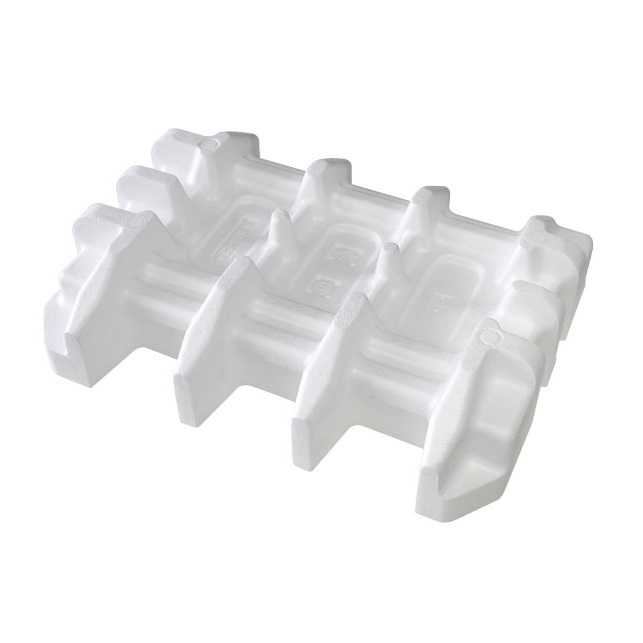
Packaging 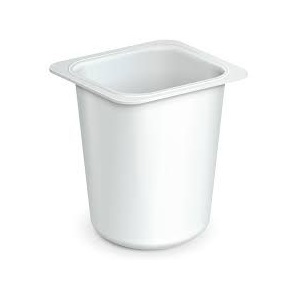
Yogur container
b) Thermosets
Are plastics that can not be recycled because they decompose when they are heated above a certain temperature. They are more resistant than thermoplastics
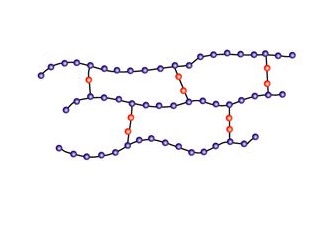
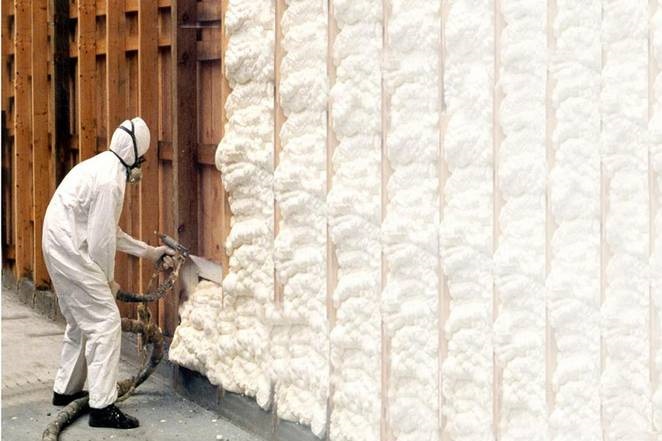
Polyurethane
- Properties: very good thermal insulator and soft.
- Uses: heat insulation, matresses, chairs, sofas…
Melamine
- Properties: it is very hard and resistant to high temperatures.
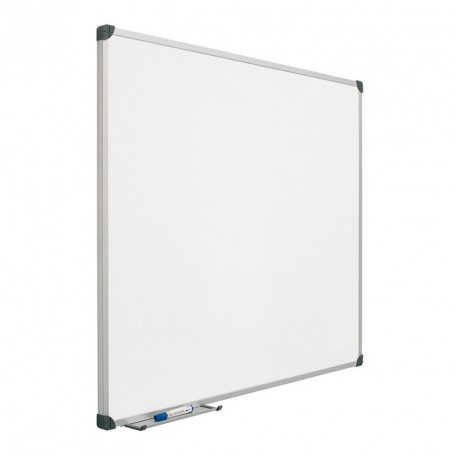
- Uses: kitchenware, whiteboards, surface coating (furnitures)…
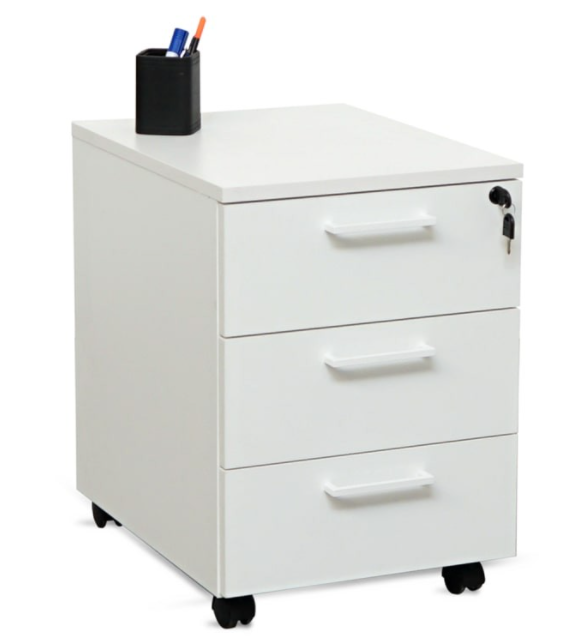
Furniture coating 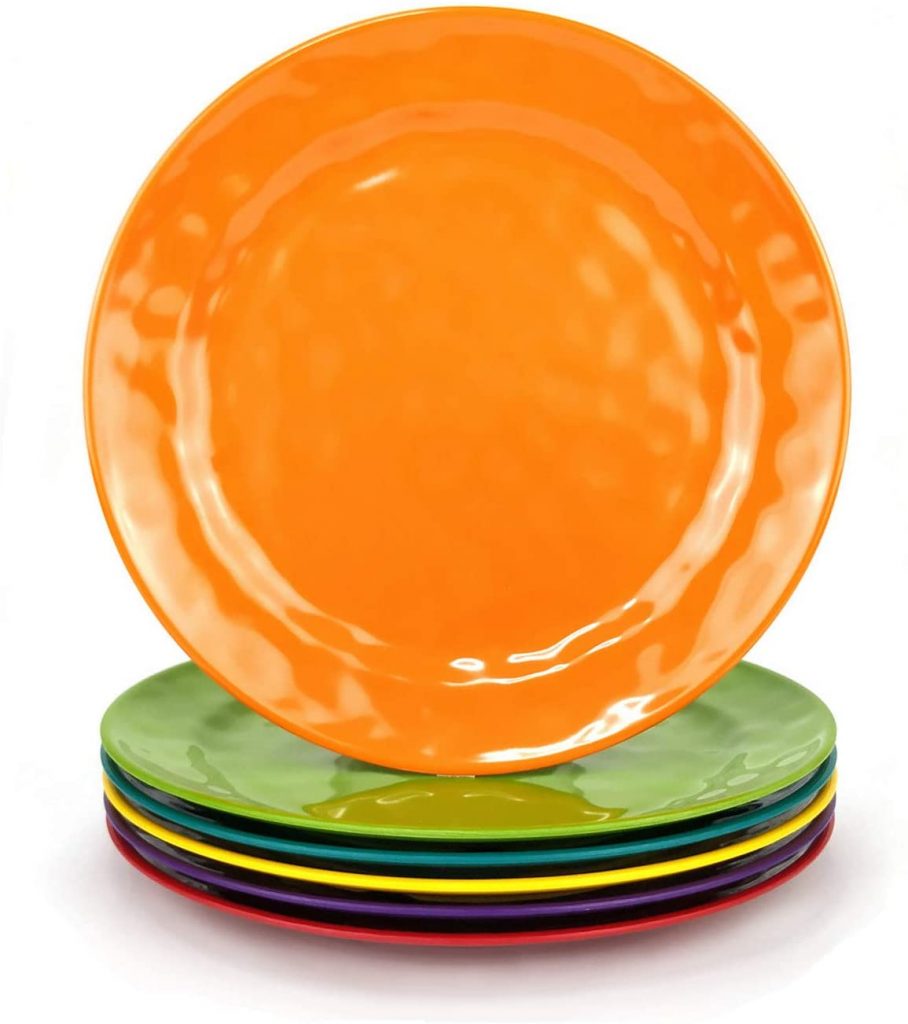
Kitchenware 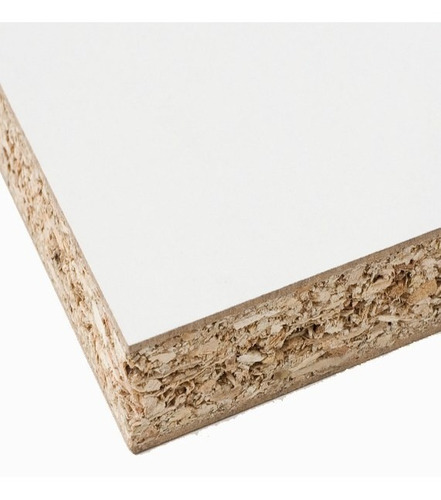
Chipboard
c) Elastomers
Are plastics with a high degree of elasticity because their chains behave like springs. Most of them are not recyclable but some of them are.
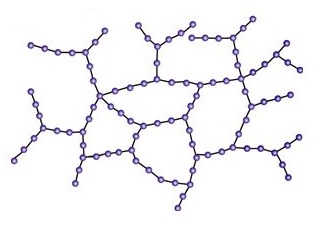
Rubber
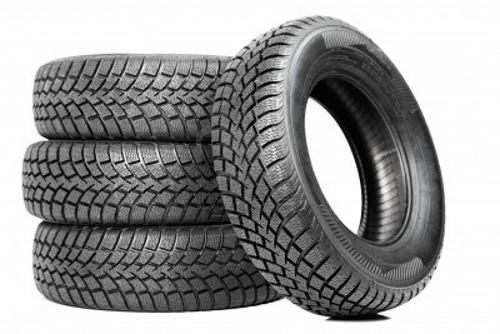
- Properties: elastic, strong and tough.
- Uses: tyres, erasers, gloves, balls, hoses…
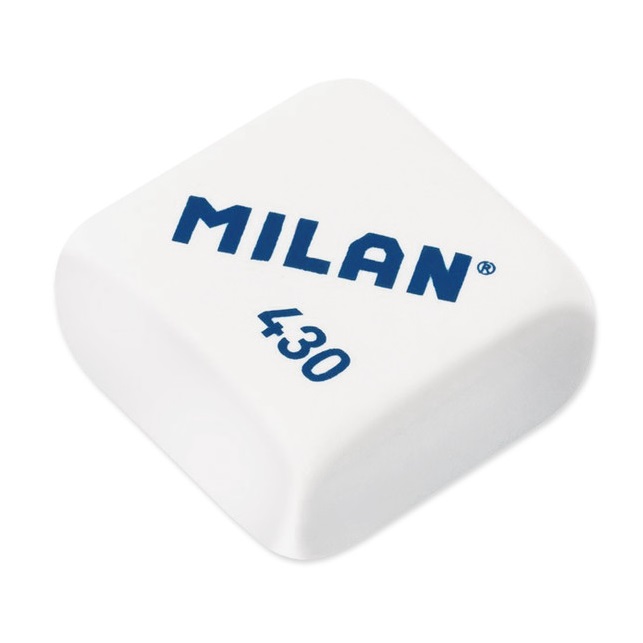
Erasers 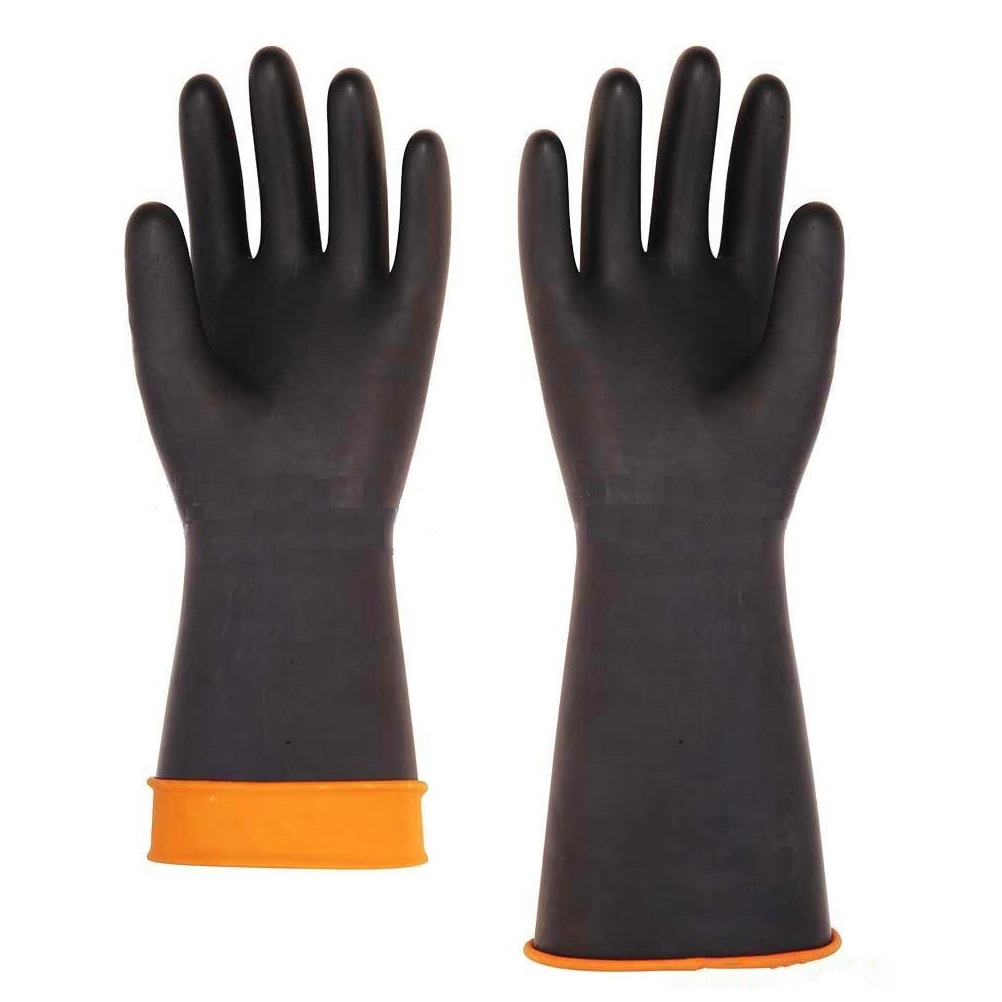
Gloves 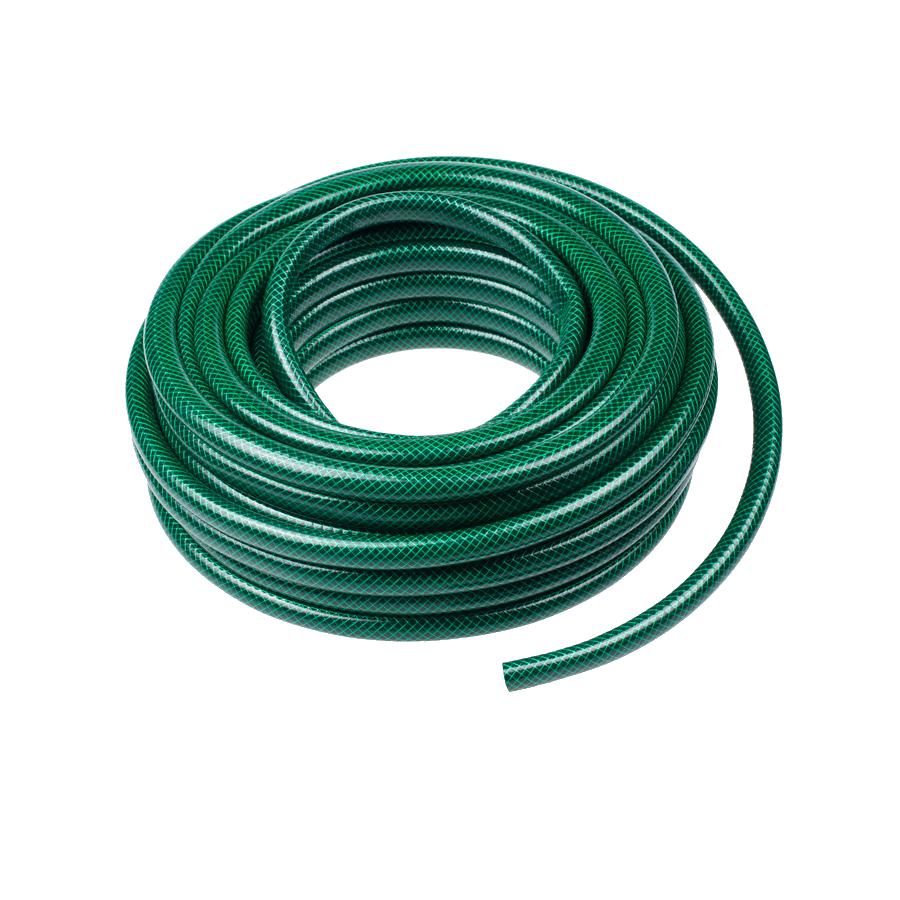
Hoses
Neoprene
- Properties: elastic and thermal insulator.
- Uses: wetsuits, inflatable boats…

Silicone
- Properties: elastic and thermal insulator.
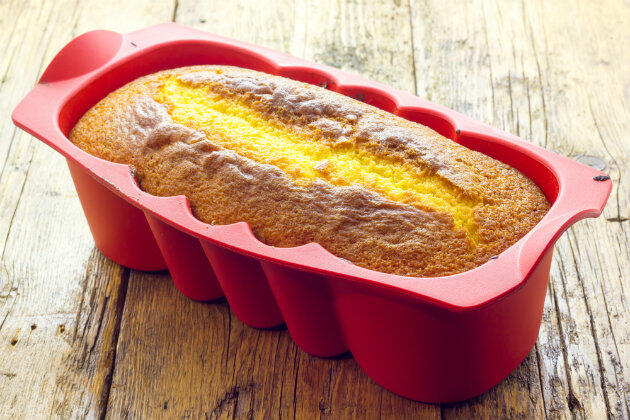
- Uses: thermal and water insulator (windows), cooking moulds, kitchenware…