Lesson 6:

The dangers of the Internet.
Either by cable or by waves (wirelessly), all devices that have access to the Internet are connected to each other. This interconnection allows us to communicate with friends and relatives, but it can also allow other people to access our information without our permission. Next we are going to see some of the risks we run when we use the internet, and how they can be avoided.
1) Everything you do and upload to the Internet is recorded. Before writing something on the Internet or uploading any type of file you should think about whether it could harm you or someone else, either now or in the future. Never upload an image or video of someone else without his or her consent. You may think that it is harmless but that person may have a different opinion.

Very important!
Whether it’s a comment written on a webpage, an image uploaded to a social network or a video sent by WhatsApp, once information is on the Internet, deleting it is practically impossible. Deleting a photo from a social network does not prevent someone from having downloaded it before and spreading it again. In addition, on the Internet there are records than contain all the information that has been uploaded at some point, so even if you think that you have deleted a certain file, a person with enough knowledge can recover that information.

2) Although we sometimes forget, we are responsible for everything we do and say on the Internet. Harassing or insulting a partner online, whether through WhatsApp or another social network is as serious as doing it in person. Treat people on the Internet as you would treat them in real life.
3) Always keep in mind that there are people who create false profiles and pose as other people in order to commit crimes. Do not talk on the internet with unknown people in the same way that you would not do it on the street and if you use a social network make sure to configure it so that only your friends can see your profile.
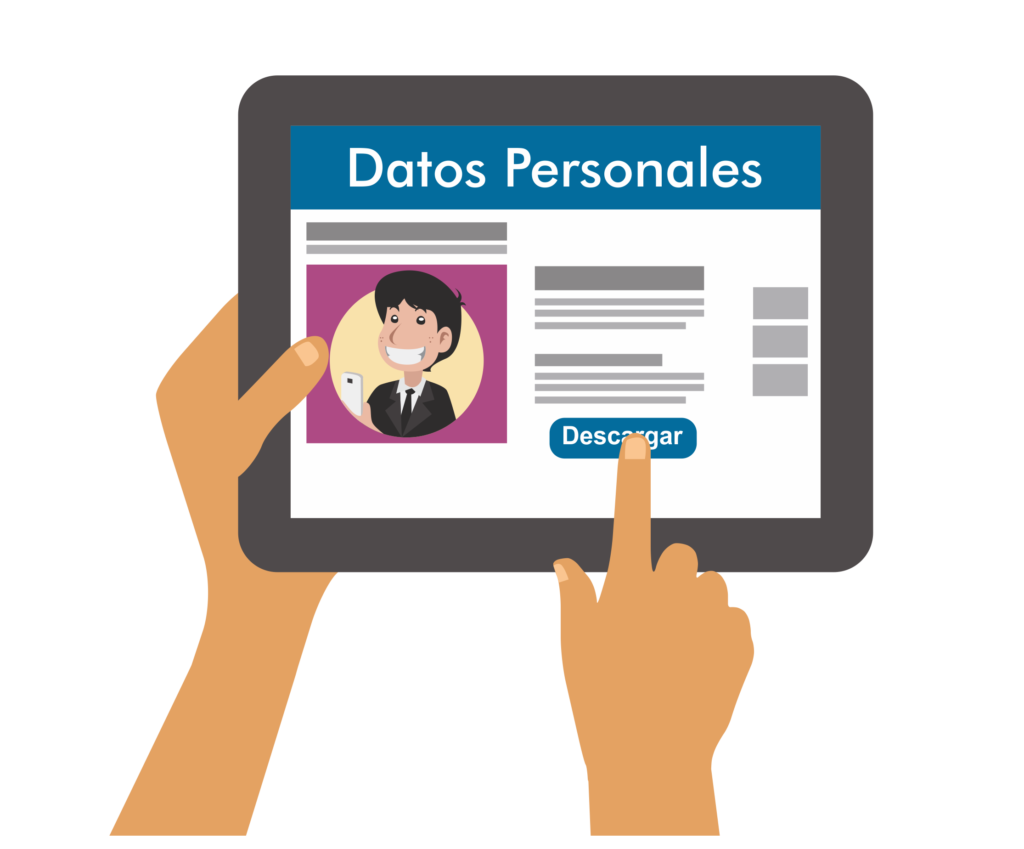
4) Never write or send personal data (names, home address, telephone number, age, email address…) through the Internet. They could reach unknown people and as we have explained before it is very difficult to delete the information once it is already spread over the Internet.
Very important!
In Spain, if you are under 14 years old, you have to ask your parents for permission to register on any website, especially if they ask you for personal information.
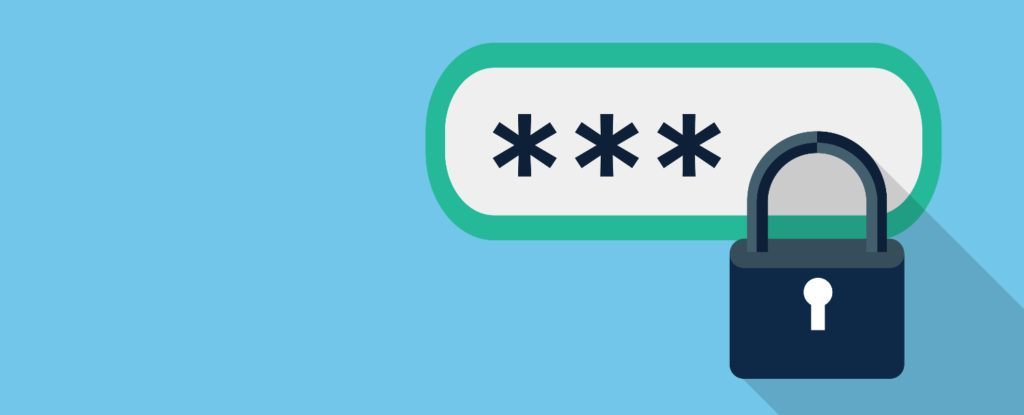
5) Use strong passwords when registering on any website. A strong password must contain uppercase and lowercase letters and some numbers. If you also add some other symbols like «!», «+» «=»… it will be even more secure. You should not use common words such as names, dates, colors …
Very important!
Do not use the same passwords in different websites, especially on those webpages that contain personal information. You can use mnemonic rules to remind them. If at any time you forget a password you should not worry, there is always a way to recover it. All webpages allow you to change your password by clicking in Reset password or Forgot password? If you click on it, you will receive an email in your personal account from which you can create a new password.
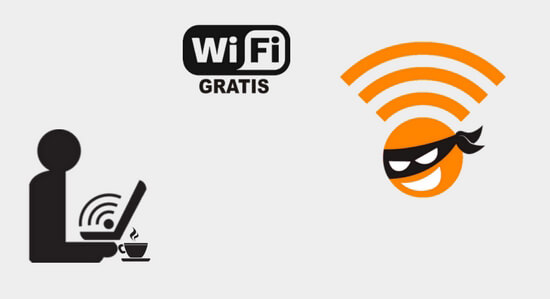
6) Avoid connecting to the internet in public WiFi networks, especially when they do not require any type of password. These kind of networks are quite unsafe since any person connected to that same network could access your devices without you even noticing. It is very common for information theft to occur in this type of network.
7) Never reply to messages or emails from unknown people. If at any time you are pressured or blackmailed to do something that you do not want to do, notify your parents and if necessary, report it to the police.

8) Turn your webcam off except in videoconferences with family or friends. When you are not using it, you should cover it with a sticker.
9) Do not click on links that advertise offers or gifts. That kind of link can cause you to download a virus that would damage your device. Think that someone who does not know you is not going to give you something for free. Also, do not download files from unknown pages.

10) And most importantly! If at any time you have doubts about what you should do on the Internet or you are worried about something, tell your parents or a trusted adult.